
Mail Carrier Felt Pressured to Perform CPR on Unconscious Woman in Winnipeg
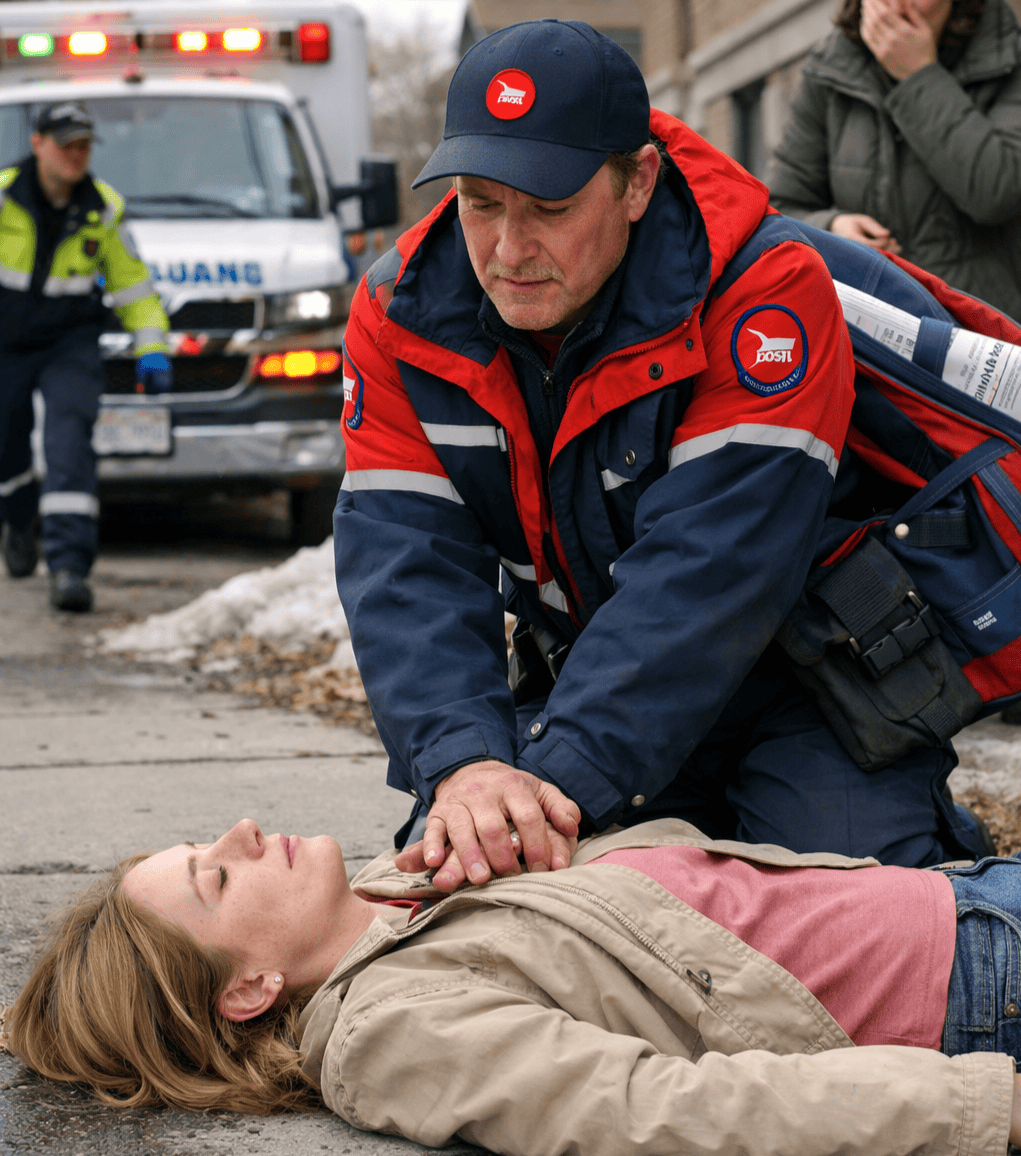
A Winnipeg mail carrier says he felt pressured to perform CPR on an unconscious woman despite serious safety concerns, after receiving instructions from a 911 dispatcher. According to the City of Winnipeg, the emergency operator was following established emergency medical protocols.
The incident, first reported by CBC News, has raised important questions about bystander safety, opioid exposure risks, and the realities faced by everyday workers during medical emergencies. You can read the original CBC News report here:
👉 Mail Carrier Felt Pressured to Perform CPR on Unconscious Woman in Winnipeg
Incident Raises Safety Concerns for Bystanders
The situation occurred when Corey Gallagher, a Canada Post mail carrier, was delivering mail to an apartment building in Winnipeg. While inside the lobby, Gallagher discovered a woman lying unconscious on the floor and immediately called 911.
During the call, he was transferred to emergency medical personnel and instructed to begin cardiopulmonary resuscitation (CPR). Gallagher hesitated after noticing white powder on the woman’s shirt and feared it could be fentanyl, raising concerns about a possible drug overdose and his own personal safety.
Despite explaining these concerns to the dispatcher, Gallagher said he still felt pressured to provide CPR.
City Says Dispatcher Followed Protocol
After reviewing the 911 call, the Winnipeg Fire Paramedic Service determined that the dispatcher handled the situation appropriately. City officials stated that the call-taker asked questions related to scene safety and whether Gallagher had access to personal protective equipment.
The City of Winnipeg has not released information on whether the woman survived. CBC News requested the 911 call recording but was informed that recordings are only released for official investigations or by court order.
Canada Post and Union Response
Canada Post confirmed that employees are expected to contact first responders if they encounter someone in distress while on duty. While the organization has established procedures for handling suspicious items such as unknown powders, Gallagher’s situation was unusual because it involved both a medical emergency and a potential hazardous substance.
Dave Lambert, health and safety officer for the Canadian Union of Postal Workers in Winnipeg, said the union supports Gallagher’s decision to prioritize his safety. He also noted that workers are not currently trained to deal with opioid exposure and that discussions are ongoing regarding fentanyl risks, naloxone kits, and improved training.
Why CPR and First Aid Training Matter
Medical emergencies can be overwhelming, especially for untrained bystanders. Cardiopulmonary resuscitation (CPR) is a critical life-saving skill, but proper training helps individuals respond confidently while minimizing risk.
Experts emphasize that when mouth-to-mouth contact is a concern, hands-only CPR using chest compressions is still highly effective. Access to CPR barrier devices and basic first aid supplies can further protect rescuers.
For those who want to be better prepared for emergencies like this, enrolling in certified CPR and AED training can make a real difference. Winnipeg residents can explore available options through Winnipeg First Aid’s CPR and AED training courses.
Learn More About CPR and First Aid
Additional trusted resources include:
Healthline – CPR and First Aid Guide
https://www.healthline.com/health/first-aid/cprWikipedia – Cardiopulmonary Resuscitation
https://en.wikipedia.org/wiki/Cardiopulmonary_resuscitationWebMD – CPR Treatment Overview
https://www.webmd.com/first-aid/cardiopulmonary-resuscitation-cpr-treatment
About The Author
Mark Kascha
Certified First Aid Instructor Trainer with 30+ years of real-world experience, including lifeguarding, workplace emergency response, and first aid program development across Canada. Has worked with WorkSafeBC, WSIB, and Manitoba Health.
👉 [View full credentials]🔗 View LinkedIn Profile
Last reviewed: March 2026
Serving Winnipeg and south Manitoba with the cheapest priced, highest quality first aid training, CPR and food safety courses since 2012 with a commitment to providing the best classes to Canadians.
