When someone experiences sudden cardiac arrest, the first few minutes are critical. Immediate action by nearby bystanders can significantly improve survival chances before emergency responders arrive. This is why two Sudbury physicians are working to make CPR knowledge more accessible to everyday people.
Dr. Sarah McIsaac and Dr. Rob Ohle are the leaders behind Northern City of Heroes, an initiative created to encourage northerners to learn the basics of bystander CPR. Their goal is to increase confidence, reduce hesitation, and ultimately save lives.
The initiative and its impact on the Sudbury community were highlighted in a CBC News report detailing how these doctors are helping build a more prepared public. You can read the original coverage here:
👉 Original CBC article: Importance of Bystander CPR
Why Bystander CPR Is So Important
According to Ohle, fear is the most common reason people hesitate to perform CPR. Many worry about causing harm, performing the technique incorrectly, or injuring someone they care about.
These concerns are understandable—but delaying action can be deadly. Survival rates drop by up to 10 percent for every minute that passes without CPR during cardiac arrest. Chest compressions help maintain blood flow to the brain and vital organs until professional help arrives.
Breaking Down Barriers Through Training
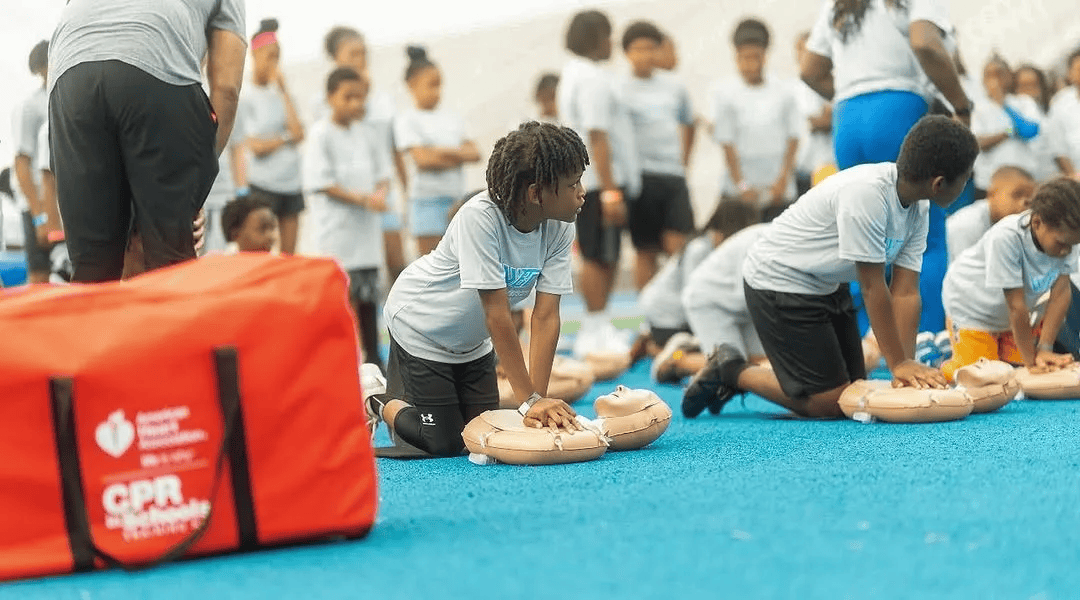
To help overcome fear and uncertainty, McIsaac and Ohle offered free CPR demonstrations and hands-on practice sessions at Science North. Participants practiced on medical-grade simulation mannequins—the same equipment used by healthcare professionals—allowing them to gain realistic, practical experience.
Hands-on training plays a key role in turning uncertainty into confidence, helping people feel prepared to act in real emergencies.
Remembering the Right CPR Rhythm
A common question during CPR training is how fast chest compressions should be delivered. Ohle suggests remembering songs with a tempo of around 120 beats per minute. Popular examples include Stayin’ Alive or the children’s song “Baby Shark,” both of which help maintain the correct rhythm under pressure.
Learn CPR and Be Ready to Help
At the heart of Northern City of Heroes is a simple message: it’s better to help than to do nothing. The more people who feel comfortable performing CPR, the greater the chance of Saving lives in the community.
If you’re looking to build these essential skills yourself, consider enrolling in professional CPR and AED training courses through Winnipeg First Aid. Their hands-on programs help prepare individuals to respond confidently during real-life emergencies.
Learn More About CPR
For additional information on CPR and emergency response, explore these trusted resources:
About The Author

Mark Kascha
Certified First Aid Instructor Trainer with 30+ years of real-world experience, including lifeguarding, workplace emergency response, and first aid program development across Canada. Has worked with WorkSafeBC, WSIB, and Manitoba Health.
👉 [View full credentials]🔗 View LinkedIn Profile
Last reviewed: March 2026