
Thunder Bay Paramedics Volunteer to Teach CPR and Save Lives
Paramedics in Thunder Bay are stepping beyond emergency response and into community education to address a serious public health concern: the city’s low rate of bystander CPR.
According to a report by CBC News, the Superior North Association of Professional Paramedics launched a volunteer-driven initiative aimed at increasing CPR awareness and encouraging more people to act quickly when someone experiences cardiac arrest. Their goal is simple but critical—save lives by empowering everyday people with basic CPR skills.
You can read the original CBC article here:
👉 Thunder Bay Paramedics volunteering to teach classes in bid to improve low CPR rates, save lives
A Concerning Lack of Bystander CPR
After reviewing local statistics, the paramedics’ association identified a troubling trend. Fewer than 25 percent of cardiac arrest victims in Thunder Bay receive CPR from a bystander before paramedics arrive.
Association president Ryan Ross explained that while most cardiac arrest calls come from bystanders or family members, CPR is usually started only after emergency responders arrive. This delay puts paramedics at a significant disadvantage and lowers a patient’s chance of survival.
Every Minute Without CPR Matters
When the heart stops, blood flow to the brain also stops. Without CPR, irreversible brain damage can begin within as little as five minutes.
Ross described the frustration paramedics face when they arrive on scene after several minutes with no CPR already performed, calling it an “uphill battle.” Even with advanced medical care, patient outcomes are significantly worse when early CPR is delayed.
Immediate chest compressions help circulate oxygenated blood to vital organs, buying critical time until professional help arrives. In many cases, those first few minutes make all the difference.
Free Hands-Only CPR Classes for the Public
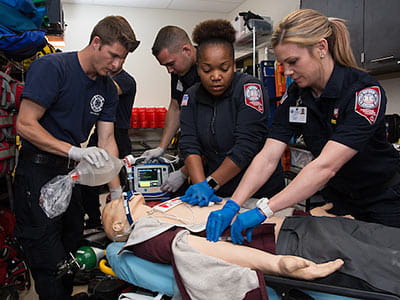
To reduce hesitation and increase confidence, the paramedics’ association began offering free, simplified CPR classes taught by volunteer paramedics. These one-hour sessions focus on hands-only CPR, which involves continuous chest compressions without mouth-to-mouth breathing.
Hands-only CPR is effective for adult cardiac arrest and easier to learn, making it ideal for community members who may be unsure or hesitant to intervene during an emergency.
While these classes do not provide certification, they are designed to introduce life-saving skills to people who may not otherwise seek formal training.
Why Formal CPR Training Still Matters
Introductory sessions are a great first step, but full CPR Training provides deeper knowledge, hands-on practice, and greater confidence in real emergencies. Certified courses also include AED training and prepare participants to respond to different cardiac arrest scenarios.
If you’re looking to build confidence and be ready to act when seconds matter, enrolling in professional CPR and AED training courses is strongly recommended.
Learn CPR. Be Ready to Help.
Cardiac emergencies can happen anywhere—at home, at work, or in public spaces. When they do, bystanders play a vital role before paramedics arrive.
Learning CPR empowers you to take action when it matters most. Whether through a community initiative or a certified course, gaining these skills can help save lives in your community.
For more information on CPR and first aid basics, visit these trusted resources:
About The Author
Mark Kascha
Certified First Aid Instructor Trainer with 30+ years of real-world experience, including lifeguarding, workplace emergency response, and first aid program development across Canada. Has worked with WorkSafeBC, WSIB, and Manitoba Health.
👉 [View full credentials]🔗 View LinkedIn Profile
Last reviewed: March 2026
Serving Winnipeg and south Manitoba with the cheapest priced, highest quality first aid training, CPR and food safety courses since 2012 with a commitment to providing the best classes to Canadians.
