
Hiker Dies After Fall at Lynn Headwaters Regional Park
A 28-year-old man has died after suffering cardiac arrest while hiking near Norvan Falls in Lynn Headwaters Regional Park. The incident occurred on Sunday, May 8, 2016, and is now under investigation by the BC Coroners Service.
According to North Vancouver RCMP, the man was hiking with a partner when he slipped while crossing a creek, fell, and struck his head on a rock. The impact caused him to go into sudden cardiac arrest.
The details of the incident were first reported by CBC News, which covered the rescue and subsequent investigation.
Remote Location Complicates Emergency Response
Emergency crews from North Shore Rescue received a call for help at approximately 6:00 p.m. The remote terrain and lack of cell phone reception made the rescue especially challenging.
The victim’s hiking partner ran nearly seven kilometres to get help, as there was no mobile service in the area. A helicopter was dispatched to locate the injured hiker near Norvan Falls.
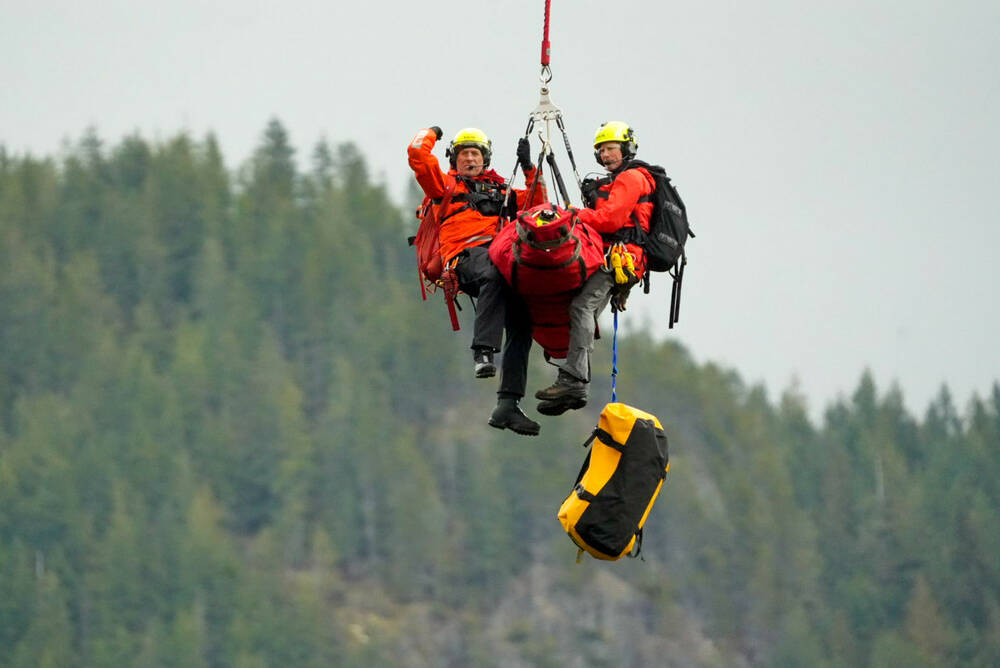
Upon arrival, responders immediately began CPR and attached an automated CPR device in an effort to maintain circulation. Due to the steep and rugged landscape, the man was extracted using a long-line helicopter rescue and airlifted from the park in critical condition.
Despite these extensive rescue efforts, the BC Coroners Service later confirmed that the man succumbed to his injuries.
For full reporting on this incident, you can read the original article from CBC News here:
👉 Hiker died after fall at Lynn Headwaters Regional Park, coroner investigating
“He Got the Best Care He Could Have”
North Shore Rescue team leader Mike Danks praised the response by both rescuers and the hiking partner.
“He got the best care he could have,” said Danks. “I’m really proud of how the team responded.”
This incident highlights the challenges of medical emergencies in wilderness environments, where emergency services may be delayed and immediate bystander action is often critical.
Why CPR Training Matters—On the Trail and Beyond
Sudden cardiac arrest can occur without warning and requires immediate intervention to improve survival chances. In outdoor and remote settings, knowing CPR and how to use an AED can help sustain life until advanced care arrives.
CPR training is not limited to healthcare workers—it is a vital skill for hikers, outdoor enthusiasts, workplaces, and the general public. Being prepared can make a meaningful difference in an emergency.
Learn More: Be Prepared to Help in an Emergency
First aid and CPR training equips individuals with the confidence and skills needed to respond effectively during emergencies—whether at home, work, or outdoors.
Helpful resources:
About The Author
Mark Kascha
Certified First Aid Instructor Trainer with 30+ years of real-world experience, including lifeguarding, workplace emergency response, and first aid program development across Canada. Has worked with WorkSafeBC, WSIB, and Manitoba Health.
👉 [View full credentials]🔗 View LinkedIn Profile
Last reviewed: March 2026
Serving Winnipeg and south Manitoba with the cheapest priced, highest quality first aid training, CPR and food safety courses since 2012 with a commitment to providing the best classes to Canadians.
