
Cape Breton Man Dies Following Suspected Drowning at Port Hood Beach
A 59-year-old man from Sydney, Nova Scotia, has died following a suspected drowning incident at Port Hood Beach in Cape Breton. Inverness County RCMP reported that emergency services were called to the beach shortly before 2:00 p.m. on Saturday.
What Happened at Port Hood Beach
According to Paul D’Eon, Director of the Nova Scotia Lifeguard Service, the man had been swimming with his wife when lifeguards noticed the couple struggling in the water. While wave conditions appeared mild, D’Eon explained that even small waves can become dangerous, particularly for weaker or fatigued swimmers.
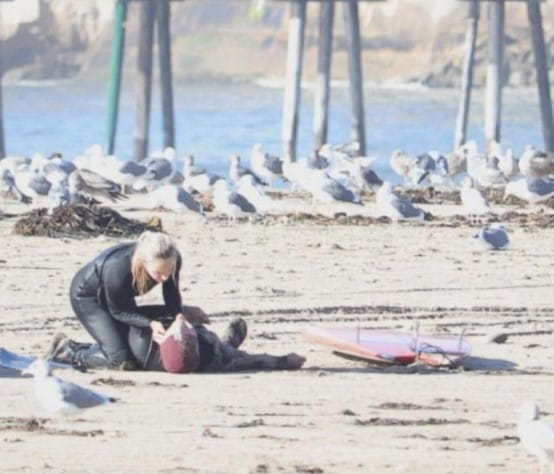
One lifeguard entered the water to assist the man. Initially, he was kicking and attempting to swim, but as he was brought closer to shore, he stopped kicking and began showing signs of medical distress. He was speaking at first but soon became confused and started gasping for air.
Lifeguards believe the man experienced a medical emergency before reaching shore. Once on land, emergency care was immediately provided, including oxygen, the use of a defibrillator, and CPR. Despite these efforts, police confirmed that the man was pronounced dead at the scene. Another lifeguard was able to safely bring the man’s 64-year-old wife to shore.
For full details about this incident and the additional rescues that occurred the same day, you can read the original CBC News report here:
👉 Cape Breton man dies in suspected drowning at Port Hood Beach
Additional Water Rescues at Inverness Beach
On the same day, lifeguards also rescued a mother and daughter who became caught in rough surf at nearby Inverness Beach. The pair had been swimming approximately 250 to 300 metres outside the supervised area when they were pulled into a strong current.
Two lifeguards swam out and successfully brought them back to shore. One swimmer and one rescuer required medical attention after swallowing water, highlighting how physically demanding water rescues can be—even for trained professionals.
Dangerous Conditions and Safety Warnings
Inverness Beach was closed the following day due to strong winds and waves. D’Eon explained that northwest winds can create hazardous conditions, including sandbars, rip currents, and unpredictable cross-currents. He advised beachgoers to exercise caution and avoid entering the water when conditions are rough.
Why CPR and AED Training Matters
This tragic incident is a reminder that water emergencies can escalate quickly and often involve sudden medical distress. Knowing how to recognize an emergency, perform CPR, and use an AED can be critical while waiting for emergency responders.
Learn More
Helpful resources on drowning response and CPR:
About The Author
Mark Kascha
Certified First Aid Instructor Trainer with 30+ years of real-world experience, including lifeguarding, workplace emergency response, and first aid program development across Canada. Has worked with WorkSafeBC, WSIB, and Manitoba Health.
👉 [View full credentials]🔗 View LinkedIn Profile
Last reviewed: March 2026
Serving Winnipeg and south Manitoba with the cheapest priced, highest quality first aid training, CPR and food safety courses since 2012 with a commitment to providing the best classes to Canadians.
