Understanding Water Emergencies and Drowning
 A water-related emergency can happen quickly and often without warning. Knowing what to do if someone is pulled from the water and not breathing or how to respond when someone shows signs of drowning can make a critical difference.
Drowning does not always involve dramatic splashing—it can be silent and rapid. In some cases, people may initially appear fine after leaving the water but develop breathing problems later. This is sometimes referred to as delayed complications after water inhalation, often described informally as “dry drowning.”
First Aid & Workplace Relevance in Winnipeg, Manitoba
In Winnipeg, Manitoba, water safety is especially important due to lakes, rivers, pools, and recreational areas across the province. From workplaces near water, to schools, camps, and public swimming areas, having proper training is essential.
CPR training in Winnipeg and first aid certification in Manitoba are valuable for:
- Construction and outdoor workers
- Lifeguards and recreation staff
- Teachers and childcare providers
- Parents and community members
These skills are commonly taught in emergency response training across Canada, helping people act quickly and confidently in real-life situations.
Scenario: Surfing Incident at Long Beach
Paramedics attempted to resuscitate a 27-year-old man following a surfing incident at Long Beach near Lovekin Rock on the west coast of Canada. According to Cpl. Patrick Jenkins of the Tofino RCMP, the man died after the incident, though the exact cause was not immediately confirmed.
A nearby resident, John de Vries, described the moment he realized something was wrong. While walking along the beach with his son, he noticed a group gathered near the shoreline. At first, he assumed it was a group of beginner surfers, but quickly recognized the seriousness of the situation when he saw someone receiving CPR and chest compressions.
Emergency responders arrived and attempted resuscitation efforts, highlighting how critical immediate bystander action can be in water-related emergencies.
While this incident occurred on the west coast, similar risks exist across Canada—including in Manitoba lakes and rivers, where changing water conditions, cold temperatures, and limited supervision can increase danger.
Symptoms and Warning Signs After a Water Incident
After a water emergency, symptoms may appear immediately or develop over time. Watch for:
- Difficulty breathing or shortness of breath
- Persistent coughing or wheezing
- Chest discomfort
- Fatigue or unusual drowsiness
- Confusion or behaviour changes
In some cases, symptoms may develop hours later due to water entering the lungs. This delayed response is sometimes referred to as “dry drowning”, though medically it falls under complications of water inhalation.
Causes and Risk Factors
Water-related emergencies can happen due to:
- Strong waves or currents
- Lack of swimming experience
- Fatigue while swimming or surfing
- Cold water shock
- Inadequate supervision
- Panic in the water
In Canada, environmental factors such as cold water in Manitoba lakes can increase the risk of rapid exhaustion and breathing difficulty.
First Aid Response: What to Do
Based on standard first aid training practices in Canada, the general response includes:
- Ensure scene safety before approaching
- Call emergency services immediately
- Check breathing and responsiveness
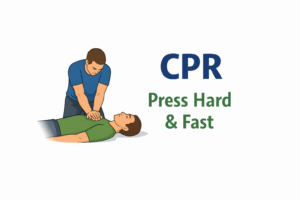
- If not breathing, begin CPR (chest compressions)
- Use an AED (Automated External Defibrillator) if available
- Monitor breathing continuously
Even if the person regains consciousness, they should still be assessed by medical professionals due to possible delayed breathing complications.
Prevention and Workplace Safety Considerations
Preventing water-related incidents is key, especially in Manitoba workplaces and recreational settings:
- Ensure staff are trained in CPR and AED use in Winnipeg
- Supervise all water activities closely
- Use proper safety gear (life jackets, wetsuits)
- Educate workers and families about water risks
- Establish emergency response plans for water-related environments
Public awareness and training play a major role in reducing fatalities.
Frequently Asked Questions
What should you do if someone stops breathing after being pulled from water?
If someone is not breathing, call emergency services and begin CPR immediately. Chest compressions help circulate oxygen until help arrives. This response is commonly taught in certified CPR courses across Canada and is critical in water-related emergencies.
Can symptoms appear after someone leaves the water?
Yes, breathing problems can develop after a delay if water has entered the lungs. This is why monitoring is important even if the person initially seems fine. Any changes in breathing or behaviour should be taken seriously.
What is “dry drowning”?
“Dry drowning” is a non-medical term often used to describe delayed breathing issues after water inhalation. While the term can be misleading, it highlights the importance of watching for symptoms after a water incident.
Who should take CPR training in Winnipeg?
Anyone can benefit, including workers, parents, teachers, and community members. CPR training in Winnipeg helps individuals respond confidently to emergencies in workplaces, schools, and public settings.
Why is CPR important in drowning cases?
CPR helps restore circulation and oxygen flow when breathing has stopped. Immediate action by bystanders can improve outcomes while waiting for paramedics to arrive.
Educational Note
This article provides general awareness based on commonly taught first aid practices in Canada. Water-related emergencies require prompt recognition and response, and training helps individuals act effectively in real-world situations.
About The Author

Mark Kascha
Certified First Aid Instructor Trainer with 30+ years of real-world experience, including lifeguarding, workplace emergency response, and first aid program development across Canada. Has worked with WorkSafeBC, WSIB, and Manitoba Health.
👉 [View full credentials]🔗 View LinkedIn Profile
Last reviewed: March 2026