Understanding Drowning and Emergency Response
Drowning can happen quickly and quietly, often without warning. Knowing what to do if someone is struggling in the water or how to respond when a person is pulled from a pool unresponsive is critical.
In Winnipeg, Manitoba, and across Canada, fast recognition, safe rescue techniques, and CPR can help improve survival outcomes in water-related emergencies.
First Aid & Workplace Relevance in Canada
Water incidents can occur in pools, lakes, and recreational facilities across Winnipeg neighbourhoods such as St. Vital, Transcona, and Downtown Winnipeg.
Training is important for:
- Lifeguards and recreation staff
- Parents and caregivers
- Teachers and school staff
- Community members
Programs such as CPR training Winnipeg, first aid certification Manitoba, and emergency response training Canada prepare individuals to respond safely.
Real-Life Scenario: Incident at Mission Leisure Centre
 At Mission Leisure Centre, a young international student experienced a near-drowning incident in a pool.
Lifeguards quickly removed the individual from the water and began CPR before paramedics arrived. He was transported to hospital for further care.
Despite these efforts, the young man passed away several weeks later. The District of Mission and local school officials extended their condolences to the family and offered support to those affected.
This tragic event highlights how serious drowning incidents can be—even when rescue and care are provided.
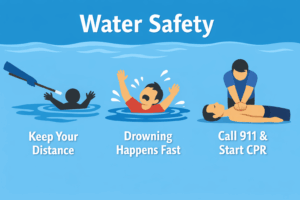
How Quickly Drowning Can Occur
Drowning can happen faster than many people expect:
- It can occur in seconds to minutes
- Individuals may not be able to call for help
- Weak swimmers, tired individuals, or injured persons are at higher risk
- Children and non-swimmers are especially vulnerable
Recognizing distress early is key.
The Importance of Safe Rescue: Keep Your Distance
One of the most important safety principles is:
Do not put yourself at risk when trying to rescue someone.
A person in distress may:
- Panic and grab onto a rescuer
- Pull a rescuer underwater
- Be unable to follow instructions
Safer Rescue Approach (Reach or Throw, Don’t Go)
- Reach: Use a pole, towel, or object from a safe position
- Throw: Use a flotation device or object that floats
- Avoid entering the water unless trained to do so
This approach helps prevent multiple victims.
Symptoms and Warning Signs of Drowning
Watch for:
- Head low in the water, mouth at water level
- Gasping or struggling to breathe
- Weak or ineffective movements
- Unresponsiveness after being removed from water
Immediate action is required.
First Aid Response: What to Do
Based on standard first aid training practices in Canada:
- Ensure scene safety
- Call 911 immediately
- Remove the person from water if safe to do so
- Check responsiveness and breathing
- Begin CPR if unresponsive and not breathing normally
- Continue until help arrives
Prevention and Water Safety Considerations
In Winnipeg and across Manitoba, water safety includes:
- Swimming in supervised areas with lifeguards
- Never swimming alone
- Supervising children closely
- Using flotation devices when appropriate
- Avoiding risky behavior in water
Preparedness and awareness help reduce risk.
Frequently Asked Questions
How quickly can someone drown?
Drowning can occur in just minutes, especially for weak swimmers or those who are tired or injured.
Should you enter the water to rescue someone?
Only if trained. It is safer to use objects to reach or throw to the person.
What should you do after someone is pulled from the water?
Call 911, check breathing, and begin CPR if needed.
Why is distance important in a rescue?
A panicking person can unintentionally pull a rescuer underwater, creating additional danger.
Can drowning happen even in supervised pools?
Yes, which is why constant vigilance and training are important.
Educational Note
This article is for general awareness and reflects techniques commonly taught in certified first aid and CPR training across Canada. Safe rescue practices and early response are critical in water emergencies.
About The Author

Mark Kascha
Certified First Aid Instructor Trainer with 30+ years of real-world experience, including lifeguarding, workplace emergency response, and first aid program development across Canada. Has worked with WorkSafeBC, WSIB, and Manitoba Health.
👉 [View full credentials]🔗 View LinkedIn Profile
Last reviewed: March 2026