Understanding Traumatic Emergencies and Crush Injuries
A traumatic emergency—such as being struck by a falling object—can lead to life-threatening conditions within seconds. Knowing what to do if someone is seriously injured and unresponsive or how to respond when CPR may be needed after trauma is critical.
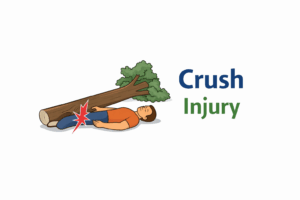
In incidents involving heavy objects like trees, there is also a risk of crush injuries, where pressure on the body can damage muscles, organs, and blood flow. These injuries may not always be immediately visible but can become serious quickly.
First Aid & Workplace Relevance in Winnipeg, Manitoba
In Winnipeg, Manitoba, similar risks exist in outdoor work environments, construction sites, parks, and school field trips. From forestry and landscaping crews to teachers supervising outdoor activities, understanding emergency response is essential.
First aid certification in Manitoba and CPR training in Winnipeg are important for:
- Teachers and school staff
- Construction and outdoor workers
- Camp leaders and recreation supervisors
- Parents and community volunteers
These skills are commonly taught in emergency response training across Canada, helping individuals respond effectively before paramedics arrive.
Scenario: Falling Tree Incident at Camp Barnard
 A tragic incident occurred at Camp Barnard near Sooke, British Columbia, during a school field trip involving students believed to be from Lansdowne Middle School in Victoria.
During the outing, strong winds—with gusts reaching up to 80 km/h—moved through the area. The terrain was described as rough and forested, which may have contributed to the danger.
At some point during the trip, a tree fell, striking two teenage boys. One of the students sustained critical injuries. Bystanders and responders at the scene began CPR (cardiopulmonary resuscitation) in an effort to help him.
Emergency services, including Otter Point Fire Rescue, BC Ambulance, and RCMP, were called. Due to the remote location, responders required time to reach the injured students, with others guiding them through the terrain.
Despite resuscitation efforts, the critically injured teen later succumbed to his injuries. The second student was transported to a healthcare facility with non-life-threatening injuries.
While this occurred in British Columbia, similar outdoor hazards exist in Manitoba parks, camps, and rural areas, where falling trees, unstable terrain, and weather conditions can pose risks.
Symptoms and Warning Signs After a Crush or Traumatic Injury
Following a heavy impact or crush-related event, watch for:
- Unresponsiveness or difficulty breathing
- Severe pain or inability to move
- Swelling or visible injury to limbs or torso
- Pale or clammy skin
- Confusion or altered awareness
Crush injuries can also lead to internal complications, even if the person appears stable at first. Monitoring is important until professional help arrives.
Causes and Risk Factors
Traumatic incidents like this may result from:
- High winds or unstable weather conditions
- Weak or damaged trees
- Outdoor environments with uneven or forested terrain
- Limited access to emergency services
- Lack of hazard awareness during outdoor activities
In Manitoba, strong winds and storms can create similar hazards in wooded areas, especially during school trips or work projects.
First Aid Response: What to Do
Based on standard first aid training practices in Canada, general response steps include:
- Ensure the scene is safe (watch for falling debris or unstable surroundings)
- Call emergency services immediately
- Check responsiveness and breathing
- If the person is not breathing, begin CPR (chest compressions)
- Avoid moving the injured person unless necessary for safety
- Stay with the person and monitor until help arrives
If a crush injury is suspected, it is important to avoid sudden movement and allow trained responders to manage the situation.
Prevention and Workplace Safety Considerations
Preventing traumatic injuries is especially important in Canadian outdoor environments, including those in Winnipeg and across Manitoba:
- Monitor weather conditions before outdoor activities
- Avoid wooded areas during high winds
- Train staff and supervisors in CPR and first aid in Winnipeg
- Conduct hazard assessments for camps and job sites
- Ensure clear emergency access routes
Preparedness and awareness can significantly reduce risks in outdoor settings.
Frequently Asked Questions
What should you do if someone is unresponsive after a traumatic accident?
Call emergency services immediately and check for breathing. If the person is not breathing, begin CPR. Avoid moving them unless necessary for safety. This approach is commonly taught in certified first aid courses across Canada.
What is a crush injury?
A crush injury occurs when pressure is applied to part of the body, potentially damaging muscles, tissues, and blood flow. These injuries may not always be obvious right away but can become serious over time.
Why is CPR used in trauma situations?
CPR is used when a person is not breathing or has no detectable circulation. It helps maintain blood flow and oxygen delivery until emergency responders take over.
Who should take CPR training in Winnipeg?
Anyone involved in workplaces, schools, or community settings can benefit. Training helps people respond quickly in emergencies, including outdoor and remote incidents common in Manitoba.
Are outdoor field trips considered higher risk?
They can be, especially in areas with rough terrain or changing weather. Proper planning, supervision, and emergency training help reduce risks and improve response times.
Educational Note
This content is for general awareness and reflects commonly taught first aid practices in Canada. Traumatic emergencies require quick recognition, safe response, and coordination with trained emergency services.
About The Author

Mark Kascha
Certified First Aid Instructor Trainer with 30+ years of real-world experience, including lifeguarding, workplace emergency response, and first aid program development across Canada. Has worked with WorkSafeBC, WSIB, and Manitoba Health.
👉 [View full credentials]🔗 View LinkedIn Profile
Last reviewed: March 2026