Understanding Drowning Emergencies and Bystander Response
Drowning emergencies can happen quickly, especially in natural water environments. Knowing what to do if someone is struggling in water or how to respond when a person is pulled from water and not breathing can save a life.
In many cases, bystanders—often called Good Samaritans—are the first to act. Their willingness to help, along with basic CPR knowledge, can make a critical difference before emergency services arrive.
First Aid & Workplace Relevance in Winnipeg, Manitoba
In Winnipeg, Manitoba, rivers like the Red and Assiniboine, as well as lakes and recreation areas, present real water safety risks. Incidents can occur in places such as Downtown Winnipeg, St. Vital Park, or Transcona pools and beaches.
CPR training in Winnipeg and first aid certification in Manitoba are valuable for:
- Outdoor workers and park staff
- Teachers and school groups
- Parents and caregivers
- Boaters and recreational users
These skills are commonly taught in emergency response training across Canada, helping individuals respond safely and effectively.
Scenario: Tourists Rescue Man at Twin Falls
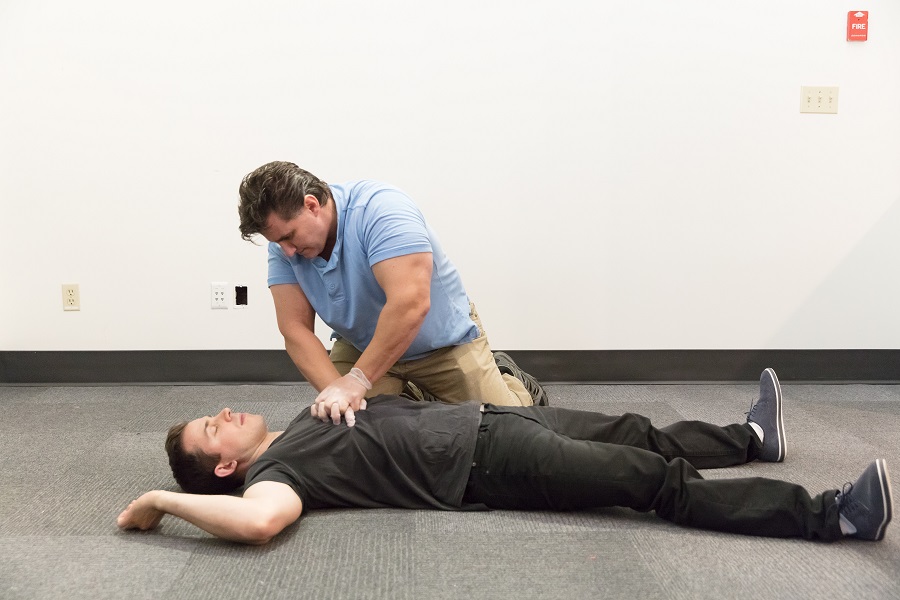
A group of bystanders helped save a man from drowning at Twin Falls in British Columbia, demonstrating the impact of quick action.
Brian Laverentz, a medical student from San Antonio, Texas, was visiting the Vancouver area on his honeymoon when he noticed a man in distress in the cold, fast-moving water.
Recognizing the danger, Laverentz assessed the situation but initially felt it was unsafe to enter the swollen river. At that moment, another bystander jumped in to reach the unconscious man.
That rescuer turned out to be a lifeguard from Chicago, visiting with his family. Together, they pulled the 24-year-old man to shore.
Once out of the water:
- They began CPR (chest compressions)
- A young woman—identified as the lifeguard’s daughter and a competitive swimmer—assisted with the rescue and response
Their combined efforts helped revive the man before first responders arrived.
According to North Vancouver assistant fire chief Jeremy Duncan, the actions of these bystanders were crucial, and without them, the outcome may have been very different.
Good Samaritan Laws: Canada vs Other Countries
In Canada
Canada has Good Samaritan laws designed to encourage people to help in emergencies:
- Individuals who provide reasonable assistance are generally protected from liability
- Applies when acting in good faith and within your level of training
- Encourages bystanders to act without fear of legal consequences
This protection supports the widespread promotion of CPR and first aid training in Winnipeg and across Manitoba.
In the United States
- Many states have similar Good Samaritan protections
- However, laws can vary by state
- Some states offer strong protection, while others have more limitations depending on the situation
In Other Countries
- Some countries have limited or no Good Samaritan protections
- In certain regions, bystanders may hesitate due to legal concerns
- Others may require individuals to assist, but without clear legal protection
Why This Matters
Understanding these differences highlights why:
- Training matters
- Acting within your knowledge is important
- Canada’s protections help encourage early intervention and lifesaving care
Symptoms and Warning Signs of Drowning
Watch for:
- Silent struggling or inability to call for help
- Head low in water or gasping
- Unresponsiveness after rescue
- Difficulty breathing
- Pale or bluish skin
Drowning is often quick and quiet, making early recognition essential.
First Aid Response: What to Do
Based on standard first aid training practices in Canada:
- Ensure your own safety first (avoid entering dangerous water)
- Use reach or throw techniques if possible
- Call emergency services immediately
- Once the person is out of the water, check breathing
- If not breathing, begin CPR (compressions and rescue breaths)
- Continue until help arrives
Acting quickly while staying safe is key.
Prevention and Workplace Safety Considerations
In Winnipeg and across Manitoba, water safety awareness is critical:
- Avoid swimming in strong currents or cold water without preparation
- Use life jackets when boating
- Ensure staff are trained in CPR and AED use in Winnipeg
- Educate teams on safe rescue techniques
- Promote awareness in workplaces and community programs
Preparedness reduces risk and improves response.
Frequently Asked Questions
What is a Good Samaritan in first aid?
A Good Samaritan is someone who voluntarily helps during an emergency. In Canada, laws generally protect individuals who act in good faith and within their level of training.
Are you legally protected if you help someone in Canada?
In most cases, yes. Canadian Good Samaritan laws provide protection when you offer reasonable assistance during an emergency without expectation of compensation.
Do all countries have Good Samaritan laws?
No, laws vary widely. Some countries offer strong protections, while others have limited or unclear legal coverage for bystanders.
Should you help someone if you’re not trained?
If it is safe to do so, you can help by calling emergency services and assisting within your comfort level. Training improves confidence and effectiveness.
Why is CPR important in drowning cases?
CPR helps restore oxygen and circulation. Early intervention by bystanders can improve outcomes while waiting for emergency responders.
Educational Note
This article is for general awareness and reflects commonly taught first aid practices in Canada. Acting safely and within your level of training is an important part of emergency response.
About The Author

Mark Kascha
Certified First Aid Instructor Trainer with 30+ years of real-world experience, including lifeguarding, workplace emergency response, and first aid program development across Canada. Has worked with WorkSafeBC, WSIB, and Manitoba Health.
👉 [View full credentials]🔗 View LinkedIn Profile
Last reviewed: March 2026