Understanding Car Crash Emergencies and Injuries
Motor vehicle collisions can cause a wide range of injuries, from minor to life-threatening. Knowing what to do if someone is unresponsive after a crash or how to respond when CPR may be needed at an accident scene is essential.
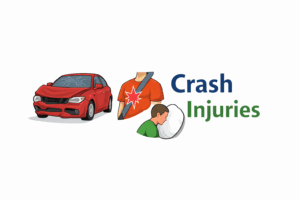
In serious crashes, injuries may involve the head, chest, spine, or internal organs. Even safety features like seatbelts and airbags, while lifesaving, can sometimes cause additional injuries due to the force involved.
First Aid & Workplace Relevance in Winnipeg, Manitoba
 In Winnipeg, Manitoba, busy roadways such as those in Downtown Winnipeg, Transcona, and St. Vital see daily traffic incidents. Whether on highways or city streets, collisions can happen anywhere.
CPR training in Winnipeg and first aid certification in Manitoba are important for:
- Drivers and commuters
- Transportation and delivery workers
- Construction and roadside crews
- Teachers, parents, and community members
These skills are widely taught in emergency response training across Canada, helping bystanders take action safely while waiting for emergency services.
Scenario: Fatal Highway 4 Crash Near Whiskey Creek
A fatal crash occurred on Highway 4 near Little Qualicum Falls Regional Park, west of Whiskey Creek in British Columbia.
A man in his 70s was involved in the collision, which included three vehicles. A witness, Daniel Bridgman, a Port Alberni resident, came across the scene while driving home. He described how multiple motorists had already stopped to help.
Bystanders worked together to remove the driver from the truck and bring him up to the roadside. Bridgman assisted in moving the man, while noting that another individual—a woman involved in the crash—appeared not to be injured.
Once the man was out of the vehicle, those at the scene began CPR and attempted to provide oxygen, as he was not responding. Emergency responders, including BC Ambulance and Oceanside RCMP, arrived shortly after.
When paramedics asked how long CPR had been in progress, bystanders estimated five to seven minutes. The responders then shifted focus to other victims at the scene. The BC Coroners Service later confirmed that the man had died.
Traffic on Highway 4 was closed in both directions for several hours while emergency crews responded.
While this incident occurred in British Columbia, similar multi-vehicle collisions happen across Manitoba highways and Winnipeg roadways, where rapid response and trained bystanders can make a difference.
Common Injuries in Car Crashes
Motor vehicle collisions can lead to various types of injuries, including:
- Head injuries or concussion
- Neck injuries such as whiplash
- Chest injuries affecting breathing
- Internal bleeding
- Broken bones or fractures
- Spinal injuries
Injuries from Seatbelts and Airbags
Safety devices save lives, but the force of deployment can sometimes cause:
- Bruising across the chest or abdomen (seatbelt marks)
- Rib or collarbone injuries
- Minor burns or abrasions from airbags
- Facial or arm injuries from airbag impact
These injuries are often less severe than the outcomes they help prevent, but they still require attention and monitoring.
Symptoms and Warning Signs After a Crash
After a collision, watch for:
- Unresponsiveness or loss of consciousness
- Difficulty breathing
- Chest or abdominal pain
- Confusion or disorientation
- Visible injuries or bleeding
- Neck or back pain
Symptoms may not always appear immediately, so ongoing observation is important.
First Aid Response: What to Do
Based on standard first aid training practices in Canada, general response steps include:
- Ensure scene safety (watch for traffic, fire, or hazards)
- Call emergency services immediately
- Check responsiveness and breathing
- If not breathing, begin CPR (chest compressions)
- Avoid unnecessary movement, especially if spinal injury is suspected
- Provide reassurance and monitor the person until help arrives
If trained, using an AED (Automated External Defibrillator) can also be part of the response when available.
Prevention and Workplace Safety Considerations
Reducing crash risks is essential across Winnipeg and Manitoba:
- Follow safe driving practices and speed limits
- Use seatbelts properly at all times
- Ensure workplace drivers receive first aid and CPR training in Winnipeg
- Maintain vehicles regularly
- Promote road safety awareness in workplaces and schools
Prepared drivers and trained bystanders contribute to safer communities.
Frequently Asked Questions
What should you do if someone is unresponsive after a car accident?
Call emergency services immediately and check for breathing. If the person is not breathing, begin CPR. Avoid moving them unless there is immediate danger, as spinal injuries are possible in crashes.
Can CPR help after a crash?
Yes, CPR can help maintain circulation and oxygen flow if a person is not breathing. Early action by bystanders is commonly emphasized in CPR training across Canada.
Are seatbelts and airbags dangerous?
They can cause minor injuries due to impact forces, but they significantly reduce the risk of serious injury or death. Their benefits far outweigh the risks.
What injuries are most common in collisions?
Common injuries include whiplash, fractures, head injuries, and chest trauma. Some injuries may not be obvious right away, which is why monitoring is important.
Who should take first aid training in Manitoba?
Anyone can benefit, especially drivers, workers, and those in public-facing roles. First aid certification in Manitoba helps individuals respond effectively in emergencies.
Educational Note
This article is for general awareness and reflects commonly taught first aid practices in Canada. Quick recognition and safe response are key during vehicle-related emergencies.
About The Author

Mark Kascha
Certified First Aid Instructor Trainer with 30+ years of real-world experience, including lifeguarding, workplace emergency response, and first aid program development across Canada. Has worked with WorkSafeBC, WSIB, and Manitoba Health.
👉 [View full credentials]🔗 View LinkedIn Profile
Last reviewed: March 2026