
Collins Bay Inmate Dies After Apparent Drug Overdose Despite CPR Efforts
An inmate at the medium-security unit of Collins Bay Institution has died following an apparent drug overdose, according to the guards’ union. The incident highlights the ongoing challenges correctional officers face when responding to medical emergencies caused by illicit drugs inside Canadian prisons.
The inmate, identified as Shane Elliott Gammie, was 35 years old and was found unresponsive in his cell around 1:30 a.m. on Saturday, Nov. 28, 2018.
Background of the Incident
Gammie was serving a sentence of five years, nine months, and 15 days, which began in June 2015. His convictions included break and enter, use of a firearm, and possession of drugs for the purpose of trafficking. Correctional Service Canada (CSC) confirmed that his family has been notified of his death.
While CSC did not publicly disclose the official cause of death—citing the Privacy Act—it confirmed that police and the coroner’s office were notified immediately.
According to Rob Finucan, Ontario regional president of the Union of Canadian Correctional Officers, officers on the scene indicated the death was consistent with a suspected drug overdose.
Further details about the incident were reported by the Ottawa Citizen, which outlined the emergency response and ongoing concerns about illicit drugs inside federal correctional facilities: 👉 Collins Bay inmate dead of apparent drug overdose, guards’ union says
Emergency Response and CPR Efforts
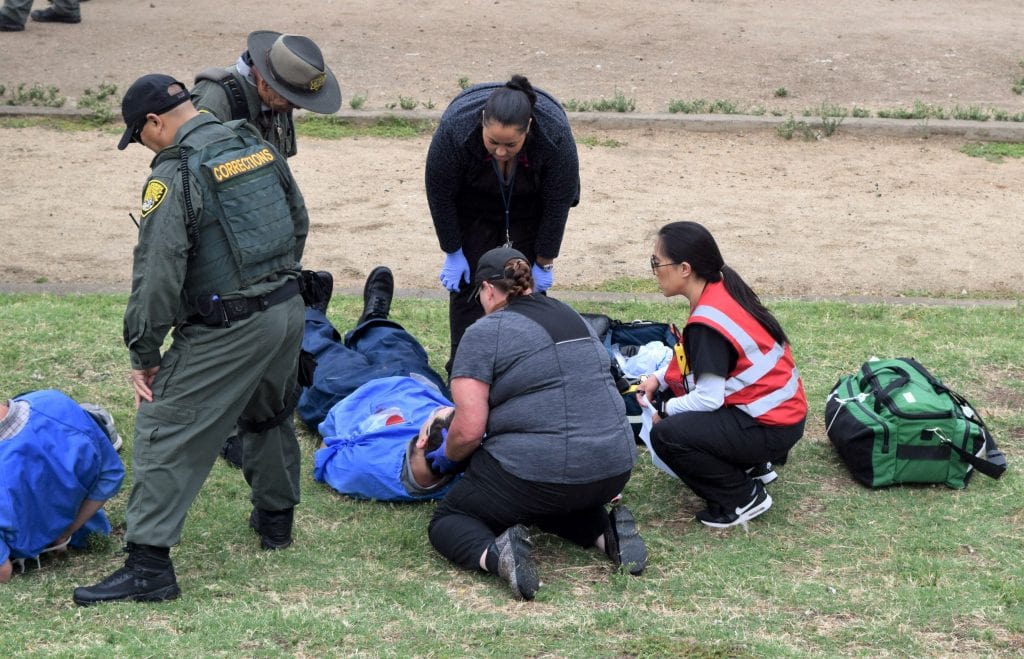
Two correctional officers discovered Gammie unresponsive during a routine patrol of the unit. Several officers quickly responded and began emergency first aid.
Officers administered CPR, used a defibrillator, and provided naloxone, a medication designed to reverse opioid overdoses. Despite their efforts, the situation was described as extremely traumatic, with Officers continuing life saving care until paramedics arrived.
Unfortunately, Gammie could not be revived.
Why First Aid and CPR Training Matters
This tragic incident reinforces the importance of CPR and AED training in high-risk environments where medical emergencies can occur without warning. Immediate action by trained responders can significantly improve outcomes during overdoses and cardiac emergencies.
Learn More About First Aid and CPR
Medical emergencies such as drug overdoses can happen without warning. Knowing how to respond with CPR, AED use, and overdose first aid can save lives.
CPR & AED Training (Winnipeg First Aid):
Collins Bay inmate dead of apparent drug overdose, guards’ union says
https://firstaidwinnipeg.ca/cpr-courses/
Overdose & CPR Information (Mayo Clinic):
https://www.mayoclinic.org/first-aid/first-aid-cpr/basics/art-20056600
About The Author
Mark Kascha
Certified First Aid Instructor Trainer with 30+ years of real-world experience, including lifeguarding, workplace emergency response, and first aid program development across Canada. Has worked with WorkSafeBC, WSIB, and Manitoba Health.
👉 [View full credentials]🔗 View LinkedIn Profile
Last reviewed: March 2026
Serving Winnipeg and south Manitoba with the cheapest priced, highest quality first aid training, CPR and food safety courses since 2012 with a commitment to providing the best classes to Canadians.
