Understanding Crash-Related Injuries
Vehicle collisions can cause a wide range of injuries—even in incidents that appear minor. Knowing what to do if someone is injured in a crash or how to respond safely after a vehicle hits a structure is essential.
Even low-speed crashes can result in injuries due to sudden impact forces on the body.
First Aid & Workplace Relevance in Winnipeg, Manitoba
In Winnipeg, Manitoba, vehicle collisions can occur in residential areas, job sites, and busy roads in places like Transcona, St. Vital, and Downtown Winnipeg.
First aid certification in Manitoba and CPR training in Winnipeg are important for:
- Drivers and commuters
- Construction and roadside workers
- Homeowners and residents
- Workplace safety teams
These skills are widely taught in emergency response training across Canada, helping individuals respond effectively to accidents.
Scenario: Truck Crashes into Home in Abbotsford
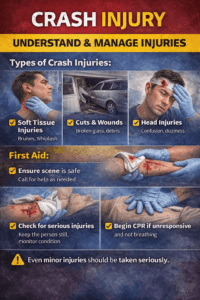 A vehicle collision occurred in Abbotsford, British Columbia, when a silver pick-up truck crashed into a home along Lefeuvre Road.
Emergency crews from the Abbotsford Police Department and Abbotsford Fire Rescue Services responded to the scene.
The truck:
- Plowed through fencing and a light
- Caused damage to the garage and part of the living area
Fortunately:
- The residents inside the home were not injured
- The driver sustained minor injuries and received first aid care
Authorities indicated that charges were pending against the driver.
This incident highlights how crashes—even in residential settings—can lead to injuries requiring immediate care, similar to situations seen across Winnipeg neighbourhoods.
Common Types of Crash Injuries
Vehicle collisions can result in various injuries:
1. Soft Tissue Injuries
- Bruises, sprains, and strains
- Whiplash affecting the neck
2. Cuts and Wounds
- From broken glass or debris
- May involve bleeding
3. Head Injuries
- Concussion or confusion
- Possible loss of consciousness
4. Chest Injuries
- From seatbelt impact
- Rib discomfort or breathing difficulty
5. Fractures
- Broken bones in arms, legs, or ribs
- May limit movement
Even when injuries seem minor, monitoring is important.
Symptoms and Warning Signs After a Crash
Watch for:
- Pain or swelling
- Bleeding or visible wounds
- Dizziness or confusion
- Difficulty breathing
- Limited movement or weakness
Symptoms may develop after the initial incident.
First Aid Response: What to Do
Based on standard first aid training practices in Canada:
- Ensure scene safety (watch for traffic or hazards)
- Call emergency services if needed
- Check responsiveness and breathing
- Control bleeding with gentle pressure
- Keep the person still and comfortable
- Monitor for changes in condition
If the person becomes unresponsive and not breathing, begin CPR.
Managing Common Crash Injuries (General Awareness)
Cuts and Bleeding
- Apply gentle pressure using a clean cloth
- Keep the area covered
Suspected Fractures
- Avoid moving the injured area
- Support the limb if possible
Head Injuries
- Monitor for confusion or changes
- Keep the person still
Neck/Back Injuries
- Minimize movement
- Support the head and neck if safe
These approaches are commonly taught in first aid courses across Canada.
Prevention and Safety Considerations
To reduce risks in Winnipeg and across Manitoba:
- Drive attentively and avoid distractions
- Maintain safe speeds in residential areas
- Keep vehicles well maintained
- Use seatbelts properly
- Promote workplace vehicle safety programs
Prepared individuals can reduce both risk and severity of injuries.
Frequently Asked Questions
What should you do immediately after a crash?
Ensure the scene is safe, check for injuries, and call emergency services if needed. Provide first aid to anyone injured.
Can minor crashes still cause injuries?
Yes, even low-speed collisions can cause soft tissue injuries, cuts, or head trauma.
When should CPR be used after a crash?
CPR should be started if a person is unresponsive and not breathing.
Should you move an injured person?
Only if necessary for safety. Otherwise, keep them still to avoid worsening injuries.
Who should take first aid training in Winnipeg?
Drivers, workers, and community members can all benefit. Training prepares individuals to respond effectively in emergencies.
Educational Note
This article is for general awareness and reflects commonly taught first aid practices in Canada. Recognizing injuries early and responding safely can help prevent complications.
About The Author

Mark Kascha
Certified First Aid Instructor Trainer with 30+ years of real-world experience, including lifeguarding, workplace emergency response, and first aid program development across Canada. Has worked with WorkSafeBC, WSIB, and Manitoba Health.
👉 [View full credentials]🔗 View LinkedIn Profile
Last reviewed: March 2026