Knowing what to do if someone suddenly goes into cardiac arrest at home or how to respond when a person stops breathing is one of the most important life-saving skills. Cardiac emergencies can happen anywhere—often without warning—and up-to-date CPR training can make a critical difference.
In Winnipeg and across Manitoba, many cardiac arrests occur in private homes. This is why CPR training Winnipeg and first aid certification Manitoba are strongly recommended not just for professionals, but for everyday people.
First Aid & Workplace Relevance in Canada
Across Canada, CPR and emergency response training are essential for:
- Workplace safety teams and supervisors
- Teachers, caregivers, and community leaders
- Volunteers and first responders
- Anyone responsible for others at home or work
In Winnipeg neighbourhoods like St. Vital and Transcona, where many families live in residential homes, being prepared for cardiac arrest at home is especially important.
Canadian training programs emphasize CPR, AED use, and ongoing recertification to maintain readiness.
Scenario Story: CPR Instructor Under Investigation After Emergency Response
 A unique and complex incident in Saskatchewan highlights both the importance—and responsibility—of emergency response.
A CPR instructor, who was also a volunteer medical first responder, received a call about a cardiac arrest at a rural home while teaching a CPR recertification class.
Seeing it as a learning opportunity, she brought her three adult students to the scene. They arrived before paramedics and began assisting with moving the patient and attempting CPR.
Despite their efforts, the individual could not be revived. When paramedics arrived, the patient was declared deceased.
Following the incident, concerns were raised regarding privacy and professional conduct. Investigations concluded that there had been a breach involving unauthorized access to personal information, and additional training requirements were recommended.
This situation highlights an important balance:
while rapid CPR response is critical, proper training, boundaries, and professionalism are equally important in real-world emergencies.
A Unique First Aid Insight: “Most Cardiac Arrests Happen at Home”
A surprising and important fact taught in CPR training is:
➡️ The majority of cardiac arrests happen at home—not in public places.
This means:
- The first responder is often a family member or bystander
- Immediate CPR may depend on someone nearby with training
- Delays can occur if no one knows what to do
This is why CPR training in Canada strongly encourages:
- Household members to be trained together
- Regular recertification to keep skills fresh
- Confidence in recognizing emergencies quickly
Why CPR Recertification Matters
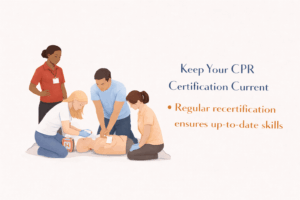
Another key takeaway from this story is the importance of keeping skills current.
➡️ CPR is not a “learn once” skill—it requires regular refreshers.
Over time:
- Technique accuracy (compression depth, speed) can decline
- Confidence in real emergencies may decrease
- Guidelines and best practices may be updated
Many organizations recommend annual refreshers or periodic recertification, especially for:
- Workplace responders
- Instructors and volunteers
- Individuals responsible for others
Staying current ensures you can respond quickly, correctly, and confidently.
Symptoms / Warning Signs of Cardiac Arrest
Cardiac arrest can occur suddenly, often with little warning. Signs include:
- Sudden collapse
- Unresponsiveness
- No normal breathing
- Gasping or irregular breathing
Immediate action is critical when these signs appear.
Causes / Risk Factors
Factors that may contribute include:
- Heart disease or prior cardiac conditions
- Age-related cardiovascular changes
- Stress or underlying health issues
- Lack of immediate medical attention
However, cardiac arrest can occur unexpectedly in many situations.
First Aid & CPR Response for Cardiac Arrest
Based on standard first aid training practices in Canada, general response includes:
- Calling emergency services immediately
- Checking responsiveness and breathing
- If unresponsive and not breathing normally, CPR may be started
- Using an AED as soon as available
- Continuing care until emergency responders arrive
These life-saving skills are commonly taught in certified CPR and emergency response training across Canada.
Prevention & Workplace Considerations
To improve cardiac emergency preparedness in Manitoba:
- Encourage CPR training and regular recertification
- Ensure AEDs are available in workplaces and public areas
- Promote awareness of cardiac symptoms
- Train teams and families in emergency response
- Include privacy and professionalism in training environments
Preparedness includes both skills and responsibility.
FAQ
Why is CPR recertification important?
Skills and confidence can decline over time. Recertification helps ensure you are using the most current techniques and can respond effectively.
Where do most cardiac arrests happen?
Most occur at home, which means family members or nearby individuals are often the first to respond.
How often should CPR certification be renewed in Canada?
Many programs recommend regular refreshers or recertification depending on workplace or training requirements.
Who should take CPR training in Winnipeg?
Everyone can benefit, especially families, workers, and community members across Manitoba.
What is the first step in a cardiac emergency?
Call emergency services immediately and begin assessing the person’s breathing and responsiveness.
Educational Note
This content is for general awareness and reflects commonly taught practices in first aid and CPR training across Canada. Regular training and recertification help individuals respond more confidently in real-life emergencies.
About The Author

Mark Kascha
Certified First Aid Instructor Trainer with 30+ years of real-world experience, including lifeguarding, workplace emergency response, and first aid program development across Canada. Has worked with WorkSafeBC, WSIB, and Manitoba Health.
👉 [View full credentials]🔗 View LinkedIn Profile
Last reviewed: March 2026