 Knowing what to do if someone collapses during physical activity or how to respond when a runner suddenly becomes unresponsive is critical. During intense cardiovascular activity, the body is under stress, and in rare cases, this can lead to cardiac arrest, where CPR and AED use are essential.
In Winnipeg and across Manitoba, community runs, sports events, and fitness activities are common. This makes CPR training Winnipeg and first aid certification Manitoba especially important for participants, coaches, and event staff.
First Aid & Workplace Relevance in Canada
Across Canada, emergency response training is essential for:
- Athletes and recreational runners
- Event organizers and volunteers
- Coaches, trainers, and fitness staff
- Workplace wellness program leaders
In Winnipeg areas like Assiniboine Park and community race routes, quick access to CPR and AED training can significantly improve outcomes during emergencies.
Scenario Story: Runner Saved Near Finish Line
During the Canada Army Run in Ottawa, a man in his 50s collapsed just as he was about to cross the finish line.
Bystanders and responders quickly recognized the seriousness of the situation and began CPR. An automated external defibrillator (AED) was also used, delivering a shock that helped restore the man’s heart rhythm.
When paramedics arrived, the man had regained a pulse and was breathing independently, although he remained unconscious. Further assessment confirmed that he had experienced a heart attack.
He was transported to a healthcare facility, where he continued to recover and was expected to reunite with his family.
This incident highlights how rapid bystander action—CPR and AED use—can dramatically improve survival in cardiac emergencies.
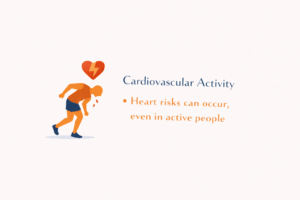
A Unique First Aid Insight: “Sudden Cardiac Arrest Can Happen Even in Active People”
A surprising and important fact in first aid training is:
➡️ Sudden cardiac arrest can occur even in physically active or seemingly healthy individuals.
During intense exercise:
- The heart works harder and requires more oxygen
- Undetected heart conditions may become triggered
- Dehydration and electrolyte imbalances can affect heart rhythm
This is why many public events across Canada now include:
- On-site AEDs
- Trained volunteers
- Emergency response planning
Preparedness is key—even in environments focused on health and fitness.
Symptoms / Warning Signs Before Collapse
In some cases, warning signs may appear before collapse:
- Chest discomfort or pressure
- Shortness of breath
- Dizziness or lightheadedness
- Unusual fatigue during activity
- Sudden loss of coordination
However, collapse can also occur without warning.
Causes / Risk Factors
Factors that may contribute during intense activity include:
- Underlying heart conditions
- Physical exertion beyond usual limits
- Dehydration or heat stress
- Age-related cardiovascular changes
- Lack of immediate medical access
Understanding these risks supports better preparedness.
First Aid & CPR Response for Sudden Collapse
Based on standard first aid training practices in Canada, general response includes:
- Calling emergency services immediately
- Checking responsiveness and breathing
- If unresponsive and not breathing normally, CPR may be started
- Using an AED as soon as it is available
- Continuing care until emergency responders arrive
These life-saving skills are commonly taught in certified CPR and emergency response training across Canada.
Prevention & Workplace Considerations
To improve safety during physical activity in Manitoba:
- Stay hydrated and pace physical exertion
- Participate in regular health check-ups
- Ensure AEDs are available at organized events
- Train staff and volunteers in CPR and AED use
- Include emergency response planning in event organization
Preparedness helps create safer environments for everyone.
FAQ
What should you do if someone collapses during a run?
Call emergency services immediately, check breathing, and begin CPR if needed. Use an AED as soon as possible.
Why is an AED important in cardiac arrest?
An AED can help restore a normal heart rhythm. Combined with CPR, it significantly improves survival chances.
Can healthy athletes experience cardiac arrest?
Yes, even active individuals can experience sudden cardiac events, sometimes without prior warning.
Who should take CPR training in Winnipeg?
Anyone can benefit, especially athletes, coaches, event staff, and community members.
What is the first priority in a collapse emergency?
Recognizing the emergency quickly and starting CPR while calling for help is critical.
Educational Note
This content is for general awareness and reflects commonly taught practices in first aid and CPR training across Canada. Hands-on training helps individuals respond more confidently in real-life emergencies.
Knowing what to do if someone collapses during physical activity or how to respond when a runner suddenly becomes unresponsive is critical. During intense cardiovascular activity, the body is under stress, and in rare cases, this can lead to cardiac arrest, where CPR and AED use are essential.
In Winnipeg and across Manitoba, community runs, sports events, and fitness activities are common. This makes CPR training Winnipeg and first aid certification Manitoba especially important for participants, coaches, and event staff.
First Aid & Workplace Relevance in Canada
Across Canada, emergency response training is essential for:
- Athletes and recreational runners
- Event organizers and volunteers
- Coaches, trainers, and fitness staff
- Workplace wellness program leaders
In Winnipeg areas like Assiniboine Park and community race routes, quick access to CPR and AED training can significantly improve outcomes during emergencies.
Scenario Story: Runner Saved Near Finish Line
During the Canada Army Run in Ottawa, a man in his 50s collapsed just as he was about to cross the finish line.
Bystanders and responders quickly recognized the seriousness of the situation and began CPR. An automated external defibrillator (AED) was also used, delivering a shock that helped restore the man’s heart rhythm.
When paramedics arrived, the man had regained a pulse and was breathing independently, although he remained unconscious. Further assessment confirmed that he had experienced a heart attack.
He was transported to a healthcare facility, where he continued to recover and was expected to reunite with his family.
This incident highlights how rapid bystander action—CPR and AED use—can dramatically improve survival in cardiac emergencies.
A Unique First Aid Insight: “Sudden Cardiac Arrest Can Happen Even in Active People”
A surprising and important fact in first aid training is:
➡️ Sudden cardiac arrest can occur even in physically active or seemingly healthy individuals.
During intense exercise:
- The heart works harder and requires more oxygen
- Undetected heart conditions may become triggered
- Dehydration and electrolyte imbalances can affect heart rhythm
This is why many public events across Canada now include:
- On-site AEDs
- Trained volunteers
- Emergency response planning
Preparedness is key—even in environments focused on health and fitness.
Symptoms / Warning Signs Before Collapse
In some cases, warning signs may appear before collapse:
- Chest discomfort or pressure
- Shortness of breath
- Dizziness or lightheadedness
- Unusual fatigue during activity
- Sudden loss of coordination
However, collapse can also occur without warning.
Causes / Risk Factors
Factors that may contribute during intense activity include:
- Underlying heart conditions
- Physical exertion beyond usual limits
- Dehydration or heat stress
- Age-related cardiovascular changes
- Lack of immediate medical access
Understanding these risks supports better preparedness.
First Aid & CPR Response for Sudden Collapse
Based on standard first aid training practices in Canada, general response includes:
- Calling emergency services immediately
- Checking responsiveness and breathing
- If unresponsive and not breathing normally, CPR may be started
- Using an AED as soon as it is available
- Continuing care until emergency responders arrive
These life-saving skills are commonly taught in certified CPR and emergency response training across Canada.
Prevention & Workplace Considerations
To improve safety during physical activity in Manitoba:
- Stay hydrated and pace physical exertion
- Participate in regular health check-ups
- Ensure AEDs are available at organized events
- Train staff and volunteers in CPR and AED use
- Include emergency response planning in event organization
Preparedness helps create safer environments for everyone.
FAQ
What should you do if someone collapses during a run?
Call emergency services immediately, check breathing, and begin CPR if needed. Use an AED as soon as possible.
Why is an AED important in cardiac arrest?
An AED can help restore a normal heart rhythm. Combined with CPR, it significantly improves survival chances.
Can healthy athletes experience cardiac arrest?
Yes, even active individuals can experience sudden cardiac events, sometimes without prior warning.
Who should take CPR training in Winnipeg?
Anyone can benefit, especially athletes, coaches, event staff, and community members.
What is the first priority in a collapse emergency?
Recognizing the emergency quickly and starting CPR while calling for help is critical.
Educational Note
This content is for general awareness and reflects commonly taught practices in first aid and CPR training across Canada. Hands-on training helps individuals respond more confidently in real-life emergencies.
Knowing what to do if someone collapses during physical activity or how to respond when a runner suddenly becomes unresponsive is critical. During intense cardiovascular activity, the body is under stress, and in rare cases, this can lead to cardiac arrest, where CPR and AED use are essential.
In Winnipeg and across Manitoba, community runs, sports events, and fitness activities are common. This makes CPR training Winnipeg and first aid certification Manitoba especially important for participants, coaches, and event staff.
First Aid & Workplace Relevance in Canada
Across Canada, emergency response training is essential for:
- Athletes and recreational runners
- Event organizers and volunteers
- Coaches, trainers, and fitness staff
- Workplace wellness program leaders
In Winnipeg areas like Assiniboine Park and community race routes, quick access to CPR and AED training can significantly improve outcomes during emergencies.
Scenario Story: Runner Saved Near Finish Line
During the Canada Army Run in Ottawa, a man in his 50s collapsed just as he was about to cross the finish line.
Bystanders and responders quickly recognized the seriousness of the situation and began CPR. An automated external defibrillator (AED) was also used, delivering a shock that helped restore the man’s heart rhythm.
When paramedics arrived, the man had regained a pulse and was breathing independently, although he remained unconscious. Further assessment confirmed that he had experienced a heart attack.
He was transported to a healthcare facility, where he continued to recover and was expected to reunite with his family.
This incident highlights how rapid bystander action—CPR and AED use—can dramatically improve survival in cardiac emergencies.
A Unique First Aid Insight: “Sudden Cardiac Arrest Can Happen Even in Active People”
A surprising and important fact in first aid training is:
➡️ Sudden cardiac arrest can occur even in physically active or seemingly healthy individuals.
During intense exercise:
- The heart works harder and requires more oxygen
- Undetected heart conditions may become triggered
- Dehydration and electrolyte imbalances can affect heart rhythm
This is why many public events across Canada now include:
- On-site AEDs
- Trained volunteers
- Emergency response planning
Preparedness is key—even in environments focused on health and fitness.
Symptoms / Warning Signs Before Collapse
In some cases, warning signs may appear before collapse:
- Chest discomfort or pressure
- Shortness of breath
- Dizziness or lightheadedness
- Unusual fatigue during activity
- Sudden loss of coordination
However, collapse can also occur without warning.
Causes / Risk Factors
Factors that may contribute during intense activity include:
- Underlying heart conditions
- Physical exertion beyond usual limits
- Dehydration or heat stress
- Age-related cardiovascular changes
- Lack of immediate medical access
Understanding these risks supports better preparedness.
First Aid & CPR Response for Sudden Collapse
Based on standard first aid training practices in Canada, general response includes:
- Calling emergency services immediately
- Checking responsiveness and breathing
- If unresponsive and not breathing normally, CPR may be started
- Using an AED as soon as it is available
- Continuing care until emergency responders arrive
These life-saving skills are commonly taught in certified CPR and emergency response training across Canada.
Prevention & Workplace Considerations
To improve safety during physical activity in Manitoba:
- Stay hydrated and pace physical exertion
- Participate in regular health check-ups
- Ensure AEDs are available at organized events
- Train staff and volunteers in CPR and AED use
- Include emergency response planning in event organization
Preparedness helps create safer environments for everyone.
FAQ
What should you do if someone collapses during a run?
Call emergency services immediately, check breathing, and begin CPR if needed. Use an AED as soon as possible.
Why is an AED important in cardiac arrest?
An AED can help restore a normal heart rhythm. Combined with CPR, it significantly improves survival chances.
Can healthy athletes experience cardiac arrest?
Yes, even active individuals can experience sudden cardiac events, sometimes without prior warning.
Who should take CPR training in Winnipeg?
Anyone can benefit, especially athletes, coaches, event staff, and community members.
What is the first priority in a collapse emergency?
Recognizing the emergency quickly and starting CPR while calling for help is critical.
Educational Note
This content is for general awareness and reflects commonly taught practices in first aid and CPR training across Canada. Hands-on training helps individuals respond more confidently in real-life emergencies.
Knowing what to do if someone collapses during physical activity or how to respond when a runner suddenly becomes unresponsive is critical. During intense cardiovascular activity, the body is under stress, and in rare cases, this can lead to cardiac arrest, where CPR and AED use are essential.
In Winnipeg and across Manitoba, community runs, sports events, and fitness activities are common. This makes CPR training Winnipeg and first aid certification Manitoba especially important for participants, coaches, and event staff.
First Aid & Workplace Relevance in Canada
Across Canada, emergency response training is essential for:
- Athletes and recreational runners
- Event organizers and volunteers
- Coaches, trainers, and fitness staff
- Workplace wellness program leaders
In Winnipeg areas like Assiniboine Park and community race routes, quick access to CPR and AED training can significantly improve outcomes during emergencies.
Scenario Story: Runner Saved Near Finish Line
During the Canada Army Run in Ottawa, a man in his 50s collapsed just as he was about to cross the finish line.
Bystanders and responders quickly recognized the seriousness of the situation and began CPR. An automated external defibrillator (AED) was also used, delivering a shock that helped restore the man’s heart rhythm.
When paramedics arrived, the man had regained a pulse and was breathing independently, although he remained unconscious. Further assessment confirmed that he had experienced a heart attack.
He was transported to a healthcare facility, where he continued to recover and was expected to reunite with his family.
This incident highlights how rapid bystander action—CPR and AED use—can dramatically improve survival in cardiac emergencies.
A Unique First Aid Insight: “Sudden Cardiac Arrest Can Happen Even in Active People”
A surprising and important fact in first aid training is:
➡️ Sudden cardiac arrest can occur even in physically active or seemingly healthy individuals.
During intense exercise:
- The heart works harder and requires more oxygen
- Undetected heart conditions may become triggered
- Dehydration and electrolyte imbalances can affect heart rhythm
This is why many public events across Canada now include:
- On-site AEDs
- Trained volunteers
- Emergency response planning
Preparedness is key—even in environments focused on health and fitness.
Symptoms / Warning Signs Before Collapse
In some cases, warning signs may appear before collapse:
- Chest discomfort or pressure
- Shortness of breath
- Dizziness or lightheadedness
- Unusual fatigue during activity
- Sudden loss of coordination
However, collapse can also occur without warning.
Causes / Risk Factors
Factors that may contribute during intense activity include:
- Underlying heart conditions
- Physical exertion beyond usual limits
- Dehydration or heat stress
- Age-related cardiovascular changes
- Lack of immediate medical access
Understanding these risks supports better preparedness.
First Aid & CPR Response for Sudden Collapse
Based on standard first aid training practices in Canada, general response includes:
- Calling emergency services immediately
- Checking responsiveness and breathing
- If unresponsive and not breathing normally, CPR may be started
- Using an AED as soon as it is available
- Continuing care until emergency responders arrive
These life-saving skills are commonly taught in certified CPR and emergency response training across Canada.
Prevention & Workplace Considerations
To improve safety during physical activity in Manitoba:
- Stay hydrated and pace physical exertion
- Participate in regular health check-ups
- Ensure AEDs are available at organized events
- Train staff and volunteers in CPR and AED use
- Include emergency response planning in event organization
Preparedness helps create safer environments for everyone.
FAQ
What should you do if someone collapses during a run?
Call emergency services immediately, check breathing, and begin CPR if needed. Use an AED as soon as possible.
Why is an AED important in cardiac arrest?
An AED can help restore a normal heart rhythm. Combined with CPR, it significantly improves survival chances.
Can healthy athletes experience cardiac arrest?
Yes, even active individuals can experience sudden cardiac events, sometimes without prior warning.
Who should take CPR training in Winnipeg?
Anyone can benefit, especially athletes, coaches, event staff, and community members.
What is the first priority in a collapse emergency?
Recognizing the emergency quickly and starting CPR while calling for help is critical.
Educational Note
This content is for general awareness and reflects commonly taught practices in first aid and CPR training across Canada. Hands-on training helps individuals respond more confidently in real-life emergencies.
About The Author

Mark Kascha
Certified First Aid Instructor Trainer with 30+ years of real-world experience, including lifeguarding, workplace emergency response, and first aid program development across Canada. Has worked with WorkSafeBC, WSIB, and Manitoba Health.
👉 [View full credentials]🔗 View LinkedIn Profile
Last reviewed: March 2026