Understanding How to Respond to Electrical Injuries
Knowing what to do if someone suffers an electric shock and becomes unresponsive is critical, especially during emergencies like flooding or home repairs. Electrical injuries can disrupt the heart’s normal rhythm and breathing, making CPR (cardiopulmonary resuscitation) an essential response until paramedics arrive.
In Canada, CPR and AED awareness are key components of certified first aid training and are especially important in environments where water and electricity may come into contact.
First Aid & Workplace Relevance in Winnipeg, Manitoba
Electrical hazards are a real concern in Winnipeg, Manitoba, particularly during spring flooding or in construction, maintenance, and residential settings. Areas near the Red River or flood-prone neighbourhoods can present increased risks when water interacts with powered equipment.
Workers, homeowners, and volunteers benefit from CPR training in Winnipeg and first aid certification in Manitoba, especially when dealing with pumps, generators, or electrical systems. Emergency response training is widely encouraged across Canada to prepare for these types of situations.
Scenario: CPR Performed After Electric Shock During Flood Response
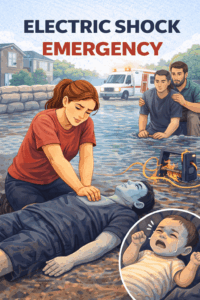 A man in Gatineau suffered a serious electric shock while helping a neighbour protect a home from flooding.
Richard Lafontaine was assisting with sandbagging efforts on De la Gappe Boulevard in the Touraine neighbourhood when the incident occurred. During the work, he came into contact with electrified water after tripping over an electric-powered pump that had been submerged.
Nearby volunteers, including Melissa Hoszko, her boyfriend, and her father, noticed that Lafontaine had suddenly collapsed. At first, they believed he may have fainted from exhaustion or experienced a medical issue.
However, it quickly became clear that the situation was more serious. Lafontaine was unresponsive, had no pulse, and showed signs of severe distress.
Recognizing the urgency, those nearby moved him carefully away from the water to a safer, dry area. Hoszko and another bystander then began CPR while others assisted and awaited emergency services.
This quick response highlights how bystander action and basic first aid knowledge can play a crucial role in emergencies involving electrical hazards.
Symptoms / Warning Signs of Electric Shock
A person affected by an electric shock may show:
- Sudden collapse
- Unresponsiveness
- Irregular or absent breathing
- No detectable pulse
- Burns or signs of electrical contact
- Disorientation or confusion
Immediate recognition of these signs is essential.
Causes / Risk Factors
Electrical injuries can occur due to:
- Contact between water and electrical equipment
- Damaged or submerged power tools
- Flooding conditions
- Improper handling of electrical devices
- Lack of awareness of live electrical sources
These risks are heightened during emergency situations like flooding.
First Aid & CPR / AED Response (General Guidance)
Based on standard first aid training practices in Canada, responders are taught to:
- Ensure the power source is no longer a danger before approaching
- Avoid contact with water or live electricity
- Move the person to a safe area if possible
- Check for responsiveness and normal breathing
- Call 911 immediately
- Begin CPR if the person is not breathing normally
- Use an AED if available and trained to do so
- Continue care until paramedics arrive
These steps are commonly taught in CPR and AED training programs across Canada.
🔹 Additional Insight: Why Electricity and Water Are Especially Dangerous
Water is a strong conductor of electricity, which means electrical currents can travel through flooded areas and create hidden hazards. Even equipment that appears turned off may still carry electrical risk.
This is why Canadian safety guidelines emphasize never assuming water is safe around powered devices and always approaching with caution.
Prevention & Workplace / Home Safety Considerations
To reduce the risk of electrical injuries:
- Turn off power sources before working in wet conditions
- Avoid using electrical equipment near standing water
- Use properly maintained and grounded devices
- Follow safety guidelines during flood response efforts
- Promote first aid and CPR training for workers and volunteers
In Winnipeg and across Manitoba, these precautions are especially important during flood seasons.
Frequently Asked Questions
What should you do if someone is electrocuted and unresponsive?
Ensure the area is safe from electricity before approaching. Trained individuals are taught to call 911 and begin CPR if the person is not breathing normally. Acting quickly can help support circulation until paramedics arrive.
Why is CPR important after an electric shock?
Electric shock can disrupt the heart’s rhythm and breathing. CPR helps maintain blood flow and oxygen delivery to vital organs during the critical time before emergency medical care is available.
Can water increase the risk of electric shock?
Yes, water can conduct electricity and increase the risk of injury. This is why extra caution is required when using electrical equipment in wet or flooded conditions.
Who should take CPR training in Manitoba?
CPR training is recommended for workers, homeowners, and volunteers. Many workplaces and community programs in Manitoba include this training as part of safety preparedness.
When should an AED be used in electrical emergencies?
An AED may be used when a person is unresponsive and not breathing normally. These devices are designed to help restore heart rhythm and are part of many emergency response plans.
Educational Note
This content is for general awareness and reflects commonly taught first aid, CPR, and AED practices in Canada. Certified training helps individuals respond more confidently in emergencies involving electrical hazards.
About The Author

Mark Kascha
Certified First Aid Instructor Trainer with 30+ years of real-world experience, including lifeguarding, workplace emergency response, and first aid program development across Canada. Has worked with WorkSafeBC, WSIB, and Manitoba Health.
👉 [View full credentials]🔗 View LinkedIn Profile
Last reviewed: March 2026