
Understanding How to Respond When Someone Is Buried in Snow
Knowing what to do if someone is buried in snow or becomes unresponsive in a backcountry accident is critical in winter environments. Incidents involving snowmobiles, avalanches, or collapsing snow formations can happen quickly and often in remote locations. CPR (cardiopulmonary resuscitation) may help support circulation and breathing until rescue teams arrive.
In Canada, CPR and wilderness first aid are commonly taught together, especially for those who spend time in backcountry or outdoor environments.
First Aid & Workplace Relevance in Winnipeg, Manitoba
While this incident occurred near Whistler, similar winter hazards can affect people in Winnipeg, Manitoba and surrounding rural or recreational areas where snowmobiling and outdoor activities are common.
Outdoor workers, snowmobile operators, construction crews, and recreational users benefit from CPR training in Winnipeg and first aid certification in Manitoba. Cold weather, remote access, and delayed emergency response times make preparedness especially important across Canada.
Scenario: Snow Cornice Collapse Leads to Backcountry Emergency
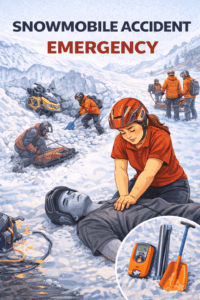 A 52-year-old man from Nanaimo lost his life after a snow cornice collapsed beneath him while snowmobiling near Mt. Callaghan.
Emergency services, including Whistler Search and Rescue, were called to the area after reports that a snowmobiler had fallen. When crews arrived, they discovered that the man had stopped on a snow cornice—a buildup of overhanging snow that can appear solid but is often unstable.
The cornice gave way, causing him to fall approximately 250 feet down the slope where he became partially buried in the snow.
Other snowmobilers nearby quickly responded. They worked together to dig him out and began CPR immediately while waiting for rescue teams. Despite their efforts, the man was pronounced deceased at the scene.
He was remembered as an experienced outdoorsman who strongly valued safety and avalanche awareness, highlighting how even knowledgeable individuals can face unpredictable risks in backcountry environments.
Symptoms / Warning Signs in Snow Burial Emergencies
A person involved in a snow collapse or burial may show:
- Unresponsiveness
- Difficulty or absence of breathing
- Cold or pale skin
- Limited movement or inability to respond
- Signs of trauma from a fall
Rapid response is essential in these conditions.
Causes / Risk Factors
Backcountry snow emergencies can involve:
- Unstable snow formations such as cornices
- Avalanches or snowpack collapse
- Sudden terrain changes
- Lack of visibility of underlying hazards
- Cold exposure and environmental conditions
Understanding terrain risks is key to prevention.
First Aid & CPR Response (General Guidance)
Based on standard first aid training practices in Canada, responders are taught to:
- Ensure the area is safe before approaching
- Locate and carefully remove the person from snow
- Check for responsiveness and normal breathing
- Call for emergency assistance immediately
- Begin CPR if the person is not breathing normally
- Continue care until rescue teams arrive
These steps are commonly taught in CPR and wilderness first aid training programs across Canada.
🔹 Additional Insight: Why Time Is Critical in Snow Burial
In snow burial situations, survival chances decrease significantly after the first 10–15 minutes due to limited oxygen availability. This is why immediate rescue and early CPR are emphasized in avalanche safety training.
Many outdoor enthusiasts in Canada carry avalanche beacons, probes, and shovels, which are essential tools for faster recovery in backcountry emergencies.
Prevention & Outdoor Safety Considerations
To reduce the risk of snow-related emergencies:
- Avoid traveling on or near snow cornices
- Check avalanche and weather conditions before heading out
- Travel with others and maintain communication
- Carry proper safety equipment
- Take avalanche awareness and first aid training
In Manitoba and across Canada, these precautions are vital for safe winter recreation.
Frequently Asked Questions
What should you do if someone is buried in snow?
Trained responders are taught to locate and safely remove the person as quickly as possible, call for emergency help, and begin CPR if the person is not breathing normally.
Why is CPR important in snow-related emergencies?
CPR helps maintain oxygen flow to the brain and vital organs when breathing or circulation has stopped. Early action is critical in cold and low-oxygen environments.
What is a snow cornice and why is it dangerous?
A snow cornice is an overhanging mass of snow that can collapse unexpectedly. It may appear stable but can break under weight, leading to serious falls or burial.
Who should take wilderness first aid training in Canada?
Outdoor workers, snowmobilers, hikers, and recreational users can benefit from wilderness first aid training. These programs are widely available across Canada.
How can snowmobile accidents be prevented?
Awareness of terrain, weather conditions, and proper safety training can reduce risks. Traveling with others and carrying safety equipment also improves preparedness.
Educational Note
This content is for general awareness and reflects commonly taught first aid and CPR practices in Canada. Certified training helps individuals respond more effectively in outdoor and backcountry emergencies.
About The Author

Mark Kascha
Certified First Aid Instructor Trainer with 30+ years of real-world experience, including lifeguarding, workplace emergency response, and first aid program development across Canada. Has worked with WorkSafeBC, WSIB, and Manitoba Health.
👉 [View full credentials]🔗 View LinkedIn Profile
Last reviewed: March 2026