Understanding How to Respond When Someone Has a Heart Emergency at Home
Knowing what to do if someone collapses at home and stops breathing can be life-saving. Cardiac arrest can happen suddenly, even during routine activities like showering. CPR (cardiopulmonary resuscitation) helps maintain blood flow to the brain and vital organs until paramedics arrive.
In Canada, even if you are not trained, 911 dispatchers are trained to guide callers step-by-step through CPR, helping bystanders take action in critical moments.
First Aid & Workplace Relevance in Winnipeg, Manitoba
Emergencies like this can happen in any home across Winnipeg, Manitoba, from family residences in St. Vital to apartments in Downtown Winnipeg and neighbourhoods like Transcona.
Parents, caregivers, workers, and community members benefit from CPR training in Winnipeg and first aid certification in Manitoba. However, this story also highlights an important reality—you may still need to act even without prior training, relying on guidance from emergency dispatchers.
Across Canada, dispatcher-assisted CPR is recognized as a critical link in the chain of survival.
Scenario: 911 Dispatcher Guides CPR During At-Home Emergency
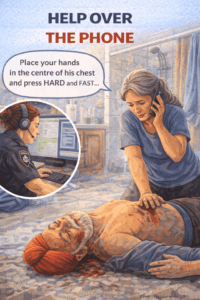 A 911 dispatcher played a crucial role in helping save a man’s life after he experienced a cardiac emergency at home in Port Alberni.
Carol Klock called 911 after her husband, Jack, collapsed while showering. Faced with a sudden and unfamiliar situation, she had no prior CPR training but recognized that immediate help was needed.
On the other end of the line, dispatcher Natalie Rumsby calmly guided her through the steps of CPR. Following instructions over the phone, Carol performed CPR continuously for approximately 10 minutes while waiting for paramedics to arrive.
Her actions, supported by the dispatcher’s guidance, helped sustain her husband until professional care took over. He survived the incident.
What made this story especially meaningful was that dispatchers often never learn the outcome of the emergencies they assist with. In this case, the dispatcher later discovered the result through a news story shared by a colleague.
This experience highlighted both the emotional demands of emergency dispatch work and the powerful impact of clear communication and immediate action during emergencies.
Symptoms / Warning Signs of Cardiac Arrest at Home
A person experiencing cardiac arrest may show:
- Sudden collapse
- No normal breathing or only gasping
- Unresponsiveness
- No detectable pulse
- Possible signs of distress beforehand
Recognizing these signs quickly is essential.
Causes / Risk Factors
Cardiac emergencies at home can be linked to:
- Heart conditions or abnormal rhythms
- Age-related factors
- Physical stress or underlying health issues
- Sudden, unexpected cardiac events
These can occur without warning, even in familiar environments.
First Aid & CPR Response (General Guidance)
Based on standard first aid training practices in Canada, responders are taught to:
- Check for responsiveness and normal breathing
- Call 911 immediately
- Follow dispatcher instructions if untrained
- Begin CPR if the person is not breathing normally
- Continue care until paramedics arrive
Dispatcher-assisted CPR is a recognized and important part of emergency response systems across Canada.
🔹 Additional Insight: The “First Voice of Help” in Canada’s Emergency System
911 dispatchers are sometimes referred to as the “first first responders” because they provide real-time guidance before emergency crews arrive. In many Canadian jurisdictions, dispatchers are trained to identify cardiac arrest within seconds and begin coaching CPR immediately.
This early intervention can double or even triple survival chances when CPR is started quickly—even by someone with no prior training.
Prevention & Home Safety Considerations
To improve emergency readiness at home:
- Learn CPR through certified training programs
- Keep emergency numbers accessible
- Be aware of household members’ health conditions
- Ensure clear access for emergency responders
- Consider learning how to use an AED
In Winnipeg and across Manitoba, these steps support safer home environments.
Frequently Asked Questions
What should you do if someone collapses at home and you don’t know CPR?
Call 911 immediately. Dispatchers in Canada are trained to guide you step-by-step through CPR, helping you provide effective assistance until paramedics arrive.
Can CPR instructions really be given over the phone?
Yes, dispatcher-assisted CPR is widely used in Canada. Dispatchers provide clear, simple instructions to help callers perform CPR safely and effectively.
Why is early CPR important in cardiac arrest?
CPR helps maintain blood flow to the brain and vital organs. Early action during the first few minutes can significantly improve survival chances.
Who should learn CPR in Manitoba?
CPR training is recommended for everyone, including parents, workers, and caregivers. Many workplaces and organizations include it in their safety programs.
What role do 911 dispatchers play in emergencies?
Dispatchers assess the situation, provide instructions, and coordinate emergency response. They are a critical first point of contact in urgent situations.
Educational Note
This content is for general awareness and reflects commonly taught CPR practices in Canada. Certified training helps individuals respond more confidently, but dispatcher guidance can also support effective action during emergencies.
About The Author

Mark Kascha
Certified First Aid Instructor Trainer with 30+ years of real-world experience, including lifeguarding, workplace emergency response, and first aid program development across Canada. Has worked with WorkSafeBC, WSIB, and Manitoba Health.
👉 [View full credentials]🔗 View LinkedIn Profile
Last reviewed: March 2026