Understanding the Emergency: What to Do After a Plane Crash
A plane crash—especially near water—creates a high-risk emergency involving trauma, cold exposure, and breathing complications. Knowing what to do if a crash occurs and someone is pulled from water can be life-saving.
Immediate response, including calling emergency services, assisting with rescue, and performing CPR if needed, is critical. These actions are commonly taught in certified first aid and CPR training across Canada.
First Aid & Workplace Relevance in Winnipeg, Manitoba
While this incident occurred near Jasper, Alberta, similar emergencies can happen across Canada—including in remote areas, lakes, and rivers around Winnipeg and Manitoba.
First aid and CPR training is especially important for:
- Outdoor workers and pilots
- Travelers and remote-area workers
- Boaters and anglers
- Emergency responders and bystanders
In Winnipeg and across Manitoba, having first aid certification and CPR training prepares individuals to respond effectively in both urban and remote emergencies.
Real-Life Scenario: Jasper Plane Crash Rescue
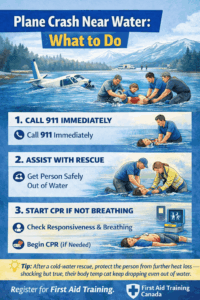 A tragic aviation incident occurred near the Jasper townsite when a small aircraft crashed into the Athabasca River shortly after takeoff.
According to reports from the RCMP, the aircraft experienced difficulties shortly after departing eastbound from the Jasper Airport area. It crashed approximately one mile from the runway into the river.
There were two individuals on board: a 31-year-old passenger and the pilot.
Emergency responders arrived quickly, but tragically, the passenger was declared deceased at the scene. The pilot was found in critical condition and transported by STARS Air Ambulance to a healthcare facility.
Before emergency crews arrived, bystanders at the scene acted immediately. Witnesses helped pull a survivor from the water and began CPR—demonstrating how quick action from the public can play a crucial role in emergency outcomes.
Authorities noted that these early efforts likely contributed to the survival of the pilot, highlighting the importance of immediate first aid response.
Symptoms and Warning Signs After a Crash or Water Rescue
After a crash, individuals may show:
- Unresponsiveness or unconsciousness
- Difficulty breathing or no breathing
- Signs of trauma (pain, inability to move, visible injuries)
- Cold, pale, or wet skin (risk of hypothermia)
- Confusion or disorientation
- Weak or irregular pulse
These signs require urgent attention and monitoring.
Causes and Risk Factors
Aircraft incidents may involve:
- Mechanical or engine failure
- Environmental conditions (wind, visibility)
- Takeoff or landing complications
- Terrain or water hazards
Understanding risks helps reinforce the importance of preparedness and safety awareness.
First Aid Response: What Trained Individuals Learn to Do
In first aid and CPR training across Canada, responders are taught to:
- Ensure scene safety before approaching (especially near water)
- Call emergency services immediately
- Assist with safe removal from water if possible
- Check responsiveness and breathing
- Begin CPR if the person is not breathing normally
- Help keep the individual warm and still
- Continue care until emergency services arrive
These steps reflect standard first aid practices taught in Canadian certification programs.
Unique First Aid Insight: The “Afterdrop Effect” 💡
A lesser-known but important concept in cold-water emergencies is the afterdrop effect:
- After rescue, a person’s body temperature can continue to drop even out of the water
- Sudden movement or improper handling may worsen this effect
What responders learn:
- Handle individuals gently
- Help keep them warm with available materials
- Avoid rapid or unnecessary movement
This insight is especially relevant in Canadian environments, where cold water exposure is a real risk.
Prevention and Workplace / Outdoor Safety Considerations
Across Winnipeg and Manitoba, especially in outdoor and remote settings:
- Ensure proper safety checks before travel or flights
- Be aware of water and terrain hazards
- Carry emergency communication tools
- Encourage CPR and first aid training for workers and travelers
- Promote emergency preparedness in remote environments
Prepared individuals can make a critical difference before emergency services arrive.
Frequently Asked Questions (FAQ)
What should you do if someone is pulled from water after a crash?
Check if they are breathing and responsive. If not breathing normally, CPR may be required. First aid training teaches how to assess breathing and provide support while waiting for emergency services.
Why is CPR important in crash situations?
CPR helps maintain circulation and oxygen flow when breathing or heart function is compromised. Early CPR can improve survival chances in critical emergencies.
What risks exist after being in cold water?
Cold exposure can affect breathing, coordination, and body temperature. Monitoring and keeping the person warm is an important part of first aid response.
Can bystanders safely help in crash situations?
Yes, but only if it is safe to do so. First aid training emphasizes assessing hazards before providing assistance to avoid further harm.
Why is early action so important before paramedics arrive?
Immediate care helps stabilize the person and supports vital functions. In many emergencies, the first few minutes are critical for survival.
Educational Note
This content is for general awareness and reflects commonly taught first aid practices in Canada. It is not a substitute for certified, hands-on CPR and first aid training.
About The Author

Mark Kascha
Certified First Aid Instructor Trainer with 30+ years of real-world experience, including lifeguarding, workplace emergency response, and first aid program development across Canada. Has worked with WorkSafeBC, WSIB, and Manitoba Health.
👉 [View full credentials]🔗 View LinkedIn Profile
Last reviewed: March 2026