Knowing what to do if someone is rescued from a house fire and is not breathing normally is critical. In many fire-related emergencies, smoke inhalation—not flames—is the primary danger. It can quickly reduce oxygen levels and lead to unconsciousness or cardiac arrest. CPR (cardiopulmonary resuscitation) may help maintain circulation until paramedics arrive.
In Canada, CPR and fire safety awareness are essential components of certified first aid training.
First Aid & Workplace Relevance in Winnipeg, Manitoba
House fires can occur in any community, including Winnipeg, Manitoba, from older homes in Downtown Winnipeg to residential neighbourhoods like St. Vital and Transcona.
Homeowners, tenants, maintenance workers, and property managers benefit from CPR training in Winnipeg and first aid certification in Manitoba. Fire safety and emergency preparedness are key parts of workplace and residential safety standards across Canada.
Scenario: Early Morning Fire Leads to Emergency CPR in Glace Bay
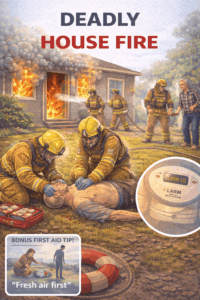 A 54-year-old man lost his life following an early morning fire in a duplex on Concord Street in Glace Bay.
The incident began when a neighbour was alerted to the situation and quickly notified others nearby. One neighbour rushed over, entered the home through the back door, and attempted to assist before emergency crews arrived.
Firefighters responded quickly to reports of smoke and a possible structure fire. Upon entry, they encountered heavy smoke conditions but minimal visible flames. The individual was located inside and removed from the building within seconds.
Once outside, emergency crews immediately began CPR. He was transported to a local healthcare facility but later succumbed to his injuries.
Investigators later determined that the fire was caused by smouldering insulation in the attic, which had concealed a hotspot along a ceiling joist.
This incident highlights how hidden fire sources and smoke can create life-threatening conditions quickly, even when flames are not extensive.
Symptoms / Warning Signs of Smoke Inhalation
A person affected by smoke inhalation may show:
- Difficulty or absence of breathing
- Confusion or disorientation
- Unresponsiveness
- Coughing or signs of airway irritation
- Weak or no pulse
Immediate recognition is essential for a rapid response.
Causes / Risk Factors
Fire-related emergencies can involve:
- Smoke accumulation in enclosed spaces
- Hidden or smouldering fires
- Faulty insulation or electrical issues
- Delayed detection of fire sources
- Lack of ventilation or alarms
Understanding these risks helps support prevention.
First Aid & CPR Response (General Guidance)
Based on standard first aid training practices in Canada, responders are taught to:
- Ensure the scene is safe before entering
- Remove the person from the smoke-filled area if possible
- Check for responsiveness and normal breathing
- Call 911 immediately
- Begin CPR if the person is not breathing normally
- Continue care until emergency services arrive
These steps are commonly taught in first aid and CPR training programs across Canada.
🔹 Additional Insight: The Hidden Danger of Carbon Monoxide in Fires
During fires, carbon monoxide (CO) can build up quickly. It is a colourless, odourless gas that reduces the blood’s ability to carry oxygen. This means a person may lose consciousness without realizing the danger.
This is why Canadian safety guidelines strongly recommend installing carbon monoxide detectors alongside smoke alarms, especially in homes with fuel-burning appliances.
🔹 Bonus First Aid Insight: “Fresh Air First” Principle
A key concept taught in fire-related first aid is:
👉 “Fresh air first.”
Before beginning care, it is critical to move the person to an area with clean air. This helps improve oxygen availability and supports recovery while waiting for advanced care.
Prevention & Home Fire Safety Considerations
To reduce the risk of fire-related emergencies:
- Install and maintain smoke and carbon monoxide detectors
- Regularly inspect insulation, wiring, and heating systems
- Have a clear home fire escape plan
- Avoid overloading electrical circuits
- Promote CPR and first aid training
In Winnipeg and across Manitoba, these precautions are essential for safer homes and communities.
Frequently Asked Questions
What should you do if someone is rescued from a fire and not breathing?
Move them to fresh air, call 911, and begin CPR if they are not breathing normally. Quick action can help maintain oxygen flow until paramedics arrive.
Why is smoke inhalation so dangerous?
Smoke can limit oxygen intake and expose the body to harmful gases like carbon monoxide, which can quickly lead to unconsciousness.
Can a fire be dangerous even with little visible flame?
Yes, smouldering fires and smoke can be just as dangerous as visible flames, especially in enclosed spaces.
Who should take CPR training in Manitoba?
CPR training is recommended for homeowners, workers, and community members. Many programs in Manitoba include fire-related emergency response.
How can house fires be prevented?
Maintaining detectors, checking electrical systems, and following safety practices can reduce the risk of fires.
Educational Note
This content is for general awareness and reflects commonly taught first aid and CPR practices in Canada. Certified training helps individuals respond more effectively during fire and smoke-related emergencies.
About The Author

Mark Kascha
Certified First Aid Instructor Trainer with 30+ years of real-world experience, including lifeguarding, workplace emergency response, and first aid program development across Canada. Has worked with WorkSafeBC, WSIB, and Manitoba Health.
👉 [View full credentials]🔗 View LinkedIn Profile
Last reviewed: March 2026