Knowing what to do if someone is rescued from water and is unresponsive is critical in emergencies involving rivers, lakes, or bridges. In these situations, CPR (cardiopulmonary resuscitation) and the use of an AED (automated external defibrillator) can help support breathing and circulation until paramedics arrive.
These life-saving techniques are commonly taught in certified first aid and CPR courses across Canada and are essential skills for both the public and workplace responders.
First Aid & Workplace Relevance in Winnipeg, Manitoba
While this incident occurred near Abbotsford, similar emergencies can happen in Winnipeg, Manitoba, especially around the Red River, Assiniboine River, and surrounding waterways.
Workers in construction, transportation, marine environments, and public services—as well as community members—benefit from CPR training in Winnipeg and first aid certification in Manitoba. These skills are especially important in areas with bridges, water access points, and high pedestrian or vehicle traffic.
Emergency preparedness is a key part of workplace safety standards across Canada.
Scenario: Bystanders Attempt Rescue After Man Jumps from Mission Bridge
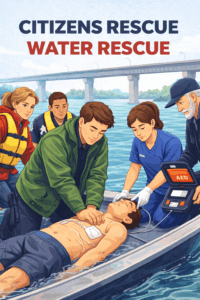 Five citizens were recognized by the Abbotsford Police Board for their efforts in responding to a life-threatening emergency involving a man who jumped from the Mission Bridge into the Fraser River.
Roger Williams, Jessie Garrison, Martin Hanle, Heather Hanle, and Ron Thomas were all acknowledged for their actions.
The incident began when several of them, traveling in separate vehicles, noticed a man stop his vehicle in the middle of the bridge. He exited the vehicle and entered the fast-moving, cold water below.
Acting quickly, two of the witnesses—one with search and rescue experience and another with a healthcare background—assessed the situation and confirmed the individual was still moving in the water. Along with others who had stopped, they coordinated a plan to reach him.
They drove to the Mission Harbour Boat Launch to access a rescue boat. With the help of a marine operator, several of them navigated the Fraser River to locate the individual.
Once found, they brought him out of the water and began CPR immediately. Upon returning to the boat launch, CPR efforts continued with additional assistance until paramedics arrived.
Despite the coordinated and determined response, the individual did not survive. However, local officials recognized that their quick actions gave the person a chance that would not otherwise have been possible.
This situation highlights the importance of teamwork, quick thinking, and first aid knowledge in emergency response.
Symptoms / Warning Signs After Water Rescue
After being pulled from water, a person may show:
- Unresponsiveness
- No normal breathing or gasping
- Weak or absent pulse
- Cold or pale skin
- Lack of movement or responsiveness
These signs indicate the need for immediate emergency response.
Causes / Risk Factors in Water Incidents
Water-related emergencies can involve several factors:
- Strong currents or cold water conditions
- Sudden entry into water from height
- Physical exhaustion or shock
- Environmental hazards
- Limited immediate access to rescue resources
Understanding these risks is important for both prevention and preparedness.
First Aid & CPR / AED Response (General Guidance)
Based on standard first aid training practices in Canada, responders are taught to:
- Ensure the scene is safe before attempting rescue
- Remove the person from the water if it is safe to do so
- Check for responsiveness and normal breathing
- Call 911 immediately
- Begin CPR if the person is not breathing normally
- Use an AED if available and trained to do so
- Continue care until paramedics arrive
These steps are commonly taught in CPR and AED training programs across Canada.
Prevention & Safety Considerations Around Waterways
To reduce the risk of water-related emergencies:
- Avoid unsafe actions near bridges or fast-moving water
- Use proper safety equipment when near water
- Promote awareness in high-risk areas
- Ensure emergency access points are clearly marked
- Encourage community and workplace first aid training
In cities like Winnipeg, where rivers are central to the landscape, these precautions are especially relevant.
Frequently Asked Questions
What should you do if someone is pulled from cold water and is unresponsive?
If the person is not breathing normally, trained responders are taught to call 911 and begin CPR immediately. Quick action can help maintain circulation and improve the chances of survival until emergency services arrive.
Why is CPR important after water rescue?
CPR helps restore circulation and supports oxygen delivery to the brain. In water-related emergencies, early CPR is critical during the time before paramedics can provide advanced care.
When should an AED be used in an emergency?
An AED may be used when a person is unresponsive and not breathing normally. These devices are designed to assist in restoring heart rhythm and are commonly included in public and workplace emergency plans.
Who should receive CPR and AED training in Canada?
CPR and AED training is recommended for workers, community members, and anyone who may encounter emergencies. Many workplaces in Manitoba include this training as part of their safety programs.
What risks are associated with cold water emergencies?
Cold water can lead to rapid loss of body heat and affect breathing and movement. Awareness of environmental conditions and preparedness are important for reducing risk.
Educational Note
This content is for general awareness and reflects commonly taught first aid, CPR, and AED practices in Canada. Certified training helps individuals build confidence and respond effectively in emergency situations.
About The Author

Mark Kascha
Certified First Aid Instructor Trainer with 30+ years of real-world experience, including lifeguarding, workplace emergency response, and first aid program development across Canada. Has worked with WorkSafeBC, WSIB, and Manitoba Health.
👉 [View full credentials]🔗 View LinkedIn Profile
Last reviewed: March 2026