Knowing what to do if someone is pulled from the water and not breathing normally is critical in a drowning emergency. Situations involving lakes, rivers, or recreational watercraft can escalate quickly. CPR (cardiopulmonary resuscitation) is a key emergency response that helps maintain circulation and oxygen flow until paramedics arrive.
In Canada, water safety and CPR are commonly taught together in certified first aid courses, especially for those who spend time around lakes, cottages, or recreational boating areas.
First Aid & Workplace Relevance in Winnipeg, Manitoba
While this incident occurred in Ontario, similar water-related emergencies can happen in Winnipeg, Manitoba, especially around areas like the Red River, Assiniboine River, and nearby lakes used for recreation.
Workers, lifeguards, outdoor staff, and community members benefit from CPR training in Winnipeg and first aid certification in Manitoba, particularly those involved in water-based activities or working near docks, marinas, or public spaces.
Preparedness is especially important during summer months when water recreation increases across Canada.
Scenario: Unmanned Watercraft Leads to Emergency Response in Bay of Quinte
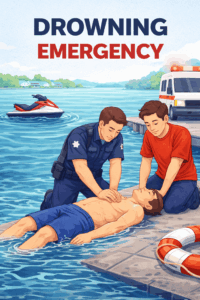 A 33-year-old man from Greater Napanee was found unresponsive after being discovered face-down in the Bay of Quinte. Nearby, a water scooter believed to have been used by the man was seen circling unattended in the water, drawing attention from other boaters.
Earlier, emergency services had been contacted after reports of a man attempting to unload a jet ski at a public boat launch along the eastern edge of the bay. Witnesses noted concerns about his condition at the time.
Police were later informed that two individuals wearing life jackets had been seen riding the jet ski. Not long after, reports came in that CPR was being performed on a man at a nearby residence on County Road 9.
A bystander, along with police, provided CPR until paramedics arrived. Despite these efforts, the man was transported to a healthcare facility where he was later declared deceased.
This incident highlights how quickly water-related emergencies can develop and the important role of bystanders and first responders in providing immediate care.
Symptoms / Warning Signs of Drowning or Water Distress
A person in distress in water may show:
- Struggling to stay afloat
- Uncoordinated movements or silence
- Sudden disappearance below the surface
- Unresponsiveness when removed from water
- Irregular or absent breathing
Recognizing these signs early can help prevent more serious outcomes.
Causes / Risk Factors
Water-related incidents can involve several contributing factors, including:
- Fatigue or loss of balance in water
- Impairment or reduced awareness
- Lack of supervision or safety precautions
- Equipment misuse or unexpected conditions
- Cold water exposure or sudden immersion
Understanding these risks supports safer decision-making around water.
First Aid & CPR Response (General Guidance)
Based on standard first aid training practices in Canada, responders are taught to:
- Ensure personal safety before attempting a rescue
- Remove the person from the water if it is safe to do so
- Check for responsiveness and normal breathing
- Call 911 immediately
- Begin CPR if the person is not breathing normally
- Continue care until emergency services arrive
In many cases, CPR combined with rapid emergency response is emphasized in emergency response training across Canada.
Prevention & Water Safety Considerations
Preventing water-related emergencies involves awareness and preparation:
- Always wear properly fitted life jackets
- Avoid operating watercraft under unsafe conditions
- Never swim or boat alone in unfamiliar areas
- Ensure supervision around water activities
- Promote water safety training and emergency preparedness
In Manitoba and across Canada, these practices are widely encouraged to reduce risk in recreational environments.
Frequently Asked Questions
What should you do if someone is pulled from the water and not breathing?
If a person is not breathing normally after being removed from water, trained individuals are taught to call 911 immediately and begin CPR. Quick action can help maintain oxygen flow to vital organs until paramedics arrive.
Why is CPR important in drowning situations?
CPR helps restore circulation and supports oxygen delivery to the brain. In drowning emergencies, early CPR can improve the chances of survival during the critical minutes before emergency medical care is available.
Can bystanders safely help in water emergencies?
Bystanders can help if it is safe to do so. Many first aid programs in Canada emphasize avoiding personal risk and using safe rescue techniques while waiting for trained responders.
Who should take water safety and CPR training?
Anyone who spends time near water, including workers, boaters, parents, and outdoor enthusiasts, can benefit from CPR and first aid training. These skills are commonly taught in certified programs across Canada.
What increases the risk of drowning incidents?
Factors such as fatigue, lack of safety equipment, environmental conditions, and reduced awareness can increase the risk. Awareness and preparation are key components of prevention.
Educational Note
This content is for general awareness and reflects commonly taught first aid and CPR practices in Canada. Training through certified programs helps individuals respond more confidently in water-related emergencies.
About The Author

Mark Kascha
Certified First Aid Instructor Trainer with 30+ years of real-world experience, including lifeguarding, workplace emergency response, and first aid program development across Canada. Has worked with WorkSafeBC, WSIB, and Manitoba Health.
👉 [View full credentials]🔗 View LinkedIn Profile
Last reviewed: March 2026