Knowing what to do if someone collapses and stops breathing can save a life. Cardiac arrest can happen without warning, even in everyday places like schools, parks, or workplaces. CPR (cardiopulmonary resuscitation) is a critical emergency response that helps keep oxygen flowing to the brain and vital organs until paramedics arrive.
In Canada, CPR is a core skill taught in certified first aid courses and is widely recognized as a key part of emergency response training.
First Aid & Workplace Relevance in Winnipeg, Manitoba
Situations like this can happen anywhere — including Winnipeg, Manitoba, whether in schoolyards in St. Vital, parks in Transcona, or busy public areas in Downtown Winnipeg.
Parents, teachers, school staff, coaches, and workers across Manitoba benefit from CPR training in Winnipeg and first aid certification in Manitoba. These skills are especially important in environments where children and the public gather, as quick action can significantly improve outcomes during emergencies.
Workplace and community safety programs across Canada continue to emphasize the importance of emergency response training for both adults and youth.
Scenario: Young Boy Helps Guide Emergency Crews in Burnaby Rescue
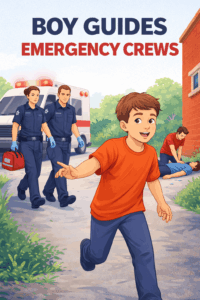 An eight-year-old boy played an important role in helping save a life after a sudden emergency near Lochdale Community School in North Burnaby.
The boy and his father had arrived at the school to retrieve a soccer ball. Shortly after getting out of their vehicle, they were approached by a man who appeared to be in distress and urgently asked for help.
The man was located behind the school in a somewhat hidden area, away from immediate visibility. Recognizing the seriousness of the situation, the father called 911 and began CPR. Meanwhile, the young boy took initiative and ran to guide emergency crews to the exact location, helping them reach the scene quickly.
Thanks to the coordinated response — early CPR and fast emergency access — the man survived.
BC Ambulance later recognized both the boy and his father with the Vital Link Award, which honours individuals who assist in cardiac arrest emergencies. The boy was noted as the youngest recipient, demonstrating calm thinking and the ability to follow direction during a high-pressure situation.
This real-life example highlights how awareness, teamwork, and basic first aid knowledge can make a meaningful difference.
Symptoms / Warning Signs of Cardiac Arrest
A person experiencing cardiac arrest may show:
- Sudden collapse
- No normal breathing or only gasping
- Unresponsiveness
- No detectable pulse
- Possible signs of distress just before collapse
Recognizing these signs quickly is essential for starting an effective response.
Causes / Risk Factors
Cardiac arrest can occur due to various underlying factors, including:
- Heart-related conditions
- Sudden electrical disturbances in the heart
- Physical stress or exertion
- Unknown medical issues
- Age-related or unexpected health events
In many cases, it happens without warning, which is why preparedness is so important.
First Aid & CPR Response (General Guidance)
Based on standard first aid training practices in Canada, responders are taught to:
- Check for responsiveness and normal breathing
- Call 911 immediately
- Begin CPR if the person is not breathing normally
- Send someone to guide emergency services if the location is hard to find
- Continue care until paramedics arrive
Automated External Defibrillators (AEDs), when available, are also used alongside CPR and are included in many AED training programs in Canada.
Prevention & Workplace / Community Considerations
While not all cardiac events can be prevented, preparedness can improve outcomes:
- Encourage CPR training in schools and workplaces
- Ensure clear access routes for emergency responders
- Install AEDs in public and community spaces
- Promote awareness among staff, parents, and youth
- Practice emergency response planning in facilities
Across Winnipeg and Manitoba, these measures are part of building safer communities.
Frequently Asked Questions
What should you do if someone collapses in a public place?
If a person collapses and is not breathing normally, trained individuals are taught to call 911 immediately and begin CPR. Quick action helps maintain circulation until emergency responders arrive, which is a key principle in Canadian first aid training.
Can children help during an emergency?
Yes, children can play supportive roles such as calling for help, guiding responders, or assisting under adult direction. Many first aid programs in Canada encourage age-appropriate awareness so youth can respond calmly and effectively.
Why is early CPR important in cardiac arrest?
Early CPR helps maintain blood flow to the brain and vital organs. This support can improve survival chances during the critical minutes before paramedics arrive, which is why it is emphasized in CPR training across Canada.
What is the role of an AED in emergencies?
An AED can help restore a normal heart rhythm during cardiac arrest. These devices are designed for public use and are commonly included in workplaces and community spaces as part of emergency preparedness.
Who should take CPR training in Manitoba?
CPR training is valuable for workers, teachers, parents, and community members. In Manitoba, many workplaces and organizations encourage certification to improve safety and emergency readiness.
Educational Note
This content is for general awareness and reflects commonly taught first aid and CPR practices in Canada. Learning these skills through certified training helps individuals respond more confidently in real-world emergencies.
About The Author

Mark Kascha
Certified First Aid Instructor Trainer with 30+ years of real-world experience, including lifeguarding, workplace emergency response, and first aid program development across Canada. Has worked with WorkSafeBC, WSIB, and Manitoba Health.
👉 [View full credentials]🔗 View LinkedIn Profile
Last reviewed: March 2026