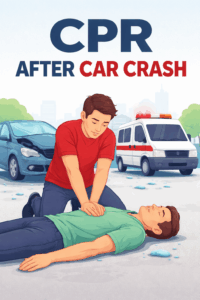
Knowing what to do if someone becomes unresponsive after a car crash can make a critical difference. Cardiopulmonary resuscitation (CPR) is a life-saving technique used when a person is not breathing normally or shows no signs of circulation. It helps maintain blood flow to the brain and vital organs until emergency medical services arrive.
In Canada, CPR and first aid training are commonly taught in certified courses and are considered essential skills for responding to emergencies in public spaces, workplaces, and on the road.
First Aid & Workplace Relevance in Winnipeg, Manitoba
 Although this incident occurred in Vancouver, similar emergencies can happen anywhere — including Winnipeg, Manitoba, from busy intersections in Downtown Winnipeg to residential areas like St. Vital or Transcona.
Workplace safety regulations across Manitoba encourage employees, supervisors, teachers, and even parents to have basic first aid and CPR training. Whether it’s a motor vehicle collision, workplace incident, or public emergency, being prepared to respond can help stabilize a situation until paramedics arrive.
Training such as CPR training in Winnipeg and first aid certification in Manitoba equips individuals with the confidence to act quickly and appropriately.
Scenario: Crash in South Vancouver Leads to Emergency CPR Response
A 28-year-old driver was seriously injured after crashing into two parked vehicles in South Vancouver near Main Street and East 42nd Avenue. The gray Acura he was driving collided with a Land Rover and another parked vehicle, prompting an immediate emergency response.
Police began investigating the cause of the collision while emergency crews arrived on scene. Due to the severity of the crash, responders had to use specialized rescue tools to carefully remove the driver from the vehicle.
Witnesses reported that the man appeared to be in critical condition. During this time, CPR was performed for several minutes before he was transported to hospital with serious injuries.
The incident temporarily closed a section of Main Street overnight, highlighting how quickly a traffic emergency can escalate and impact both individuals and the surrounding community.
Situations like this demonstrate how bystander awareness and emergency response training can play an important role before advanced care arrives.
Symptoms / Warning Signs After a Serious Crash
After a vehicle collision, a person may show signs that require immediate attention, including:
- Unresponsiveness or unconsciousness
- Irregular or absent breathing
- Weak or no detectable pulse
- Confusion or disorientation
- Visible injuries or inability to move
Recognizing these warning signs quickly is a key part of effective first aid response.
Causes / Risk Factors in Vehicle Collisions
While investigations may still be ongoing in incidents like this, common contributing factors in crashes can include:
- Driver distraction or fatigue
- Medical emergencies while driving
- Speed or loss of vehicle control
- Road or weather conditions
- Impairment or reduced reaction time
Understanding these risks reinforces the importance of both prevention and preparedness.
First Aid & CPR Response (General Guidance)
Based on standard first aid training practices in Canada, responders are taught to:
- Ensure the scene is safe before approaching
- Check for responsiveness and normal breathing
- Call emergency services (911 in Canada)
- Begin CPR if the person is not breathing normally
- Continue care until trained medical personnel arrive
Automated External Defibrillators (AEDs), when available, are also commonly used alongside CPR and are part of many AED training programs in Canada.
Prevention & Workplace Safety Considerations
Preventing serious injuries from vehicle incidents involves both safe driving practices and emergency preparedness:
- Follow road safety laws and remain attentive while driving
- Ensure workplaces have emergency response plans
- Encourage staff to complete emergency response training in Canada
- Maintain access to first aid kits and AEDs where possible
- Promote awareness in high-traffic areas and job sites
In cities like Winnipeg, where commuting and transportation are part of daily life, these measures are especially relevant.
Frequently Asked Questions
What should you do if someone is unresponsive after a car crash?
If a person is unresponsive and not breathing normally, trained individuals are taught to call 911 immediately and begin CPR. Acting quickly can help maintain circulation until emergency responders arrive, which is a key principle taught in first aid courses across Canada.
How does CPR help after a serious accident?
CPR helps keep oxygenated blood flowing to the brain and vital organs when the heart or breathing has stopped. This support can improve the chances of survival during the critical minutes before professional medical care is available.
Who should learn CPR in Canada?
CPR training is recommended for workers, teachers, parents, and anyone who may encounter emergencies. In Manitoba, many workplaces encourage or require certification as part of their health and safety programs.
Are AEDs used in car crash emergencies?
AEDs may be used if a person experiences cardiac arrest following a crash. These devices are designed to be used by trained individuals and are commonly included in public and workplace emergency preparedness plans.
Why is fast emergency response important after a crash?
Immediate action, including calling 911 and providing first aid, can help stabilize the injured person and reduce complications. Early response is widely emphasized in CPR and first aid training programs throughout Canada.
Educational Note
This content is for general awareness and reflects commonly taught first aid and CPR practices in Canada. Training through certified programs helps individuals build the confidence and skills needed to respond effectively in real-life emergencies.
About The Author

Mark Kascha
Certified First Aid Instructor Trainer with 30+ years of real-world experience, including lifeguarding, workplace emergency response, and first aid program development across Canada. Has worked with WorkSafeBC, WSIB, and Manitoba Health.
👉 [View full credentials]🔗 View LinkedIn Profile
Last reviewed: March 2026