
Why First Aid and CPR Training Matters: Lessons from a Fatal Jasper Plane Crash

In emergencies, the actions taken in the first few minutes can mean the difference between life and death. A tragic plane crash near Jasper, Alberta, serves as a powerful reminder of how critical first aid and CPR training can be when unexpected disasters occur.

What Happened?

According to CTV News Edmonton, the Transportation Safety Board of Canada (TSB) has officially closed its investigation into a fatal plane crash that occurred on July 21, 2019. The aircraft departed from Jasper Airport and was en route to Hinton, Alberta.

The investigation report states that the plane climbed for approximately 25 seconds, reaching an altitude of 150 feet. Investigators determined that the engine and flight controls were operating normally prior to impact and that the aircraft was within certified weight and balance limits.

Approximately 800 metres from the airport, the plane’s speed dropped from 83 miles per hour to 64 miles per hour. As a result, the aircraft entered an aerodynamic stall, spun to the left, and crashed into the Athabasca River.

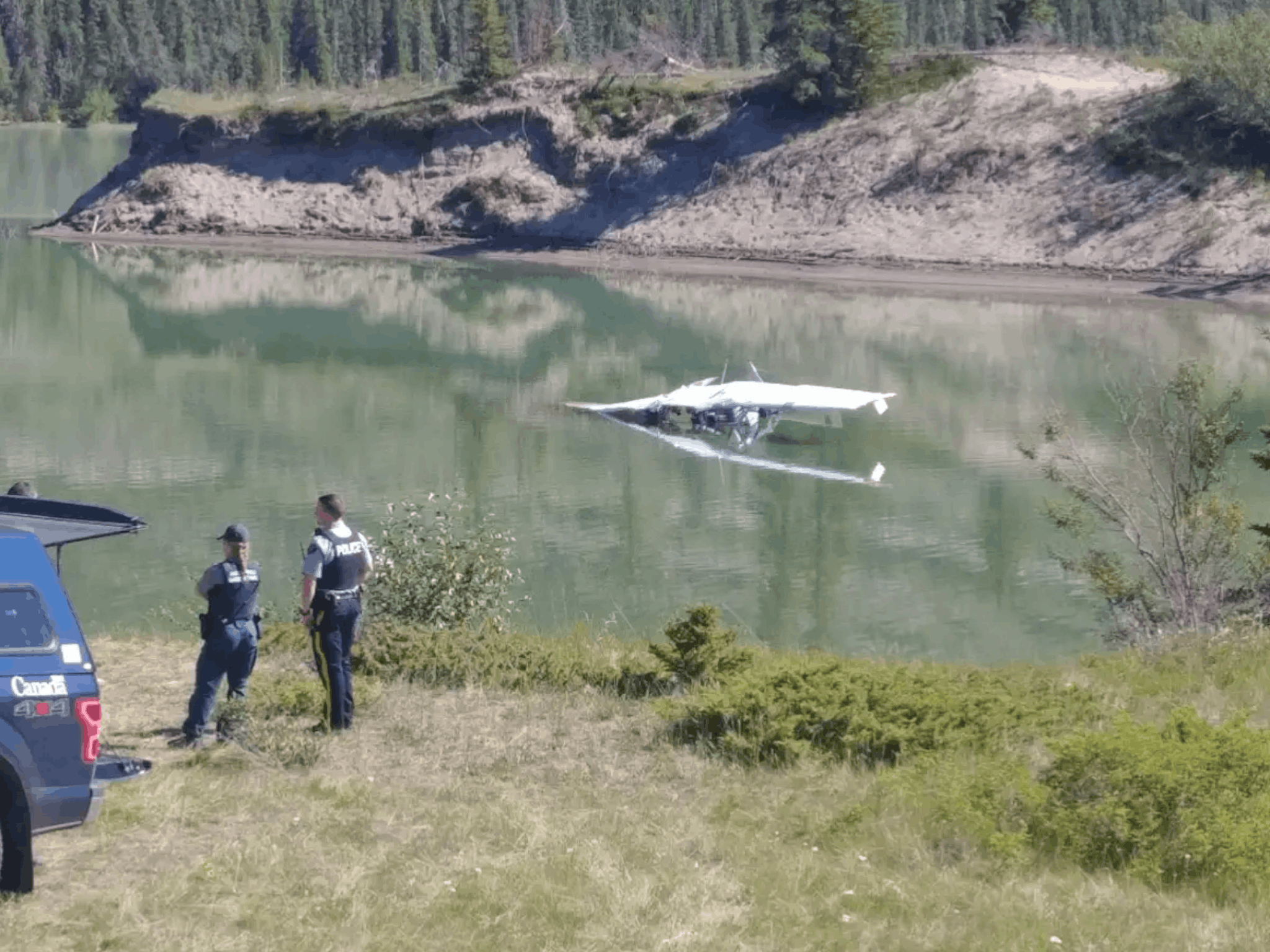
Small aircraft partially submerged in the Athabasca River near Jasper, Alberta, as emergency responders assess the crash scene.
Emergency responders examine a small aircraft after it crashed into the Athabasca River near Jasper, Alberta.

Tragically, the passenger was killed, and the pilot sustained injuries.

You can read the full investigation summary and witness accounts in the original CTV News Edmonton report here: 👉 Fatal Jasper plane crash investigation closed by TSB

The Role of Bystanders

Before RCMP officers and emergency medical services arrived, nearby motorists stopped to help. Video footage obtained by CTV News Edmonton shows several bystanders rushing into the water to pull the victims from the wreckage while others immediately began administering CPR.

The TSB investigation team later confirmed that all major components of the aircraft were found at the crash site and noted that the wing flaps were in the retracted position at the time of impact.

Although the outcome was devastating, the response from witnesses highlights how important it is for everyday people to have first aid and CPR training before an emergency happens.

Why First Aid and CPR Training Is Important

Emergencies don’t wait for professionals to arrive. Whether it’s a plane crash, motor vehicle collision, sudden cardiac arrest, or workplace incident, trained bystanders are often the first and most important source of help.

Enrolling in a first aid and CPR course is a valuable investment. These courses teach you how to:

  • Respond quickly and confidently in emergencies

  • Perform CPR and use an AED effectively

  • Provide care until emergency responders arrive

Learn More

Being prepared saves lives. You can also learn more about CPR and emergency response from these trusted sources:

About The Author

Mark Kascha

Certified First Aid Instructor Trainer with 30+ years of real-world experience, including lifeguarding, workplace emergency response, and first aid program development across Canada. Has worked with WorkSafeBC, WSIB, and Manitoba Health.

👉 [View full credentials]🔗 View LinkedIn Profile

Last reviewed: March 2026

Serving Winnipeg and south Manitoba with the cheapest priced, highest quality first aid training, CPR and food safety courses since 2012 with a commitment to providing the best classes to Canadians.

Shopping Cart
Scroll to Top
Call Now Button
Maple Leaf Choose locally-owned, Canadian-operated businesses with no connections or partnerships to American corporate entities. Maple Leaf
This is default text for notification bar