
Ottawa Hockey Player Saved After Heart Attack on the Ice
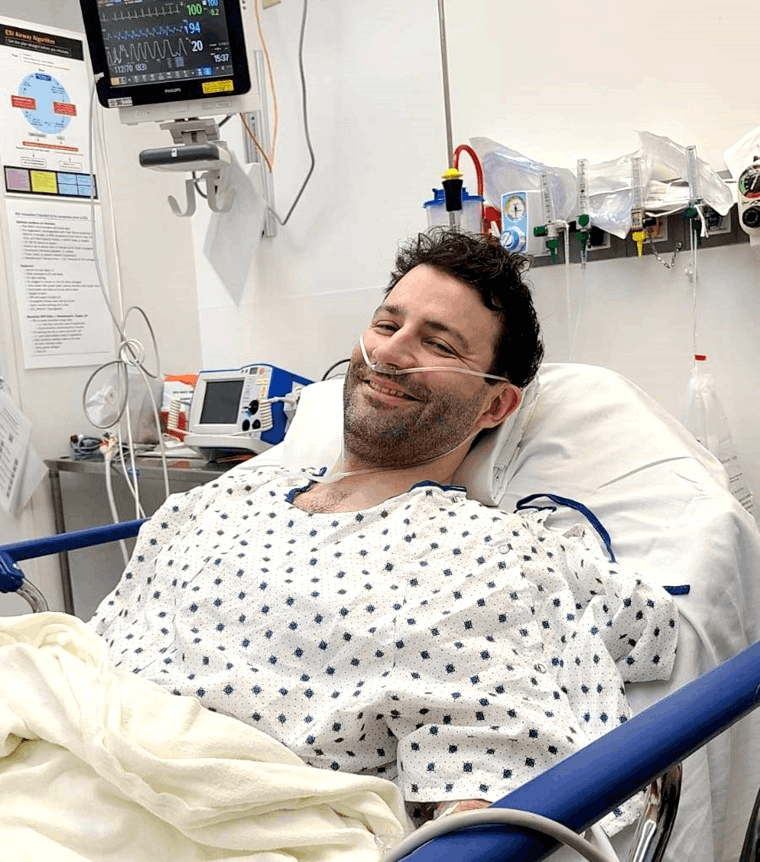
An Ottawa recreational hockey player is alive today thanks to the fast response of his teammates and the availability of an automated external defibrillator (AED) after he suffered a heart attack during a men’s league hockey game.
Brent Bradley, 61, collapsed on the ice Friday night while playing at the Kanata Recreation Complex in west Ottawa. What could have been a tragic outcome quickly became a powerful example of how CPR training, teamwork, and access to AEDs can save lives.
Quick Action Made the Difference
As Bradley fell to the ice, players immediately rushed to his aid. Among them was off-duty firefighter Pat Aubry, who began cardiopulmonary resuscitation (CPR) without hesitation. Aubry then retrieved and used an on-site AED, delivering a shock that helped revive Bradley.
CBC sports broadcaster Dan Séguin, a teammate who witnessed the collapse, also began CPR while Aubry grabbed the defibrillator.
“He just collapsed, crumbled in front of me,” Séguin said, later crediting Aubry’s quick response as the key factor in saving Bradley’s life.
The Kanata Recreation Complex was well prepared for emergencies, with two AEDs available on site, highlighting how proper emergency preparedness in public facilities can make a life-saving difference.
Recovering After a Life-Threatening Emergency
Bradley later spoke to CBC News from the hospital, describing the physical toll of the experience.
“Physically, I feel like I’ve been hit by a Mac truck,” he said, while expressing gratitude to those who acted so quickly.
More details about this life-saving incident can be found in the original CBC News article here:👉 Ottawa hockey player saved after heart attack
Four Cardiac Emergencies. Four Lives Saved.
This incident marked the fourth sports-related cardiac emergency in Ottawa in one week where the “chain of survival” — early recognition, immediate CPR, and rapid defibrillation — successfully saved a life.
Other recent incidents included:
A 41-year-old man revived after collapsing while playing hockey at Minto Arena
A 66-year-old man saved after suffering cardiac arrest at an RCMP curling rink
A 79-year-old man revived at the West Ottawa Tennis Club
In each case, CPR and AED use played a critical role in survival.
Why CPR and AED Training Matters
Ottawa paramedics report that defibrillators are installed in more than 700 community centres and schools, and are designed to be simple and safe for public use.
“If you start CPR and AED, you have a 60 per cent chance of bringing that person back,” said Jocelyne Marciano, coordinator of the community paramedic program.
These real-life emergencies show that cardiac arrest can happen anywhere — including recreational sports — and that ordinary people with training can save lives.
Learn CPR. Be Ready to Save a Life.
Knowing how to perform CPR and use an AED can mean the difference between life and death. With proper training, you can act confidently in an emergency before paramedics arrive.
If you’re looking to build these essential life-saving skills, consider enrolling in a CPR and AED training course through Winnipeg First Aid. These courses are designed to prepare individuals, workplaces, and community members to respond quickly and effectively during cardiac emergencies.
Learn More About CPR and AED Training
About The Author
Mark Kascha
Certified First Aid Instructor Trainer with 30+ years of real-world experience, including lifeguarding, workplace emergency response, and first aid program development across Canada. Has worked with WorkSafeBC, WSIB, and Manitoba Health.
👉 [View full credentials]🔗 View LinkedIn Profile
Last reviewed: March 2026
Serving Winnipeg and south Manitoba with the cheapest priced, highest quality first aid training, CPR and food safety courses since 2012 with a commitment to providing the best classes to Canadians.
