What to Do If Someone Has a Severe Allergic Reaction: First Aid Guide in Canada
Knowing what to do if someone has a severe allergic reaction (anaphylaxis) or how to respond when a person suddenly collapses after an insect sting is critical. These reactions can develop rapidly—even in people with no known allergies—and require immediate first aid awareness and action.
In Winnipeg and across Manitoba, outdoor activities, gardening, and yard work increase exposure to insects like wasps and bees. This makes CPR training Winnipeg and first aid certification Manitoba highly relevant for families, workers, and property owners.
First Aid & Workplace Relevance in Canada
Across Canada, allergic reaction awareness is important for:
- Outdoor workers and landscapers
- Farmers and property owners
- Teachers, childcare providers, and camp staff
- Anyone spending time outdoors or around insects
In Winnipeg neighbourhoods like Transcona and St. Vital, where green spaces and yards are common, knowing how to respond to anaphylaxis, airway obstruction, and sudden collapse is essential.
First aid training programs in Canada often include recognizing severe allergic reactions, using epinephrine auto-injectors, and CPR.
Scenario Story: Sudden Fatal Reaction to a Wasp Sting
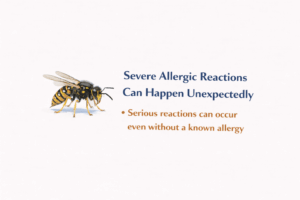 A tragic incident in Maple Grove highlights how unpredictable allergic reactions can be.
Daniel Koch, a 43-year-old man, was checking beneath a table on his family property to locate a wasp nest after a recent sting incident involving his mother. While inspecting the area, a wasp flew out and stung him on the face.
Within minutes, his father noticed something was seriously wrong—Daniel collapsed suddenly.
The family, experienced with bees and equipped with an epinephrine auto-injector, acted quickly. His father administered the EpiPen and began CPR while arranging transport to the hospital.
Despite these immediate efforts, Daniel passed away on the way to receive further care.
Medical findings later confirmed that he experienced a severe allergic reaction (anaphylaxis) that caused his airway to close rapidly.
What makes this case especially concerning is that Daniel had been stung before and had no previous history of severe allergic reactions.
Experts note that while rare, life-threatening allergic reactions can develop unexpectedly at any stage of life, particularly in adults.
A Unique First Aid Insight: “Allergies Can Appear Without Warning”
One surprising and important fact taught in first aid training is:
➡️ A person can experience a severe, life-threatening allergic reaction even if they have never had one before.
This means:
- Previous mild reactions do not guarantee future safety
- The body’s immune response can change over time
- The location of the sting (such as the face or neck) may increase risk due to faster swelling near the airway
This is why first aid training in Canada emphasizes recognizing symptoms quickly—even in people with no known allergies.
Symptoms / Warning Signs of Severe Allergic Reaction
Watch for signs such as:
- Difficulty breathing or swallowing
- Swelling of the face, lips, or throat
- Sudden collapse or unresponsiveness
- Hives or skin reactions
- Dizziness or confusion
These symptoms can progress quickly and require urgent attention.
Causes / Risk Factors
Factors that may increase risk include:
- Insect stings (wasps, bees, hornets)
- Outdoor exposure or disturbing nests
- Age (adults over 40 may have higher risk)
- Underlying health conditions
- Certain medications
Even without known allergies, reactions can still occur.
First Aid Response for Severe Allergic Reactions
Based on standard first aid training practices in Canada, general response includes:
- Calling emergency services immediately
- Using an epinephrine auto-injector if available
- Helping the person remain calm and still
- Monitoring breathing and responsiveness
- If unresponsive and not breathing normally, CPR may be required
These steps are commonly taught in certified CPR and first aid courses across Canada.
Prevention & Workplace Considerations
To reduce risk in Manitoba and across Canada:
- Be cautious when near nests or insect activity
- Wear protective clothing during yard work
- Keep emergency plans in place for allergic reactions
- Ensure workplaces have trained staff and first aid kits
- Educate teams and families about recognizing symptoms early
Preparedness is key, especially in outdoor environments.
FAQ
Can someone have a severe allergic reaction without prior warning?
Yes, severe allergic reactions can occur even without a previous history. This is why awareness and quick response are important.
What should you do if someone collapses after a sting?
Call emergency services immediately, monitor breathing, and provide first aid as needed. CPR may be required if the person is not breathing normally.
Why is the location of a sting important?
Stings near the face or neck may cause swelling that affects breathing more quickly, increasing the urgency of the situation.
Who should take first aid training in Winnipeg?
Anyone can benefit, especially those who spend time outdoors, work in physical environments, or care for others.
How does CPR help in severe allergic reactions?
If breathing stops, CPR helps maintain circulation and oxygen flow until emergency medical care is available.
Educational Note
This content is for general awareness and reflects commonly taught practices in first aid and CPR training across Canada. Hands-on training helps individuals respond more confidently in real-life emergencies.
About The Author

Mark Kascha
Certified First Aid Instructor Trainer with 30+ years of real-world experience, including lifeguarding, workplace emergency response, and first aid program development across Canada. Has worked with WorkSafeBC, WSIB, and Manitoba Health.
👉 [View full credentials]🔗 View LinkedIn Profile
Last reviewed: March 2026