
Man Saved by MRU Students Donates Defibrillators to Help Others
A routine squash game at Mount Royal University quickly turned into a life-threatening emergency for Ayaz Kara—but thanks to fast action and proper first aid training, it also became a powerful story of survival and giving back.
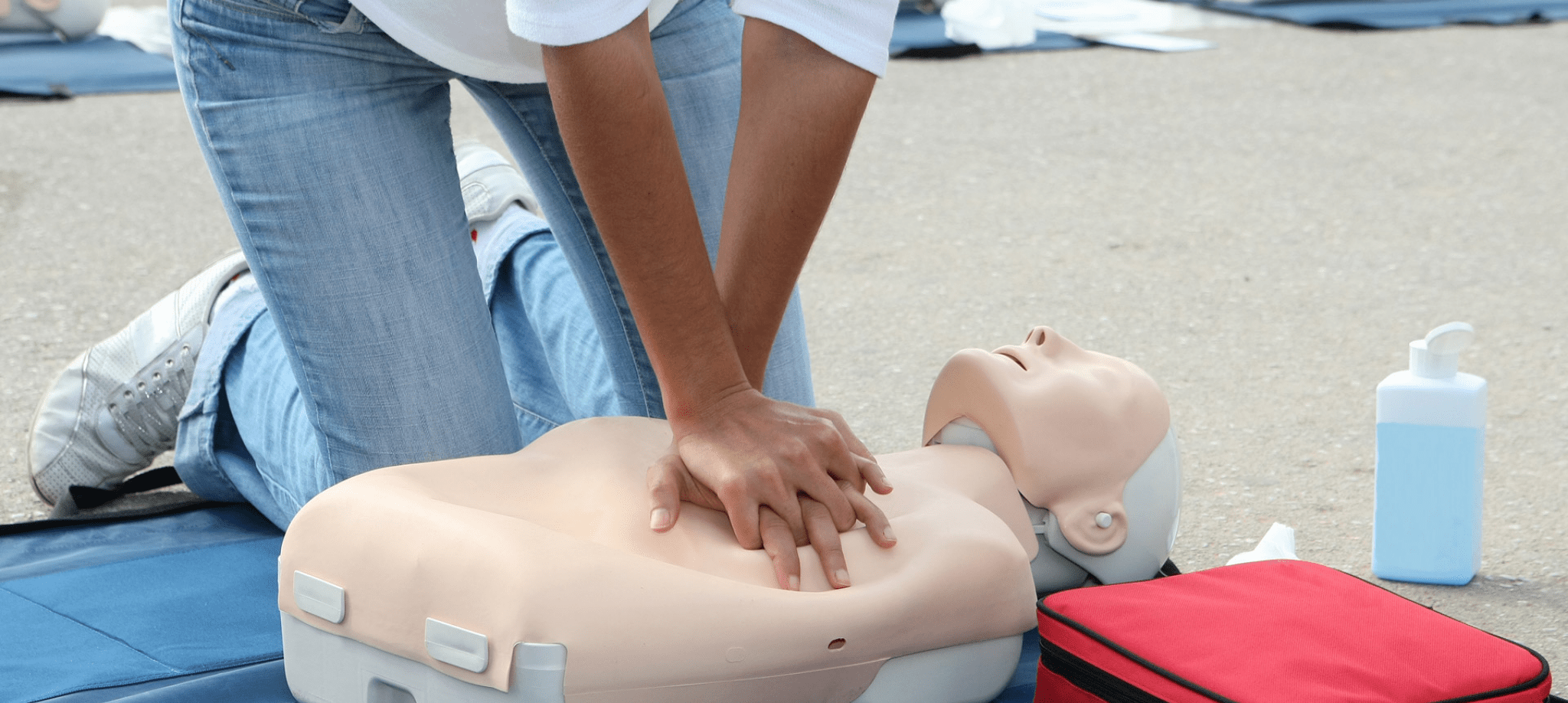
In January 2014, Kara suffered a sudden heart attack in a locker room after finishing a game at the university’s squash courts. Three Mount Royal University students, all trained in first aid, immediately recognized the emergency. They began cardiopulmonary resuscitation (CPR) and used an automated external defibrillator (AED) to deliver a life-saving shock that helped restart his heart.
Their quick response saved his life.
Turning Gratitude Into Action
Deeply grateful for the care he received, Kara chose to give back in a meaningful way. He donated five additional AEDs to Mount Royal University, hoping the devices would help save others facing similar medical emergencies.
“I think what happened to me shows that a lot of people can be saved if they get the right treatment at the right time,” Kara said in an interview with CBC News. He also shared plans to continue fundraising so more AEDs can be placed in public spaces where they are needed most.
You can read the full original CBC News report on this life-saving incident here:
👉 Man saved by MRU students donates defibrillators to school
Why CPR and AEDs Save Lives
Sudden cardiac arrest can strike without warning and often occurs outside of hospitals. CPR helps keep oxygen flowing to vital organs, while AEDs analyze heart rhythm and deliver a shock only if necessary to restore a normal heartbeat.
According to the Heart and Stroke Foundation, approximately 40,000 cardiac arrests occur each year in Canada. When CPR is performed quickly and an AED is used, survival rates can increase by 75 percent or more.
This is why learning CPR and AED skills is so important. Enrolling in recognized training—such as CPR and AED courses offered by Winnipeg First Aid—can prepare everyday people to act confidently during cardiac emergencies.
The Importance of First Aid Training
The students who saved Kara’s life were not medical professionals—they were trained individuals who knew how to act under pressure. Their knowledge, confidence, and access to an AED made the difference between life and death.
Emergencies can happen anywhere—gyms, schools, workplaces, or public spaces. When people are trained in CPR and AED use, communities become safer for everyone.
About The Author
Mark Kascha
Certified First Aid Instructor Trainer with 30+ years of real-world experience, including lifeguarding, workplace emergency response, and first aid program development across Canada. Has worked with WorkSafeBC, WSIB, and Manitoba Health.
👉 [View full credentials]🔗 View LinkedIn Profile
Last reviewed: March 2026
Serving Winnipeg and south Manitoba with the cheapest priced, highest quality first aid training, CPR and food safety courses since 2012 with a commitment to providing the best classes to Canadians.
