
Thunder Bay Paramedics Volunteer to Improve Low CPR Rates and Save Lives

A low rate of bystander CPR in Thunder Bay is pushing local paramedics to take action in hopes of saving more lives. According to emergency responders, the lack of immediate CPR before their arrival often puts patients at a serious disadvantage, turning already critical situations into uphill battles.

In response, the Superior North Association of Professional Paramedics has launched a new community initiative aimed at empowering residents with basic, life-saving skills. Beginning in October, volunteer paramedics will offer free, simplified CPR lessons designed to remove common barriers such as cost, time commitment, and fear of doing something wrong.

Why Bystander CPR Matters

The program was developed after paramedics reviewed local data showing that Thunder Bay’s bystander CPR rate is alarmingly low. According to association president Ryan Ross, fewer than 25 per cent of cardiac arrest victims receive CPR before emergency crews arrive.

That delay can be devastating. When the heart stops, oxygen-rich blood no longer reaches the brain. Within about five minutes, irreversible brain damage can begin. Without CPR being performed on scene, a patient’s chances of survival — and meaningful recovery — drop sharply.

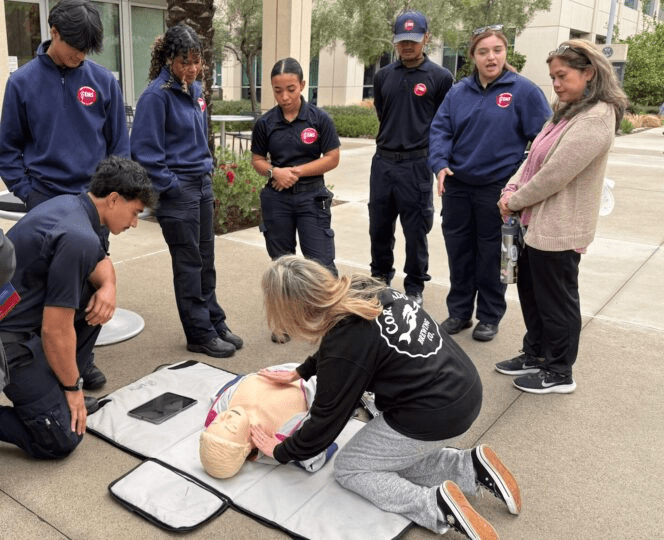
Paramedics conducting hands-only CPR training during a community first aid workshop to improve bystander response skills-min
Volunteer paramedics demonstrate hands-only CPR techniques during a free community training session to boost bystander response rates

Most cardiac arrest calls happen in homes, meaning family members or bystanders are often present. Yet paramedics say they are frequently the first to begin CPR upon arrival.

“There’s nothing more frustrating than responding to a cardiac arrest where no one has been doing CPR for five or ten minutes,” Ross explained. “By that point, we’re already facing an uphill battle.”

Free “Hands-Only” CPR Training

To help close this gap, the association’s free courses will focus on hands-only CPR, which involves continuous chest compressions without mouth-to-mouth breathing. Each session lasts about an hour and is taught by volunteer paramedics. While the classes do not offer certification, they are designed to build confidence and encourage people to act quickly in emergencies.

Paramedics also stress the importance of formal CPR training. Learning proper CPR and AED use through certified programs — such as those offered by Winnipeg First Aid — can significantly improve outcomes during cardiac emergencies. Structured CPR and AED courses help participants recognize cardiac arrest, perform high-quality chest compressions, and use defibrillators effectively until help arrives A Community Effort That Saves Lives

Early CPR can double or even triple a person’s chance of survival. By making CPR education accessible and Encouraging further training paramedics hope more people will feel prepared to step in when every second counts.

For full details on the paramedics’ initiative and community response, you can read the original report published by CBC News here:
👉 Thunder Bay Paramedics volunteering to teach classes in bid to improve low CPR rates, save lives

About The Author

Mark Kascha

Certified First Aid Instructor Trainer with 30+ years of real-world experience, including lifeguarding, workplace emergency response, and first aid program development across Canada. Has worked with WorkSafeBC, WSIB, and Manitoba Health.

👉 [View full credentials]🔗 View LinkedIn Profile

Last reviewed: March 2026

Serving Winnipeg and south Manitoba with the cheapest priced, highest quality first aid training, CPR and food safety courses since 2012 with a commitment to providing the best classes to Canadians.

Shopping Cart
Scroll to Top
Call Now Button