Knowing what to do if someone suddenly collapses outdoors or how to respond when a person becomes unresponsive during physical activity is critical—especially in remote environments like biking or hiking trails. In these situations, early CPR and emergency response awareness can play a vital role while waiting for help.
In Winnipeg and across Manitoba, outdoor recreation is common in parks, trails, and river pathways. This makes CPR training Winnipeg and first aid certification Manitoba especially valuable for cyclists, hikers, and outdoor enthusiasts.
First Aid & Workplace Relevance in Canada
Across Canada, outdoor and remote emergency response skills are important for:
- Cyclists, hikers, and trail users
- Outdoor workers and park staff
- Coaches, guides, and recreational leaders
- Anyone spending time in less accessible environments
In areas like Winnipeg’s trail systems, including routes near St. Vital and Assiniboine Park, emergency services may take longer to arrive—making bystander CPR and quick response even more important.
Scenario Story: CPR Efforts on Cumberland Mountain Trail
A tragic incident near Cumberland Watershed highlights the importance of immediate action in remote settings.
A man was found unresponsive along the popular “Blockhead” mountain biking trail. The discovery was made by three visiting cyclists from England, who had seen the man riding just minutes earlier before coming across him on the trail.
Realizing the seriousness of the situation, the trio quickly called 911 and began CPR. Despite challenging conditions—including a wet, rocky trail and heavy rain—they continued their efforts for approximately 40 minutes until emergency responders arrived.
Firefighters, ambulance personnel, and RCMP attended the difficult-to-access location. The area is known for mountain biking activity, and responders are familiar with injuries occurring on these trails.
Despite the sustained CPR efforts, the man could not be revived. The BC Coroner’s Service is investigating the circumstances surrounding the incident.
This situation reflects how bystanders often become the first responders in remote emergencies—and how their actions can be critical, even in difficult conditions.
A Unique First Aid Insight: “Hands-Only CPR Can Be More Effective Outdoors”
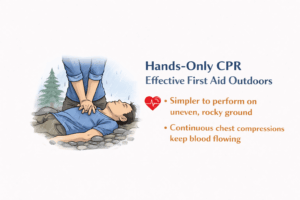 A surprising concept emphasized in many Canadian CPR courses is that hands-only CPR (chest compressions without breaths) can be especially practical—and effective—in outdoor emergencies.
In situations like this:
- Terrain may be uneven or unsafe
- Weather conditions (rain, mud) can complicate rescue
- Barriers to providing rescue breaths may exist
Hands-only CPR focuses on continuous chest compressions, helping maintain blood flow without interruption.
This approach is commonly taught in emergency response training across Canada and can make it easier for bystanders to act quickly and confidently.
Symptoms / Warning Signs of Sudden Collapse
When someone collapses unexpectedly, watch for:
- Unresponsiveness
- Absence of normal breathing
- Sudden loss of movement or coordination
- No visible reaction to voice or touch
- Possible signs of trauma from a fall
These may indicate cardiac arrest or a serious medical emergency.
Causes / Risk Factors
Possible contributing factors in trail incidents include:
- Cardiac events during physical exertion
- Slips or falls on wet or uneven terrain
- Weather-related hazards (rain, reduced visibility)
- Remote location delaying emergency response
- Underlying health conditions
Understanding these risks highlights the importance of preparedness.
First Aid & CPR Response on Trails
Based on standard first aid training practices in Canada, general response steps include:
- Ensuring the scene is safe before approaching
- Calling emergency services immediately
- Checking responsiveness and breathing
- If unresponsive and not breathing normally, CPR may be started
- Continuing care until help arrives
- Using an AED if available
These skills are commonly taught in certified CPR and first aid courses across Canada.
Prevention & Workplace Considerations
To improve safety in outdoor environments across Manitoba:
- Check trail conditions before heading out
- Use proper equipment and protective gear
- Avoid riding or hiking alone in remote areas
- Ensure someone knows your location and plan
- Encourage CPR and first aid training for outdoor groups and staff
Preparedness is especially important where access to help may be delayed.
FAQ
What should you do if someone collapses on a trail?
Call emergency services immediately, check for breathing, and begin CPR if needed. Stay with the person and continue care until help arrives.
Why is CPR important in remote areas?
Emergency response times may be longer in remote locations. CPR helps maintain circulation and oxygen flow while waiting for professional help.
What is hands-only CPR?
Hands-only CPR involves continuous chest compressions without rescue breaths. It is commonly taught and can be easier to perform in certain situations.
Who should take CPR training in Winnipeg?
Anyone can benefit, especially outdoor enthusiasts, workers, and community members. Training is valuable in both urban and remote environments.
Can CPR always save someone?
Outcomes vary depending on the situation, but early CPR improves the chances of survival and is a critical first step.
Educational Note
This content is for general awareness and reflects commonly taught practices in first aid and CPR training across Canada. Hands-on training helps individuals respond more confidently in real-life emergencies.
About The Author

Mark Kascha
Certified First Aid Instructor Trainer with 30+ years of real-world experience, including lifeguarding, workplace emergency response, and first aid program development across Canada. Has worked with WorkSafeBC, WSIB, and Manitoba Health.
👉 [View full credentials]🔗 View LinkedIn Profile
Last reviewed: March 2026