Knowing what to do if someone is drowning or trapped in water or how to respond when a person is at risk of submersion can make the difference between life and death. Water emergencies often happen quickly, and immediate first aid awareness and safe rescue actions are essential.
In Winnipeg and across Manitoba, rivers, ponds, and flooded areas are common. This makes CPR training Winnipeg and first aid certification Manitoba especially important for everyday people—not just professionals.
First Aid & Workplace Relevance in Canada
Across Canada, water-related emergency response skills are valuable for:
- Outdoor workers and construction crews
- Farmers and equipment operators
- Teachers, coaches, and youth supervisors
- Drivers and commuters in rural or flood-prone areas
In Winnipeg neighbourhoods like Transcona and St. Vital, as well as areas near waterways, knowing how to respond to drowning risks, submerged vehicles, and rescue safety can be critical.
Training programs across Canada often include CPR, rescue awareness, and scene safety, preparing individuals to act quickly without putting themselves at risk.
Scenario Story: Two Citizens Recognized for Life-Saving Actions
In Abbotsford, two ordinary citizens were recognized for extraordinary actions that helped save lives in dangerous water-related emergencies.
Jesse Boyes was walking along Discovery Trail near Wells Gray Avenue and McKinley Drive when he noticed a teenager who had fallen down a steep 30-foot embankment into a pond. The youth was experiencing a medical issue and was in immediate danger.
Boyes quickly called 911 and moved toward the water. The situation was far from straightforward—the teenager resisted help and struggled in the water. Despite this, Boyes managed to reach him and physically guide him toward the shoreline. He continued holding the teen, keeping his head above water while managing the resistance, until police arrived.
His actions likely prevented the situation from becoming a fatal drowning.
In a separate incident, Michael Ercanbrack was operating his tractor when a school bus driver alerted him to an overturned truck in a water-filled ditch. The trapped driver inside was unable to open the doors as water rapidly filled the vehicle.
Without hesitation, Ercanbrack stopped his tractor, grabbed a hammer from a passerby, and entered the water. Climbing onto the overturned vehicle, he smashed the passenger-side window and pulled the driver out to safety before the situation worsened.
Both incidents highlight how quick thinking, determination, and basic emergency awareness can save lives—even before professional responders arrive.
A Unique First Aid Insight: “Instinctive Drowning Response”
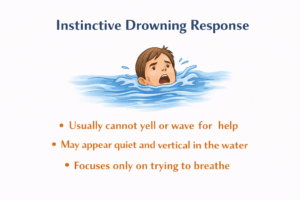 One surprising concept taught in first aid and water safety training is the “Instinctive Drowning Response.”
Unlike what many expect, drowning victims often:
- Cannot wave or shout for help
- Appear quiet and vertical in the water
- Focus only on trying to breathe
This means drowning can look silent and subtle, not dramatic.
In Boyes’ case, recognizing that something was wrong—even before it became obvious—was critical. This insight teaches responders to trust what they see, not what they expect.
Symptoms / Warning Signs in Water Emergencies
Watch for signs such as:
- Head low in water with mouth at water level
- Gasping or struggling to breathe
- Weak or uncoordinated movements
- Silent distress rather than shouting
- Panic or confusion
Early recognition allows for faster, safer intervention.
Causes / Risk Factors
Water emergencies can result from:
- Slips or falls near embankments or ponds
- Medical issues occurring near water
- Vehicle accidents into ditches or flooded areas
- Panic or inability to exit submerged vehicles
- Lack of immediate assistance
These risks can occur in both urban and rural environments.
First Aid Response in Water Rescue Situations
Based on standard first aid training practices in Canada, general response includes:
- Calling emergency services immediately
- Assessing scene safety before attempting a rescue
- Using tools (rope, stick, object) when possible instead of direct contact
- Assisting the person to safety if conditions allow
- Once safe, checking breathing and responsiveness
- If unresponsive and not breathing normally, CPR may be required
These principles are commonly taught in certified CPR and first aid courses across Canada.
Prevention & Workplace Considerations
To improve safety in Manitoba and across Canada:
- Be cautious near water edges and embankments
- Use barriers and signage in high-risk areas
- Train workers and staff in emergency response
- Keep rescue tools accessible in workplaces near water
- Promote awareness of water hazards in communities
Preparedness helps reduce both risk and response time.
FAQ
What should you do if someone is struggling in water?
Call emergency services immediately and attempt to help using a safe method such as reaching or throwing an object. Avoid entering the water unless trained.
Why don’t drowning victims call for help?
During drowning, the body focuses on breathing, making it difficult to shout or wave. This is known as the instinctive drowning response.
How can CPR help after a water rescue?
CPR can help maintain circulation and oxygen delivery if the person is unresponsive and not breathing normally after being removed from the water.
Who should learn water rescue first aid in Winnipeg?
Anyone near water environments, including workers, families, and outdoor enthusiasts, can benefit from training in Manitoba.
What is the first priority in a water emergency?
Ensuring your own safety and calling for help are always the first priorities before attempting a rescue.
Educational Note
This content is for general awareness and reflects commonly taught practices in first aid and CPR training across Canada. Hands-on training helps individuals respond more effectively in real-life emergencies.
About The Author

Mark Kascha
Certified First Aid Instructor Trainer with 30+ years of real-world experience, including lifeguarding, workplace emergency response, and first aid program development across Canada. Has worked with WorkSafeBC, WSIB, and Manitoba Health.
👉 [View full credentials]🔗 View LinkedIn Profile
Last reviewed: March 2026