
Body Recovered After Drowning Near Abitibi Campsite Highlights Water Safety Risks

A fatal drowning near a campground in the Abitibi-Témiscamingue region has once again drawn attention to the ongoing risks associated with swimming and recreational water activities in Canada.

According to the Sûreté du Québec, the body of a 67-year-old man was recovered Sunday evening from a lake near a campsite close to La Sarre. The man had been swimming Saturday evening when he suddenly sank beneath the surface. Witnesses at the scene attempted to rescue him but were unable to reach him in time.

Incident Occurred During National Drowning Prevention Week

The tragedy occurred during National Drowning Prevention Week, an annual awareness campaign focused on reducing water-related fatalities across Canada.

Divers recovered the man’s body at approximately 5:45 p.m. on Sunday. Police reports indicate he was swimming around 8 p.m. the previous evening when he suddenly disappeared under the water.

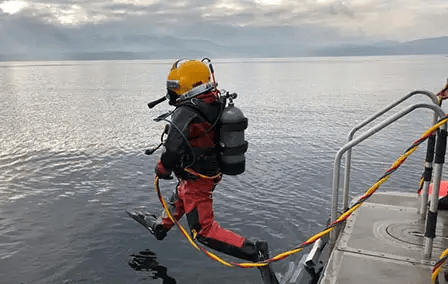
Police diver entering a lake during a water recovery operation near a campground in Quebec
A police diver enters the water during a recovery operation following a drowning incident at a Canadian lake.

More details about the incident were reported by the Montreal Gazette, which covered the drowning as part of a broader report on water-related fatalities during the awareness week. Readers can view the original report here:
👉 Body recovered of man who drowned near Abitibi campsite

Rising Drowning Numbers Across Quebec

This incident was not isolated. At least five drownings were reported across Quebec during National Drowning Prevention Week in 2018, surpassing totals from the previous year. Several additional drownings occurred in the days leading up to the campaign.

Recent incidents included:

  • An 18-year-old kayaker recovered from Lac St-Louis near Beaconsfield after his kayak was found on shore and his life jacket floating in the water.

  • Two coworkers who drowned while fishing near the Pointe-des-Cascades dam.

  • A man reported missing after diving from a boat into the St. Lawrence River near Pointe-aux-Trembles.

Life Jackets Are Effective—When They’re Worn

Although boating regulations require life jackets or personal flotation devices (PFDs) to be present on board, wearing them is not mandatory. Many victims assume they won’t fall into the water, but unexpected situations can unfold quickly.

In most boating-related drownings, victims were not wearing a PFD or were wearing one incorrectly. Proper and consistent use of life jackets remains one of the most effective ways to reduce drowning risk.

Why First Aid and CPR Training Matters

When water emergencies occur, bystanders are often the first line of help. Cardiopulmonary resuscitation (CPR) is a critical life-saving skill that can significantly improve survival chances when performed quickly after a drowning or near-drowning incident.

Taking a CPR course, such as those offered helps individuals develop the confidence and skills needed to respond effectively during emergencies at lakes, campsites, and boating areas.

Be Prepared Before an Emergency Happens

Drownings often occur silently and without warning—even among experienced swimmers. Being prepared through proper training, wearing life jackets, and understanding water safety risks can make a critical difference.

Learning first aid and CPR doesn’t just prepare you for emergencies—it gives you the ability to act when seconds matter most.

About The Author

Mark Kascha

Certified First Aid Instructor Trainer with 30+ years of real-world experience, including lifeguarding, workplace emergency response, and first aid program development across Canada. Has worked with WorkSafeBC, WSIB, and Manitoba Health.

👉 [View full credentials]🔗 View LinkedIn Profile

Last reviewed: March 2026

Serving Winnipeg and south Manitoba with the cheapest priced, highest quality first aid training, CPR and food safety courses since 2012 with a commitment to providing the best classes to Canadians.

Shopping Cart
Scroll to Top
Call Now Button
Maple Leaf Choose locally-owned, Canadian-operated businesses with no connections or partnerships to American corporate entities. Maple Leaf
This is default text for notification bar