However, the report found that 44% of officers expected to carry naloxone had expired first aid training or were due to expire in 2018. Even more concerning, more than half of those requiring CPR updates were working in areas with high levels of drug use, where overdose emergencies are most likely to occur.
You can read the full original article here for additional details:
Nearly half of officers set to get naloxone training don’t have updated CPR training
Divisions with the greatest need for updated certification included 51, 52, and 55 Divisions, which serve densely populated downtown areas.
“You Should Be Concerned”
Toronto Police Association president Mike McCormack acknowledged the seriousness of the issue, stating that officers themselves should not be blamed.
“Yes, you should be concerned. Their CPR training isn’t being kept up to date, but it’s not the officer’s fault—it’s a staffing issue.”
McCormack explained that years of staffing shortages and increased operational demands have limited officers’ ability to attend mandatory training and recertification sessions.
Police Response and Training Reassurance
Toronto Police Superintendent Scott Baptist, who coordinated the naloxone program, said there was no need for public panic. While CPR and first aid certifications typically expire every two years, officers often undergo training multiple times throughout their careers.
“An officer may attend first aid training up to 12 times during their career,” Baptist noted.
Still, regular recertification remains critical, particularly for officers responding to overdoses, cardiac arrests, and other medical emergencies.
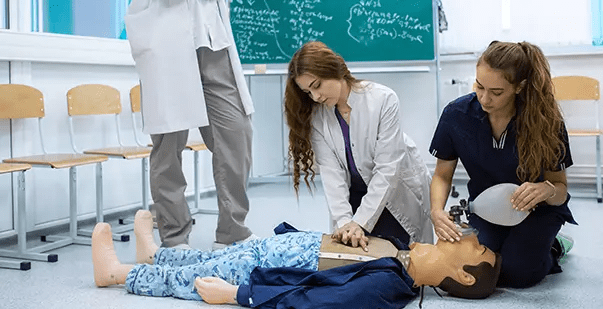
This is why Accessible first aid and CPR recertification programs, such as those offered by Winnipeg First Aid, play a vital role in keeping responders prepared. Their CPR, AED, and first aid recertification courses help ensure life-saving skills stay current and effective when seconds matter.
Harm Reduction and Public Trust
Harm reduction advocates have raised concerns that police presence at overdose scenes may discourage people from calling 911. Zoe Dodd, a Toronto harm reduction worker, noted that fear of police involvement can delay emergency response.
Police leadership and the union disagreed, emphasizing that during an overdose, saving a life is the priority, regardless of whether help arrives from police or paramedics.
Moving Forward: Closing the Training Gap
To address the issue, naloxone training for 540 officers with valid CPR certification was scheduled to begin immediately via a one-hour online course. Officers without current certification were required to complete one- or two-day CPR and first aid recertification courses.
The report stated that Toronto Police College had the capacity to deliver training quickly, including sending instructors directly to divisions with the greatest need.
Why Updated CPR Training Matters
Naloxone alone is not always enough. CPR and AED use are often essential in overdose and cardiac arrest situations, especially when oxygen deprivation has already occurred.
Up-to-date training improves confidence, reaction time, and outcomes. Whether for police officers, workplace responders, or everyday citizens, maintaining current CPR and first aid certification can mean the difference between life and death.