Knowing what to do if a cyclist is seriously injured in a collision or how to respond when someone becomes unresponsive after a road accident is critical. Bicycle-related incidents can lead to sudden medical emergencies, including cardiac arrest, where CPR and quick action are essential parts of first aid response in Canada.
In Winnipeg and across Manitoba, cycling is common for commuting and recreation. This makes CPR training Winnipeg and first aid certification Manitoba highly relevant for drivers, cyclists, and pedestrians alike.
First Aid & Workplace Relevance in Canada
Across Canada, emergency response training is important for:
- Cyclists and drivers sharing the road
- Delivery workers and transportation staff
- Construction and roadside crews
- Teachers, coaches, and community members
In areas like Downtown Winnipeg, St. Vital, and Transcona, busy intersections and shared roadways increase the importance of knowing how to respond to trauma, cardiac arrest, and unconsciousness.
Training programs often include CPR, AED use, and scene safety awareness, all of which are critical in road-related emergencies.
Scenario Story: Fatal Cyclist Collision in Abbotsford
 A tragic incident in Abbotsford highlights the sudden and serious nature of roadway emergencies.
At the intersection of Bourquin Crescent and Mill Lake Road, a 72-year-old cyclist was struck by a 5-ton truck. Emergency services were called to the scene, and upon arrival, first responders immediately began CPR.
Despite these efforts, the cyclist was later declared deceased at the scene.
The truck driver remained on site and cooperated with authorities. Police reported that neither speed nor alcohol appeared to be factors in the collision. The driver, visibly shaken, received care from paramedics.
The area, including a nearby bus loop, was temporarily closed while investigators and the coroner examined the scene. Service was later restored.
This incident reflects how quickly a routine moment—such as cycling through an intersection—can turn into a life-threatening emergency.
A Unique First Aid Insight: The “Helmet Clue” in Emergencies
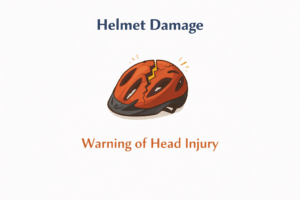
A lesser-known concept in first aid response is what some instructors refer to as the “helmet clue.”
When a cyclist is involved in a serious collision:
- A damaged or displaced helmet can signal a high-impact injury
- Even if the person appears responsive initially, their condition can change quickly
- Head and neck injuries may not always be immediately visible
Because of this, first aid training in Canada emphasizes minimizing unnecessary movement and monitoring the person closely until help arrives.
This insight reminds responders that what you see externally may not reflect the full severity of the injury.
Symptoms / Warning Signs After a Bicycle Collision
Following a serious accident, watch for:
- Unresponsiveness or difficulty staying awake
- Abnormal or absent breathing
- Visible injuries or bleeding
- Confusion, dizziness, or disorientation
- Signs of shock (pale skin, rapid pulse, weakness)
These signs may indicate life-threatening conditions requiring immediate attention.
Causes / Risk Factors
Common factors in cyclist collisions include:
- Intersections and turning vehicles
- Limited visibility or blind spots
- Road sharing challenges between vehicles and cyclists
- Speed differences between road users
- Environmental or infrastructure conditions
Awareness of these risks can support safer travel for everyone.
First Aid & CPR Response After a Cycling Accident
Based on standard first aid training practices in Canada, general response steps include:
- Ensuring the scene is safe before approaching
- Calling emergency services immediately
- Checking responsiveness and breathing
- If unresponsive and not breathing normally, CPR may be required
- Avoiding unnecessary movement, especially if head or neck injury is suspected
- Staying with the individual until help arrives
These skills are commonly taught in certified CPR and emergency response training programs across Canada.
Prevention & Workplace Considerations
To improve cycling and road safety in Manitoba:
- Use proper protective equipment such as helmets
- Follow traffic laws and signals
- Increase visibility with lights and reflective gear
- Provide road safety and emergency response training in workplaces
- Encourage awareness among both drivers and cyclists
Preparedness and shared responsibility can help reduce risk.
FAQ
What should you do if a cyclist is unresponsive after a collision?
Call emergency services immediately, check for breathing, and stay with the person. If they are not breathing normally, CPR may be required until help arrives.
Why is CPR important in road accidents?
CPR helps maintain circulation and oxygen flow during cardiac arrest. Early action improves the chances of survival until advanced care is available.
Should you remove a cyclist’s helmet after an accident?
In most cases, it is best to avoid unnecessary movement unless required for safety or breathing. This is commonly addressed in first aid training programs.
Who should take CPR training in Winnipeg?
Anyone can benefit, especially drivers, cyclists, workers, and caregivers. Training is valuable in both workplace and everyday settings.
What is the first priority at an accident scene?
Ensuring scene safety and calling emergency services are always the first priorities before providing assistance.
Educational Note
This content is for general awareness and reflects commonly taught practices in first aid and CPR training across Canada. Hands-on training helps individuals respond more confidently in emergency situations.
About The Author

Mark Kascha
Certified First Aid Instructor Trainer with 30+ years of real-world experience, including lifeguarding, workplace emergency response, and first aid program development across Canada. Has worked with WorkSafeBC, WSIB, and Manitoba Health.
👉 [View full credentials]🔗 View LinkedIn Profile
Last reviewed: March 2026