
Woman Drowns While Tubing in Dangerous Section of Cowichan River on Vancouver Island

A tragic tubing accident on Vancouver Island has claimed the life of a woman in her early 50s, underscoring the hidden dangers that can exist along popular recreational waterways such as the Cowichan River.

According to reporting by the Vancouver Sun, the incident occurred on a hazardous stretch of the river near Horseshoe Bend and Marie Canyon—an area known for stronger currents and unpredictable undertows.
You can read the original report here:
👉 Woman drowns while tubing in dangerous section of Cowichan River on Vancouver Island

Tubing Trip Turns Fatal

RCMP spokesperson Cpl. Janelle Shoihet said the woman was tubing with friends when she passed a designated “pullout” zone and entered rougher water downstream. As she attempted to reach the riverbank, she fell from her tube and became trapped beneath fast-flowing water.

A 33-year-old man who was with her managed to pull her from the river and immediately began cardiopulmonary resuscitation (CPR) until paramedics arrived. Lake Cowichan RCMP and B.C. Ambulance Service responded around 3:30 p.m., and the woman was airlifted to Victoria General Hospital. Sadly, she was pronounced dead the following day.

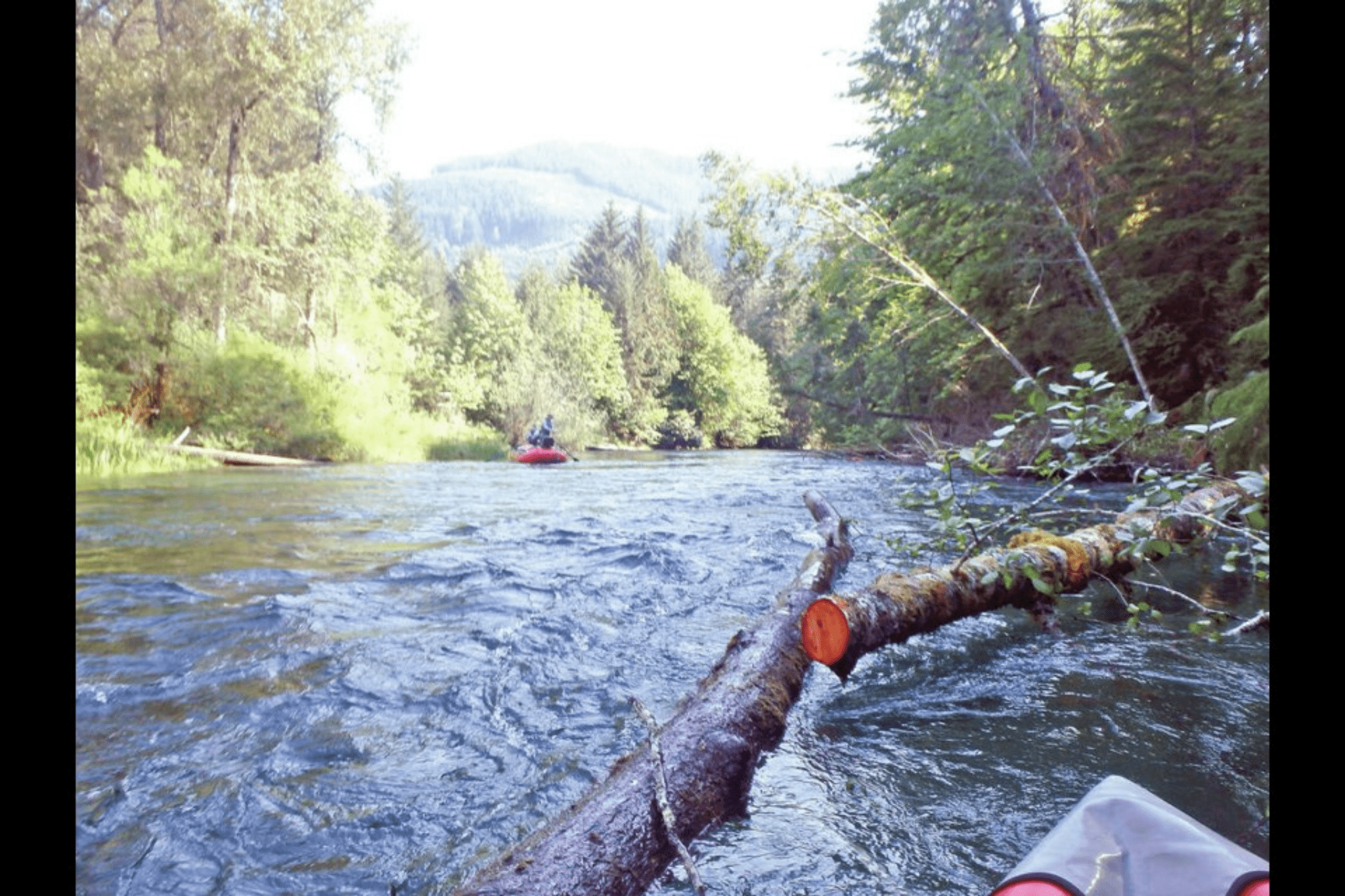
Fast-flowing section of the Cowichan River showing submerged logs and strong currents during summer tubing season.
A dangerous stretch of the Cowichan River where strong currents and submerged logs pose serious risks to tubers.

A Stretch of River With Known Risks

This tragic death followed another serious tubing incident on the Cowichan River earlier in the summer, when a man nearly lost his life after becoming caught under a partially submerged log. In that case, quick-thinking bystanders were able to free him and perform CPR, ultimately saving his life.

Lake Cowichan Mayor Ross Forrest expressed concern about the recurring incidents, noting that while the river is promoted for recreation, certain sections are far more dangerous than they appear.

He explained that water flow near Horseshoe Bend is significantly faster than the calmer areas closer to town where most tubers float. Currents, undertows, and submerged hazards make this area especially challenging, even for strong swimmers. Warning signs are posted advising people to exit the river before the rapids.

Why CPR Training Matters

In water-related emergencies, immediate action can be critical. Cardiopulmonary resuscitation (CPR) can help maintain circulation and oxygen flow until professional medical help arrives. In several Cowichan River incidents, CPR performed by bystanders made the difference between life and death.

Learning CPR prepares individuals to respond during emergencies at rivers, lakes, pools, and beaches. Training provides the confidence and skills needed to act quickly when seconds matter most.

Ongoing Investigation

Lake Cowichan RCMP and the B.C. Coroners Service continue to investigate the drowning. The woman’s name has not been released. Police are asking anyone who witnessed the incident to contact Lake Cowichan RCMP.

This heartbreaking incident serves as a reminder that awareness, preparation, and first aid training are essential when enjoying Canada’s waterways.

About The Author

Mark Kascha

Certified First Aid Instructor Trainer with 30+ years of real-world experience, including lifeguarding, workplace emergency response, and first aid program development across Canada. Has worked with WorkSafeBC, WSIB, and Manitoba Health.

👉 [View full credentials]🔗 View LinkedIn Profile

Last reviewed: March 2026

Serving Winnipeg and south Manitoba with the cheapest priced, highest quality first aid training, CPR and food safety courses since 2012 with a commitment to providing the best classes to Canadians.

Shopping Cart
Scroll to Top
Call Now Button
Maple Leaf Choose locally-owned, Canadian-operated businesses with no connections or partnerships to American corporate entities. Maple Leaf
This is default text for notification bar