Understanding what to do if someone is injured in a shooting can make a critical difference in the moments before emergency responders arrive. While these situations are rare, knowing how to respond to bleeding and trauma injuries is a key part of basic first aid training in Canada.
In cities like Winnipeg and across Manitoba, emergency preparedness is increasingly emphasized—not just for healthcare professionals, but for everyday people. Whether in public spaces, workplaces, or residential areas, having first aid knowledge can help stabilize injuries until paramedics arrive.
First Aid & Workplace Relevance in Canada
 Across Canada, first aid and CPR training are commonly recommended for:
- Workers in construction, transportation, and public-facing roles
- Teachers, coaches, and childcare providers
- Parents and caregivers
- Anyone spending time in community spaces or events
In areas like Downtown Winnipeg, St. Vital, and Transcona, emergencies can happen unexpectedly. Training programs such as CPR training Winnipeg and first aid certification Manitoba teach practical skills like bleeding control, shock awareness, and emergency response coordination—all essential in incidents involving trauma.
Scenario Story: Shooting Incident in Abbotsford
In Abbotsford, two men were injured in a late-night shooting that left investigators searching for answers.
According to police, the victims—aged 19 and 28—were driving near Ponderosa Street and Ponderosa Place around 1:20 AM. They were either heading to or returning from a gathering when a passing vehicle opened fire. Several shell casings were later recovered at the scene, but the motive remains unclear, with no known gang or drug connections.
Despite the frightening nature of the event, both individuals sustained non-life-threatening injuries and were able to cooperate with authorities after receiving emergency care.
First responders, including patrol officers and paramedics, played a key role in securing the scene and ensuring the injured received timely assistance. Investigators continue to interview witnesses and review surveillance footage to identify those responsible.
This situation highlights an important reality: bystanders or companions are often the first people available to provide help before emergency services arrive.
A Unique First Aid Insight: The “First 3 Minutes” Rule
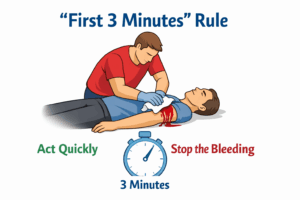
One lesser-known but powerful concept taught in many Canadian first aid programs is the “First 3 Minutes” rule.
In serious bleeding emergencies, the first 3 minutes after injury are often the most critical. Quick action—such as applying firm pressure to a wound—can significantly reduce blood loss and improve outcomes before paramedics arrive.
This means that even without advanced equipment, simple actions taken immediately can make a meaningful difference. This principle is commonly emphasized in emergency response training across Canada.
Symptoms / Warning Signs of Traumatic Injury
After a shooting or similar traumatic event, watch for:
- Visible bleeding or soaked clothing
- Pale or clammy skin
- Rapid breathing or difficulty breathing
- Weakness, confusion, or dizziness
- Signs of shock (cool skin, rapid pulse, restlessness)
Recognizing these signs early helps guide a calm and effective response.
Causes / Risk Factors
While incidents like this may seem unpredictable, risk factors can include:
- Late-night travel in isolated areas
- Random acts of violence
- Road-related altercations
- Lack of immediate access to emergency services
Understanding that emergencies can occur without warning reinforces the importance of preparedness.
First Aid Response for Bleeding Injuries
Based on standard first aid training practices in Canada, the general response includes:
- Ensuring the scene is safe before approaching
- Calling emergency services immediately
- Applying firm, direct pressure to any bleeding wounds
- Encouraging the injured person to remain still and calm
- Monitoring for signs of shock while waiting for help
These steps are commonly taught in certified CPR and first aid courses and are designed for use by the general public.
Prevention & Workplace Considerations
In workplaces and public environments across Manitoba:
- Emergency response plans should be clearly established
- First aid kits should be accessible and regularly maintained
- Staff should be trained in CPR, AED use, and bleeding control
- Awareness of surroundings and reporting suspicious activity can improve safety
Preparedness is not about expecting emergencies—but being ready to respond effectively if they occur.
FAQ
What should you do if someone is bleeding heavily after an injury?
Apply firm, direct pressure to the wound using a clean cloth or dressing if available. Call emergency services right away and continue applying pressure until help arrives. This approach is widely taught in Canadian first aid training programs.
How can first aid training help in unexpected emergencies?
First aid training provides practical skills to manage injuries, including bleeding, breathing issues, and shock. It helps individuals stay calm and take effective action while waiting for professional responders.
Is it safe to help someone during a violent incident?
Your safety comes first. Only approach if the scene is secure. If there is ongoing danger, maintain distance and call emergency services immediately.
Who should consider taking CPR and first aid training in Winnipeg?
Anyone can benefit, especially workers, parents, teachers, and community members. Training is valuable in workplaces, schools, and public settings throughout Winnipeg and Manitoba.
What is the most important first step in an emergency?
Calling emergency services is always the first priority. Early activation of professional help ensures faster response and better outcomes.
Educational Note
This article is intended for general awareness and reflects commonly taught practices in first aid and CPR training across Canada. Training programs provide hands-on experience to help individuals respond confidently in real-life emergencies.
About The Author

Mark Kascha
Certified First Aid Instructor Trainer with 30+ years of real-world experience, including lifeguarding, workplace emergency response, and first aid program development across Canada. Has worked with WorkSafeBC, WSIB, and Manitoba Health.
👉 [View full credentials]🔗 View LinkedIn Profile
Last reviewed: March 2026