
Montreal Teen in Critical Condition After Near-Drowning at School Pool
A 13-year-old Montreal boy remains in critical condition after being found unconscious at the bottom of a swimming pool following a high school gym class, according to reports from The Canadian Press.
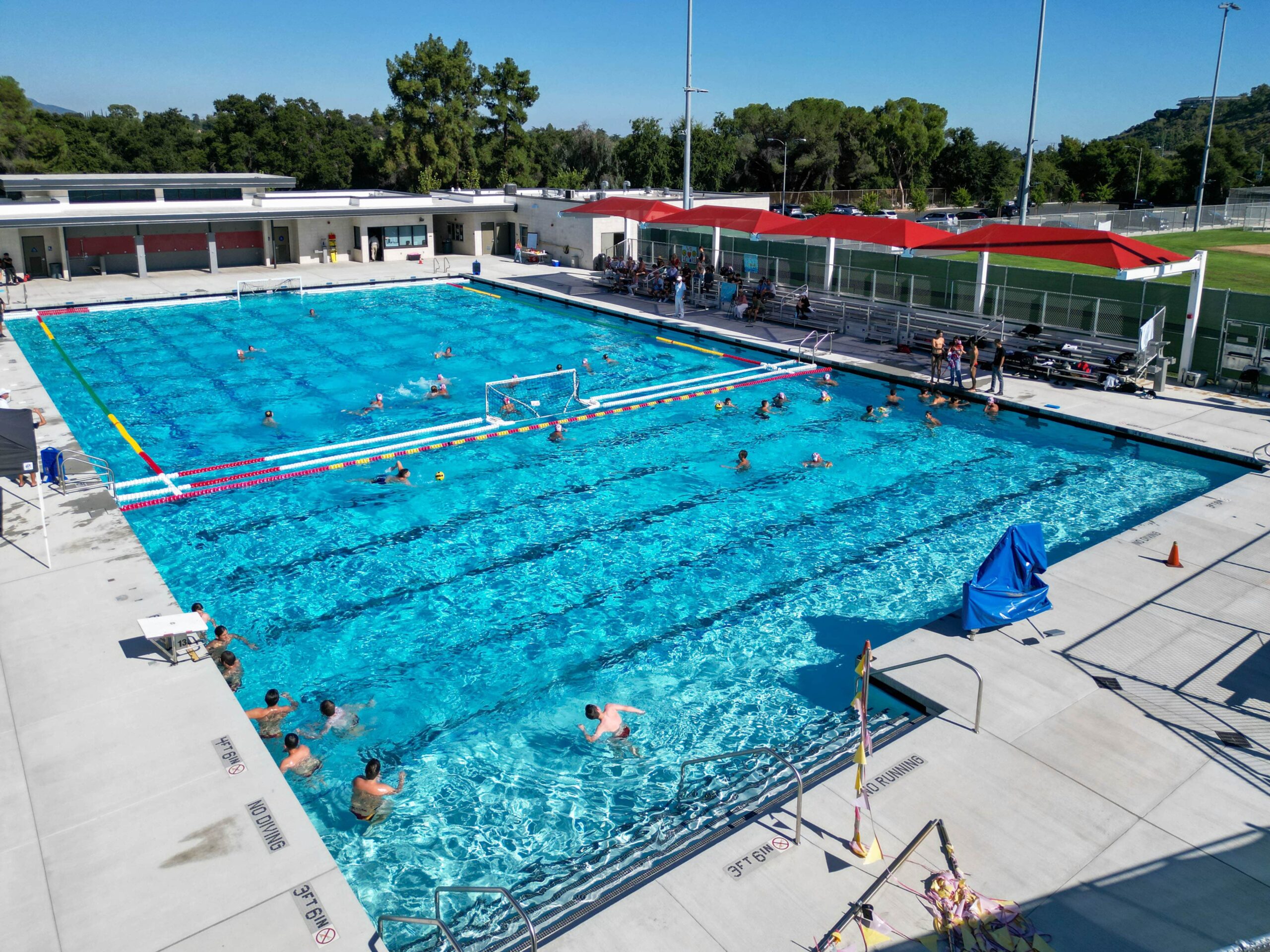
The incident occurred Thursday at Père-Marquette High School. The Grade 8 student was not noticed when his class exited the pool deck after their swim session. It was only when the next group of students entered the pool area that the boy was discovered submerged, prompting an immediate emergency response.
The full original report on this incident can be read in the Montreal Gazette here:
‘We’re waiting for word’: Montreal teen in critical condition after near-drowning
School board officials confirmed that a physical education teacher and a certified lifeguard were present during the class, along with approximately 20 to 30 students.
Emergency Response and Ongoing Support
Paramedics reported that the boy was in cardiorespiratory arrest when first responders arrived. Emergency crews were able to successfully revive him before transporting him to hospital, where he remains in critical condition.
The lifeguard on duty was also taken to hospital and treated for shock following the traumatic incident.
According to Alain Perron, spokesperson for the Montreal school board, a psychological support team was sent to the school immediately and remained available the following day to support students and staff.
“We’re very worried about the student but we haven’t heard anything further,” Perron said. “We’re waiting for word from the family or the hospital.”
As a precaution, the city announced that the municipally operated pool next to the school would remain closed indefinitely. Police confirmed there is no criminal investigation underway.
Lifesaving Society Review Expected
While no criminal wrongdoing is suspected, the Quebec branch of the Lifesaving Society has indicated that a detailed review of the incident is likely.
François Lépine, director of programs for the organization, said the review would examine several factors, including pool conditions, lighting, equipment, supervision practices, and the student’s medical history.
“There are numerous factors to look at and, only then, we might have an idea of the sequence of events,” Lépine said.
He also emphasized the importance of assessing students’ swimming abilities at the start of aquatic programs and adjusting instruction accordingly.
Although drowning incidents in indoor aquatic facilities are rare, Lépine noted that even one incident is too many.
Why CPR and First Aid Training Matter
Near-drowning incidents can escalate rapidly and may lead to cardiac arrest if oxygen deprivation is prolonged. Quick recognition of distress, immediate rescue, and prompt CPR can significantly improve survival outcomes.
Cardiopulmonary resuscitation (CPR) and the use of an automated external defibrillator (AED) are critical life-saving skills—not just for lifeguards and teachers, but for parents, students, and community members as well.
If you want to be prepared to act during emergencies like this, enrolling in CPR and AED training can make a life-saving difference.
Learn More
Proper first aid education empowers individuals to respond confidently during critical moments, whether at school, work, or in the community.
For additional information on drowning and cardiac emergencies, visit these trusted resources:
About The Author
Mark Kascha
Certified First Aid Instructor Trainer with 30+ years of real-world experience, including lifeguarding, workplace emergency response, and first aid program development across Canada. Has worked with WorkSafeBC, WSIB, and Manitoba Health.
👉 [View full credentials]🔗 View LinkedIn Profile
Last reviewed: March 2026
Serving Winnipeg and south Manitoba with the cheapest priced, highest quality first aid training, CPR and food safety courses since 2012 with a commitment to providing the best classes to Canadians.
