
Lethbridge Resident Credits Integrated Response Model After Surviving Heart Attack

A Lethbridge man is sharing his powerful survival story after suffering a sudden heart attack—crediting quick CPR, trained emergency responders, and an integrated emergency response system for saving his life.

On Sunday, December 15, what started as a routine evening playing recreational hockey at the ATB Centre quickly turned into a life-threatening emergency for long-time resident Tony Deys. After about 20 minutes on the ice, Deys collapsed in the dressing room, suffering a cardiac arrest.

Quick Thinking and Immediate CPR

Deys later explained that everything went blank, but his teammates immediately knew something was wrong. When he stopped responding, one friend called 911 while another began CPR right away—critical actions that helped keep blood and oxygen flowing until emergency crews arrived.

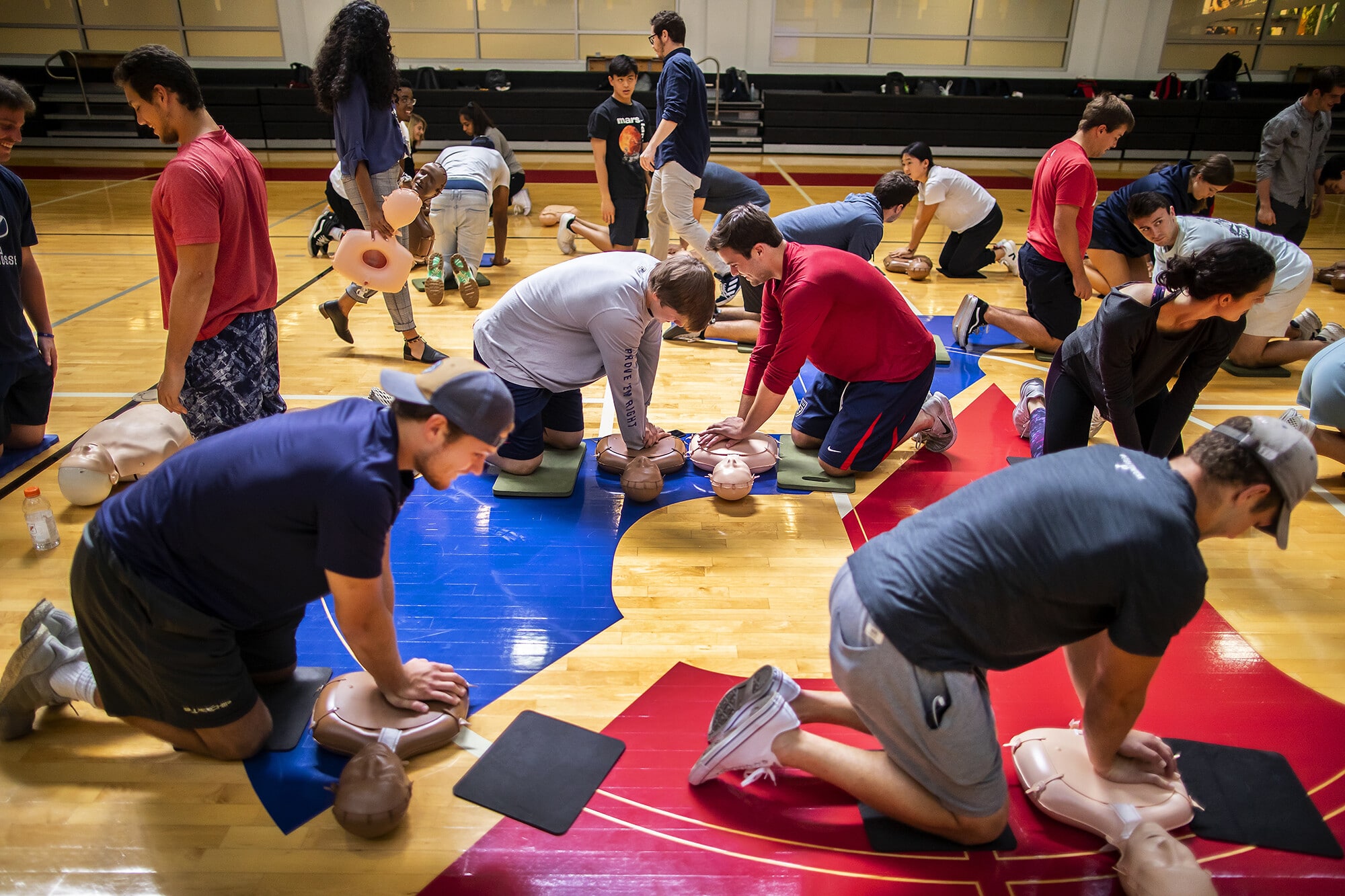
This incident highlights why CPR and AED training are essential skills. Knowing how to respond in the first few minutes of cardiac arrest can dramatically improve survival outcomes.

Paramedics and firefighters responding to emergency at sports facility
Integrated emergency response brings paramedics and firefighters together to deliver rapid life-saving care on scene.

 Programs like CPR and AED training courses offered by Winnipeg First Aid help everyday people gain the confidence and skills needed to act quickly in emergencies.

Integrated Emergency Response Saved Valuable Time

Within minutes, Lethbridge’s Integrated Response Service arrived on scene, dispatching both paramedics and firefighters to provide advanced care. Responders were able to restore a pulse before transporting Deys to Chinook Regional Hospital, where he was later flown by STARS Air Ambulance to Calgary for further treatment.

Emergency responders emphasized that “time is heart muscle,” and having multiple trained professionals working together on scene played a key role in Deys’ survival.

A Powerful Reminder for Communities Everywhere

After reuniting with the paramedics and firefighters who saved his life, Deys admitted he once questioned why both a firetruck and ambulance respond to medical calls.

“Now I know why,” he said. “Instead of two people performing CPR, I had seven trained professionals working together. That made all the difference.”

Why First Aid and CPR Training Matter

Deys’ story is a clear reminder that bystanders trained in CPR are often the first—and most important—link in the chain of survival. Whether at a hockey rink, workplace, or public space, knowing how to respond before emergency crews arrive can save a life.

👉 You can read the full original report from CTV News here:

Lethbridge resident Tony Deys credits integrated response model after surviving heart attack

About The Author

Mark Kascha

Certified First Aid Instructor Trainer with 30+ years of real-world experience, including lifeguarding, workplace emergency response, and first aid program development across Canada. Has worked with WorkSafeBC, WSIB, and Manitoba Health.

👉 [View full credentials]🔗 View LinkedIn Profile

Last reviewed: March 2026

Serving Winnipeg and south Manitoba with the cheapest priced, highest quality first aid training, CPR and food safety courses since 2012 with a commitment to providing the best classes to Canadians.

Shopping Cart
Scroll to Top
Call Now Button
Maple Leaf Choose locally-owned, Canadian-operated businesses with no connections or partnerships to American corporate entities. Maple Leaf
This is default text for notification bar