
Cardiac Arrest Survivor Installs External Defibrillator Outside His Home

Chris Troughton knows firsthand that defibrillators save lives—because they saved his four times.

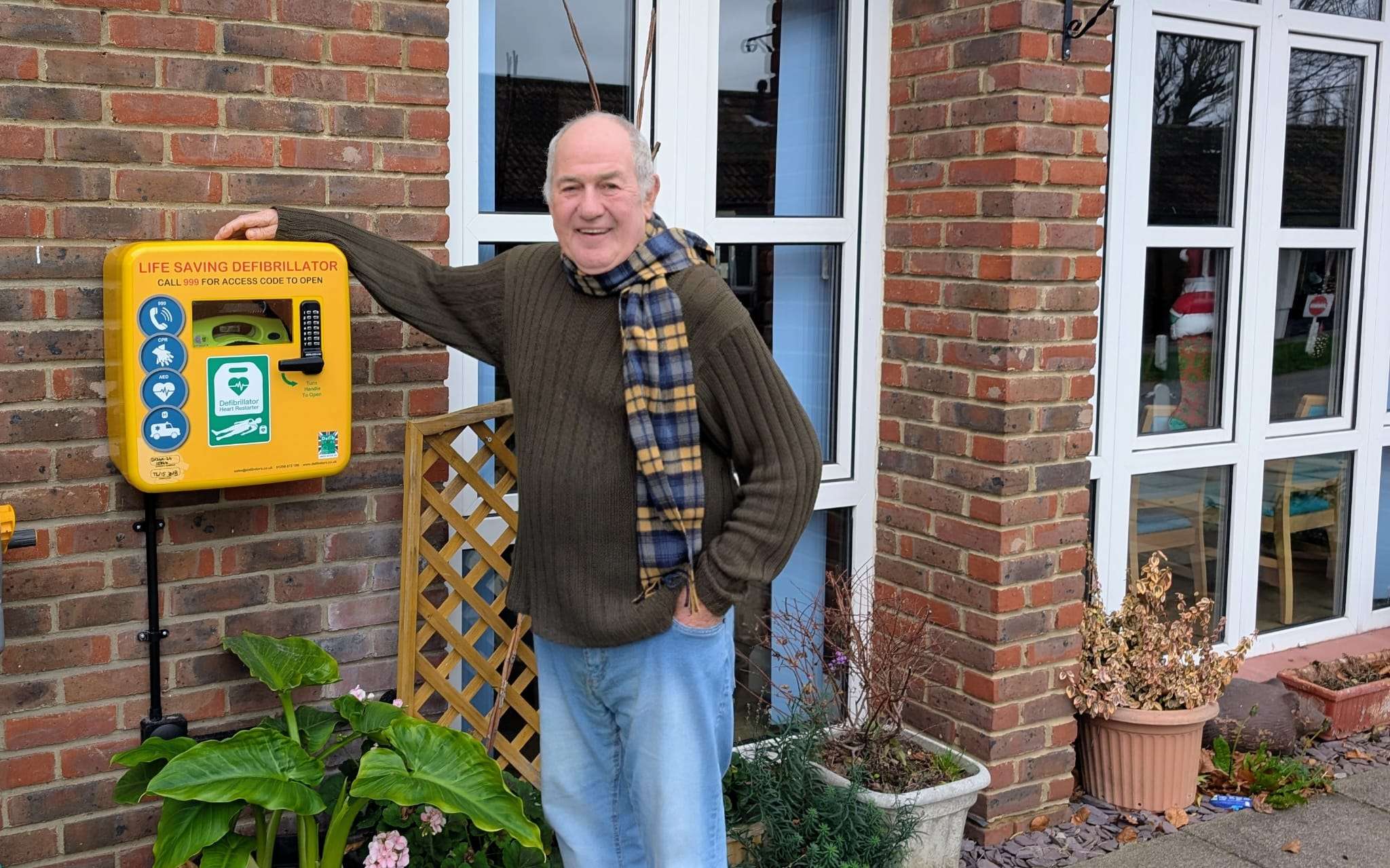
A cardiac arrest survivor from Kanata, Ontario, Troughton installed an automated external defibrillator (AED) outside his home in a weatherproof cabinet, making it available to anyone in the neighbourhood during an emergency. The full story was originally reported by the Ottawa Citizen, highlighting how one homeowner’s decision could help save lives across an entire community. You can read the original article here:
👉  Cardiac arrest survivor installs external defibrillator outside his house

Originally, Troughton planned to purchase an AED for personal use. After speaking with Action First Aid’s Roger Hennig, he realized the device could have a far greater impact if shared publicly. His neighbourhood includes children, seniors, and a nearby hockey rink—making fast access to emergency equipment critical.

In 2010, after playing hockey, Troughton experienced a severe burning sensation in his chest and insisted his son drive him to the hospital. He later fell into a coma for 10 days and eventually required triple bypass surgery in 2013. These experiences motivated him to help others survive similar emergencies.

Community AED installed outside a residential home for public use during cardiac arrest emergencies
Community installed AED outside a home empowers neighbours to respond quickly during sudden cardiac arrest emergencies in Canada

Why Community AEDs Matter

Sudden cardiac arrest occurs in Canada every 13 minutes on average. Survival rates can exceed 75% when an AED is used within the first 10 minutes, yet most cardiac arrests still occur at home, where emergency services may not arrive in time.

Community-access AEDs allow bystanders to act immediately while paramedics are on the way. AEDs are designed for public use and provide clear voice instructions, guiding users through calling 911, performing chest compressions, and delivering a shock only when a dangerous heart rhythm is detected.

To further strengthen community preparedness, residents can learn these lifesaving skills through CPR and AED training with Winnipeg First Aid, which focuses on early recognition of cardiac arrest, effective CPR, and confident AED.

Learn More

Sudden cardiac arrest can happen anywhere—most often at home. Learning CPR and how to use an AED gives everyday people the confidence to act while emergency services are on the way. Training and education are key to improving survival rates in communities.

About The Author

Mark Kascha

Certified First Aid Instructor Trainer with 30+ years of real-world experience, including lifeguarding, workplace emergency response, and first aid program development across Canada. Has worked with WorkSafeBC, WSIB, and Manitoba Health.

👉 [View full credentials]🔗 View LinkedIn Profile

Last reviewed: March 2026

Serving Winnipeg and south Manitoba with the cheapest priced, highest quality first aid training, CPR and food safety courses since 2012 with a commitment to providing the best classes to Canadians.

Shopping Cart
Scroll to Top
Call Now Button
Maple Leaf Choose locally-owned, Canadian-operated businesses with no connections or partnerships to American corporate entities. Maple Leaf
This is default text for notification bar