Understanding Smoke Inhalation Emergencies
 Smoke inhalation occurs when a person breathes in harmful gases, particles, and chemicals produced during a fire. These substances can affect breathing and reduce oxygen levels in the body, leading to serious medical emergencies.
In Canada, including Winnipeg and across Manitoba, house fires remain a risk in residential and workplace settings. Knowing how to respond with basic first aid and CPR can support individuals affected by smoke exposure while waiting for emergency services.
First Aid & Workplace Relevance in Canada
Fires can occur in homes, offices, and industrial workplaces. Employees in Winnipeg and surrounding communities may be trained in fire safety, evacuation procedures, and first aid to improve emergency response.
Preparedness—including CPR knowledge—can help support individuals affected by smoke inhalation or loss of consciousness during a fire.
A Realistic Scenario: Emergency Response to a House Fire
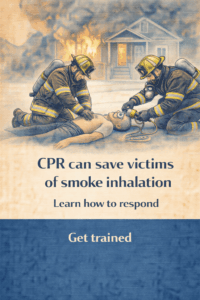
Emergency crews responded to a residential fire where heavy smoke was present inside the home. A person inside was located and removed from the environment.
At the scene, responders identified that the individual was not showing normal signs of breathing. CPR was initiated, and emergency care continued as the person was transported for further treatment.
The fire was later contained to a specific area of the home. This scenario highlights how both fire response and immediate first aid can play a role during emergencies.
Recognizing Signs of Smoke Inhalation
Symptoms may include:
-
Difficulty breathing
-
Coughing or wheezing
-
Soot around the mouth or nose
-
Headache or dizziness
-
Confusion or reduced responsiveness
In severe cases, a person may become unresponsive.
Causes and Risk Factors
Smoke inhalation can result from:
-
House or kitchen fires
-
Electrical or appliance malfunctions
-
Poor ventilation during a fire
-
Delayed evacuation
Indoor environments can allow smoke to build quickly, increasing risk.
First Aid Response: Smoke Inhalation and CPR
If someone has been exposed to smoke:
-
Ensure the area is safe before approaching
-
Call 911 immediately
-
Move the person to fresh air if possible
-
Check breathing and responsiveness
-
Begin CPR if the person is not breathing normally
-
Continue until emergency services arrive
Avoid re-entering unsafe environments, as smoke can be dangerous to rescuers.
Prevention and Safety Considerations
Reducing fire-related risks in Winnipeg and across Manitoba may include:
-
Installing and maintaining smoke alarms
-
Practicing fire escape plans
-
Keeping cooking areas monitored
-
Ensuring proper use of electrical equipment
-
Providing workplace fire safety and first aid training
These measures can help improve safety and preparedness.
Frequently Asked Questions
What is smoke inhalation?
It occurs when harmful substances from fire are breathed into the lungs, affecting oxygen levels.
Can CPR help in smoke-related emergencies?
CPR may be needed if a person is not breathing normally after exposure.
What should you do first in a house fire?
Ensure safety, call emergency services, and avoid exposure to smoke.
Are smoke alarms important?
Yes, they provide early warning and can help people evacuate quickly.
Is first aid training useful for fire emergencies?
Yes, it helps individuals respond safely and effectively while waiting for responders.
Educational Note
This article is for general awareness and education. First aid and CPR training can help individuals respond more effectively during emergencies such as fires and smoke exposure.
Meta Title
Smoke Inhalation and CPR in Canada: Fire Emergency Response
Meta Description
Learn how to respond to smoke inhalation and fire emergencies with CPR and first aid awareness in Winnipeg and across Canada.
About The Author

Mark Kascha
Certified First Aid Instructor Trainer with 30+ years of real-world experience, including lifeguarding, workplace emergency response, and first aid program development across Canada. Has worked with WorkSafeBC, WSIB, and Manitoba Health.
👉 [View full credentials]🔗 View LinkedIn Profile
Last reviewed: March 2026