
Lougheed: Canadians Need to Get Serious About CPR

“Someone get help! Call 911!”

Those urgent words echoed as a man suddenly collapsed and became unresponsive. At first, there were no obvious warning signs—no chest pain, no prior symptoms. Later, it was confirmed that he had suffered sudden cardiac arrest. His heart had abruptly shifted into a deadly rhythm, causing him to lose consciousness within seconds.

Had this occurred while he was alone—working in his garage or hiking on a quiet trail—the outcome would likely have been fatal. Too often, cardiac arrest claims lives simply because help does not arrive in time.

Why Immediate CPR Saves Lives

This incident ended differently because it happened in public. Bystanders acted quickly, CPR was started immediately, and an automated external defibrillator (AED) was used to deliver a life-saving shock. His pulse returned, and he was transported to hospital, where he made a strong recovery.

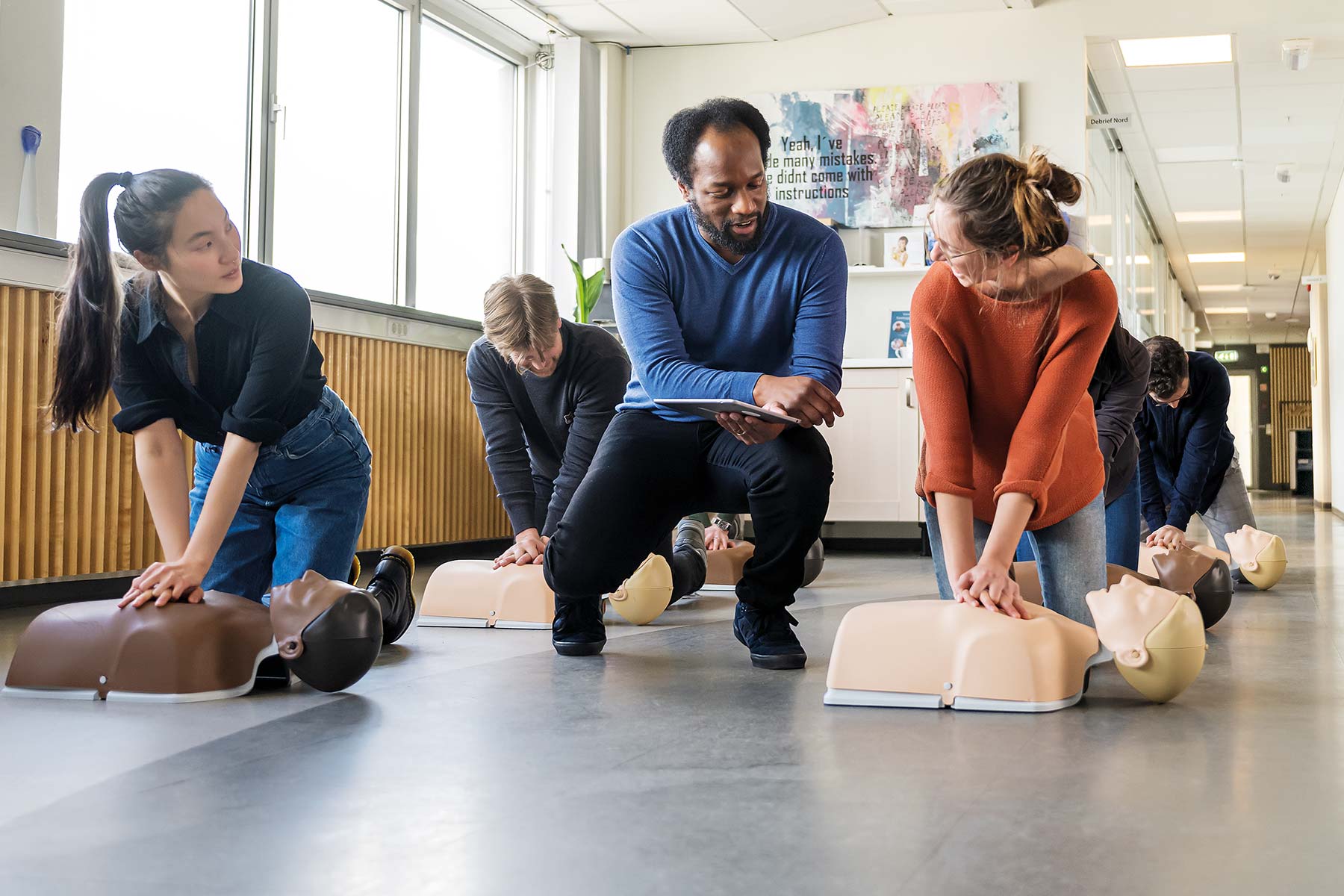
Bystanders performing hands-only CPR and using an AED during a public cardiac arrest emergency
Quick-thinking bystanders perform hands-only CPR and use an AED to save a cardiac arrest victim in public.

Dr. Taylor Lougheed reflects on this experience in his original opinion piece, emphasizing that survival should not depend on chance or the random presence of a medical professional. You can read the full original article from the Ottawa Citizen here:  👉 Lougheed: Canadians need to get serious about CPR

CPR Should Be a Shared Skill

Many people later described the man’s survival as “lucky.” But CPR and AED use should never be a matter of luck. These are practical skills that can be learned quickly and applied by anyone with proper training.

Several European countries already require first aid and CPR certification as part of the driver’s licensing process. Denmark went further by introducing CPR education in elementary schools—doubling bystander CPR rates and nearly tripling survival from out-of-hospital cardiac arrest.

Learn CPR in Winnipeg

Canada would benefit from a similar national approach to CPR education. Until then, individuals can take responsibility by learning these essential skills themselves. Enrolling in a CPR and AED training course through Winnipeg First Aid helps ensure you’re prepared to act when every second counts.

Being trained means you won’t have to rely on luck—you’ll be ready to help when it matters most.

About The Author

Mark Kascha

Certified First Aid Instructor Trainer with 30+ years of real-world experience, including lifeguarding, workplace emergency response, and first aid program development across Canada. Has worked with WorkSafeBC, WSIB, and Manitoba Health.

👉 [View full credentials]🔗 View LinkedIn Profile

Last reviewed: March 2026

Serving Winnipeg and south Manitoba with the cheapest priced, highest quality first aid training, CPR and food safety courses since 2012 with a commitment to providing the best classes to Canadians.

Shopping Cart
Scroll to Top
Call Now Button
Maple Leaf Choose locally-owned, Canadian-operated businesses with no connections or partnerships to American corporate entities. Maple Leaf
This is default text for notification bar