Understanding Medical Emergencies in High-Risk Situations
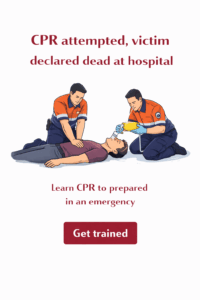 Serious incidents can sometimes lead to life-threatening medical emergencies where immediate first aid is required. When a person becomes unresponsive and stops breathing normally, cardiopulmonary resuscitation (CPR) may be initiated to help maintain circulation until paramedics arrive.
In Canada, including Winnipeg and across Manitoba, CPR awareness is an important part of public safety education—even in unpredictable or high-risk situations.
First Aid & Workplace Relevance in Canada
Workplaces, public areas, and community settings in Winnipeg and surrounding regions may encounter emergencies that require quick response. First aid and CPR training are commonly included in workplace safety programs to help individuals respond effectively while waiting for emergency services.
Preparedness ensures that people can take appropriate action in a wide range of situations.
A Realistic Scenario: Emergency Response at the Scene
Emergency responders were called to a residential area following a serious incident. Upon arrival, paramedics quickly assessed the situation and began providing medical care to an individual in distress.
CPR was initiated at the scene while emergency services coordinated further care and transport. Despite rapid response efforts, the situation highlighted the challenges involved in critical emergencies and the importance of immediate intervention.
This type of scenario demonstrates how first responders apply CPR in urgent situations while prioritizing safety and care.
Recognizing Signs of Cardiac Arrest
A person in cardiac arrest may show:
-
Sudden collapse
-
Unresponsiveness
-
No normal breathing or only gasping
-
No visible movement
Quick recognition is essential to begin CPR without delay.
Causes and Risk Factors
Cardiac arrest can result from various causes, including:
-
Severe trauma
-
Underlying heart conditions
-
Blood loss or medical complications
-
Unknown or sudden medical events
These emergencies can occur in many different environments.
First Aid Response: CPR Basics
If someone is unresponsive and not breathing normally:
-
Call 911 immediately
-
Begin chest compressions in the centre of the chest
-
Continue CPR until emergency services arrive or the person shows signs of recovery
-
Use an AED if one is available
These steps are part of standard first aid training across Canada.
Prevention and Community Considerations
While not all emergencies can be prevented, communities in Winnipeg and across Manitoba can improve readiness by:
-
Promoting CPR and first aid training
-
Increasing public awareness of emergency response
-
Ensuring access to AEDs in public spaces
-
Supporting community safety initiatives
Prepared individuals can help support faster and more effective responses.
Frequently Asked Questions
Can CPR be used in serious or high-risk situations?
Yes, CPR may be used whenever a person is not breathing normally, regardless of the situation.
Who should perform CPR during an emergency?
Anyone who recognizes the signs and is able to act can begin CPR while waiting for help.
Is CPR always successful?
Outcomes can vary, but early CPR helps support circulation and increases the chances of survival.
What should you do before helping someone?
Ensure the scene is safe and call emergency services before providing aid.
Why is CPR training important for the public?
It prepares individuals to respond confidently and effectively during emergencies.
Educational Note
This article is for general awareness and education. First aid and CPR training can help individuals respond more effectively in emergency situations.
About The Author

Mark Kascha
Certified First Aid Instructor Trainer with 30+ years of real-world experience, including lifeguarding, workplace emergency response, and first aid program development across Canada. Has worked with WorkSafeBC, WSIB, and Manitoba Health.
👉 [View full credentials]🔗 View LinkedIn Profile
Last reviewed: March 2026