Understanding Pediatric Emergencies in Road Incidents
Road accidents involving children can lead to serious medical emergencies that require immediate attention. In some cases, a child may become unresponsive and require first aid measures such as CPR while waiting for emergency services.
In Canada, including Winnipeg and across Manitoba, child safety—especially around roads and residential areas—is a key focus of public health and workplace safety awareness.
First Aid & Workplace Relevance in Canada
Many workplaces in Winnipeg and surrounding communities—such as schools, childcare centres, and community programs—prioritize first aid and CPR training. Staff who work with children or in public-facing roles may be called upon to respond to emergencies.
Prepared individuals can help provide immediate care during critical moments before paramedics arrive.
A Realistic Scenario: Emergency Response in a Residential Area
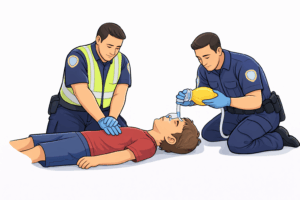 In a residential neighbourhood, a child riding a bicycle was involved in a collision with a vehicle near a driveway. Bystanders and nearby individuals quickly recognized the seriousness of the situation.
Emergency services were contacted, and those present began providing first aid, including CPR, until trained responders arrived. The child was transported for further care while the area was secured for investigation.
This type of scenario highlights how quickly emergencies can occur and how bystanders play an important role in early response.
Recognizing Signs of Cardiac Arrest in Children
A child in cardiac arrest may show:
-
Sudden collapse
-
Unresponsiveness
-
No normal breathing or only gasping
-
Pale or bluish skin tone
Immediate action is critical in these situations.
Causes and Risk Factors in Child Road Incidents
Factors that may contribute to incidents include:
-
Limited visibility near driveways
-
Sudden movement into traffic
-
Vehicle blind spots
-
Distractions for drivers or cyclists
-
Residential traffic patterns
These risks are present in many Canadian neighbourhoods.
First Aid Response: CPR for Children
If a child is unresponsive and not breathing normally:
-
Call 911 immediately
-
Begin CPR with chest compressions
-
Continue CPR until emergency services arrive or the child shows signs of recovery
-
Use an AED if available and follow prompts
CPR techniques for children are adapted based on size and are taught in Canadian first aid courses.
Prevention and Safety Considerations
Improving child safety in Winnipeg and across Manitoba may include:
-
Supervising children near roads and driveways
-
Teaching safe cycling habits
-
Wearing helmets and visible clothing
-
Encouraging driver awareness in residential areas
-
Providing CPR and first aid training in schools and workplaces
These steps help reduce risk and improve preparedness.
Frequently Asked Questions
What should you do if a child is injured in a road accident?
Call emergency services immediately and provide first aid if trained to do so.
Is CPR different for children than adults?
Yes, techniques are adjusted based on the child’s size and age.
Do helmets prevent serious injuries?
Helmets can reduce the risk of head injuries but do not eliminate all risks.
Why are residential areas still risky for children?
Driveways, parked vehicles, and limited visibility can increase risk.
Can bystanders help in emergencies?
Yes, early assistance from bystanders can support emergency response efforts.
Educational Note
This article is for general awareness and education. First aid and CPR training can help individuals respond more effectively in emergencies involving children.
About The Author

Mark Kascha
Certified First Aid Instructor Trainer with 30+ years of real-world experience, including lifeguarding, workplace emergency response, and first aid program development across Canada. Has worked with WorkSafeBC, WSIB, and Manitoba Health.
👉 [View full credentials]🔗 View LinkedIn Profile
Last reviewed: March 2026