Understanding Medical Emergencies in Serious Incidents
In critical incidents, individuals may experience life-threatening injuries that require immediate attention. When a person becomes unresponsive or is not breathing normally, first aid measures such as CPR may be initiated while waiting for emergency services.
In Canada, including Winnipeg and across Manitoba, public awareness of first aid and CPR is an important part of community safety, even in rare or high-risk situations.
First Aid & Workplace Relevance in Canada
Workplaces, rural communities, and public environments in Winnipeg and surrounding regions may face unexpected emergencies. First aid training helps individuals respond appropriately while maintaining their own safety.
Preparedness ensures that people understand how to react quickly and effectively when emergency services are on the way.
A Realistic Scenario: Emergency Response in a Rural Community
In a small rural community, emergency responders were called following reports of a serious incident. Upon arrival, responders secured the area and assessed the situation.
While ensuring safety, they checked individuals involved for signs of responsiveness and breathing. Emergency services coordinated further response efforts and continued care as needed.
This type of situation highlights the importance of both scene safety and first aid awareness in complex environments.
Recognizing Signs of a Medical Emergency
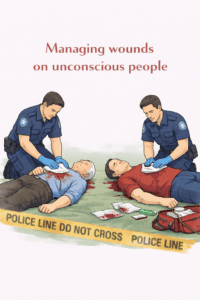 In serious situations, a person may show:
-
Unresponsiveness
-
No normal breathing or only gasping
-
Lack of movement
-
Visible signs of injury
Recognizing these signs allows responders to take appropriate action.
Causes and Risk Factors
Critical medical emergencies may result from:
-
Severe trauma
-
Environmental or situational hazards
-
Underlying health conditions
-
Unexpected incidents
These situations often require rapid assessment and response.
First Aid Response: Prioritizing Safety
In high-risk situations:
-
Ensure the scene is safe before approaching
-
Call 911 immediately
-
Check responsiveness and breathing
-
Provide first aid only when it is safe to do so
-
Wait for trained emergency responders
Personal safety is always the first priority before assisting others.
Prevention and Community Considerations
While not all incidents can be prevented, communities in Winnipeg and across Manitoba can improve preparedness by:
-
Promoting first aid and CPR training
-
Increasing awareness of emergency response steps
-
Supporting safe environments
-
Encouraging communication and reporting of hazards
Prepared individuals can help support safer communities.
Frequently Asked Questions
Should bystanders always provide first aid in serious situations?
Only if it is safe to do so. Personal safety should always come first.
What is the first step in an emergency?
Call emergency services and assess the situation safely.
Can CPR be used in all emergencies?
CPR is used when a person is not breathing normally and is unresponsive.
Why is scene safety important?
Unsafe environments can pose risks to both the victim and the responder.
How can people prepare for emergencies?
By learning first aid, staying aware of surroundings, and understanding basic response steps.
Educational Note
This article is for general awareness and education. First aid and CPR training can help individuals respond more effectively in emergency situations.
About The Author

Mark Kascha
Certified First Aid Instructor Trainer with 30+ years of real-world experience, including lifeguarding, workplace emergency response, and first aid program development across Canada. Has worked with WorkSafeBC, WSIB, and Manitoba Health.
👉 [View full credentials]🔗 View LinkedIn Profile
Last reviewed: March 2026