Understanding Bleeding Injuries
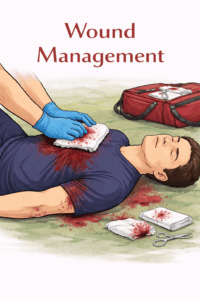 Bleeding injuries can occur in a variety of situations and may range from minor cuts to more serious wounds. Quick first aid response can help control bleeding and support the injured person until emergency services arrive.
In Canada, including Winnipeg and across Manitoba, understanding how to respond to bleeding is an important part of first aid training for both the public and workplace environments.
First Aid & Workplace Relevance in Canada
Workplaces in Winnipeg and surrounding communities—especially those involving physical labour, public interaction, or transportation—may encounter injury-related emergencies. First aid training helps employees respond quickly and safely while waiting for paramedics.
Preparedness in these environments supports safer outcomes and reduces response time during incidents.
A Realistic Scenario: Emergency Response After an Incident
During a late-night drive in a residential area, two individuals sustained injuries after an unexpected incident involving a passing vehicle. Despite the situation, both remained conscious and were able to receive help quickly.
Emergency services were contacted, and first responders provided care at the scene. The individuals were transported for further evaluation, and the situation highlighted how rapid response and first aid awareness can support recovery.
Recognizing Signs of Bleeding Injuries
A person with a bleeding injury may show:
-
Visible bleeding from a wound
-
Pain or discomfort
-
Swelling or bruising
-
Dizziness or weakness in more serious cases
Recognizing these signs early allows for quicker first aid intervention.
Causes and Risk Factors
Bleeding injuries may result from:
-
Sharp objects or trauma
-
Road-related incidents
-
Workplace accidents
-
Unexpected environmental hazards
These situations can occur in both public and private settings.
First Aid Response: Controlling Bleeding
If someone has a bleeding injury:
-
Ensure the scene is safe before helping
-
Call 911 if the injury appears serious
-
Apply firm, direct pressure to the wound using a clean cloth or bandage
-
Keep the person as still and comfortable as possible
-
Continue pressure until help arrives or bleeding is controlled
Avoid removing objects embedded in a wound and wait for trained responders.
Prevention and Workplace Considerations
Reducing the risk of injury in Winnipeg and across Manitoba may include:
-
Following workplace safety procedures
-
Using protective equipment when required
-
Staying aware of surroundings
-
Promoting first aid training for staff
-
Encouraging safe practices during daily activities
Prepared individuals can help support safer communities.
Frequently Asked Questions
What is the first step when someone is bleeding?
Ensure safety and apply direct pressure to the wound.
When should you call 911 for bleeding?
If the bleeding is heavy, does not stop, or the person shows signs of distress.
Can anyone provide first aid for bleeding?
Yes, basic steps can be performed by bystanders while waiting for help.
Should you remove objects from a wound?
No, leave embedded objects in place and wait for medical professionals.
Why is first aid training important?
It helps individuals respond quickly and confidently in emergencies.
Educational Note
This article is for general awareness and education. First aid training can help individuals respond more effectively to injuries and emergencies.
About The Author

Mark Kascha
Certified First Aid Instructor Trainer with 30+ years of real-world experience, including lifeguarding, workplace emergency response, and first aid program development across Canada. Has worked with WorkSafeBC, WSIB, and Manitoba Health.
👉 [View full credentials]🔗 View LinkedIn Profile
Last reviewed: March 2026