Understanding Surfing Accidents and Emergency Response
Water-related emergencies, including surfing accidents, can quickly become life-threatening due to drowning, trauma, or sudden medical distress. Knowing what to do if someone is unresponsive in the water and how to respond when breathing stops is critical. In Canada, CPR and first aid training emphasize quick recognition and immediate action.
First Aid & Workplace Relevance in Winnipeg, Manitoba
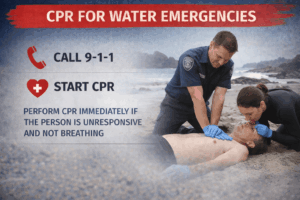 Even though this incident occurred on the coast, water-related emergencies are still relevant across Winnipeg, Manitoba, where lakes, rivers, and recreational water activities are common. Areas like The Forks, St. Vital Park, and Transcona often involve water exposure during warmer months.
CPR training in Winnipeg and first aid certification are important for:
-
Lifeguards and recreation staff
-
Camp counselors and outdoor workers
-
Parents and caregivers
-
Anyone participating in water activities
These skills are commonly taught in first aid certification programs in Manitoba and are essential for responding to drowning or unresponsive individuals.
Scenario: Surfing Incident Near Lovekin Rock in Tofino
A tragic surfing accident occurred near Lovekin Rock in Tofino, British Columbia, involving a 27-year-old man.
According to Cpl. Patrick Jenkins of the Tofino RCMP, emergency responders were called to the scene following reports of a serious incident in the water. While the exact cause of the emergency has not been confirmed, the man was found unresponsive after the surfing accident.
An area resident, John de Vries, described arriving at the beach with his son and noticing a group of people gathered near the shoreline. At first, he believed it was a group of beginner surfers, but quickly realized that bystanders were actively performing CPR on an individual.
Paramedics responded and took over emergency care efforts. Despite attempts to revive the man, he was pronounced deceased. Authorities have not released his name, and the investigation into the incident remains ongoing.
This situation highlights how quickly conditions in the water can change and the importance of immediate response by those nearby.
Symptoms and Warning Signs of Water Emergencies
In water-related incidents, warning signs may include:
-
Unresponsiveness or unconsciousness
-
Absence of normal breathing
-
Gasping or irregular breathing
-
Cyanosis (bluish lips or skin tone)
-
Weak or absent pulse
Recognizing these signs quickly is essential for timely intervention.
Causes and Risk Factors
Surfing and water-related emergencies can be associated with:
-
Strong currents or waves
-
Cold water exposure
-
Fatigue or inexperience
-
Sudden medical events in the water
Even experienced individuals can be affected by changing water conditions.
First Aid Response: CPR and Immediate Action
In Canada, first aid training emphasizes rapid response in water emergencies:
-
Ensure your own safety before entering the water
-
Call 911 immediately
-
Remove the person from the water if it is safe to do so
If the person is unresponsive and not breathing:
-
Begin CPR as soon as possible
-
Continue until emergency services arrive or the person shows signs of recovery
These steps are commonly taught in certified CPR courses in Canada and can significantly improve survival outcomes.
Prevention and Workplace Safety Considerations
Water safety awareness is key across Canada, including in Winnipeg:
-
Swim in supervised or designated areas
-
Be aware of weather and water conditions
-
Avoid going into the water alone
-
Ensure proper training for staff at recreational or water-based workplaces
Preparedness and awareness can reduce the risk of serious incidents.
Frequently Asked Questions
What should you do if someone is pulled from the water and not breathing?
Call emergency services immediately and begin CPR if trained. Early CPR can help maintain circulation and oxygen flow until paramedics arrive.
Can CPR save someone after a water accident?
CPR can significantly increase the chances of survival if started quickly. It is a key skill taught in CPR training programs across Canada.
Is it safe to enter the water to help someone?
Only enter the water if it is safe and you are capable. Unsafe rescues can put additional people at risk. Use available flotation devices when possible.
Who should take CPR training in Winnipeg?
Anyone can benefit, especially those involved in water activities, childcare, or public-facing roles. Many workplaces in Manitoba encourage certification.
How can water-related accidents be prevented?
Understanding water conditions, using proper safety equipment, and staying within skill limits can help reduce risk during recreational activities.
Educational Note
This article is for general awareness and reflects commonly taught first aid and CPR practices in Canada. Training helps individuals respond more confidently in emergency situations.
About The Author

Mark Kascha
Certified First Aid Instructor Trainer with 30+ years of real-world experience, including lifeguarding, workplace emergency response, and first aid program development across Canada. Has worked with WorkSafeBC, WSIB, and Manitoba Health.
👉 [View full credentials]🔗 View LinkedIn Profile
Last reviewed: March 2026