Understanding Skiing Injuries and Emergency Response
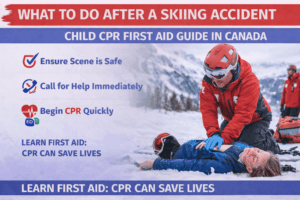 Skiing accidents can lead to serious injuries, especially when high speeds or obstacles like trees are involved. Knowing what to do if a child is unresponsive after a fall and how to respond in a mountain emergency is critical. In Canada, first aid training emphasizes rapid response, airway support, and CPR when needed.
First Aid & Workplace Relevance in Winnipeg, Manitoba
Although this incident occurred in Alberta, winter sports and outdoor recreation are common across Winnipeg, Manitoba, especially in areas like St. Vital, Transcona, and surrounding parks and ski areas.
CPR training in Winnipeg and first aid certification are important for:
-
Parents and caregivers
-
Coaches and instructors
-
School staff and youth program leaders
-
Outdoor recreation workers
These skills are widely taught in first aid certification programs in Manitoba and are especially important when supervising children.
Scenario: Young Skier Injured at Nakiska Resort
A serious skiing incident occurred at Nakiska Ski Resort involving a 9-year-old girl who was part of a ski racing program.
The group was out for a training day on the mountain when the incident took place. At some point during the outing, the girl was found unconscious and unresponsive on the slope. It is believed she may have collided with a tree, although the exact details remain unclear.
Other skiers in the area quickly noticed the situation and alerted ski patrol. Responders arrived promptly and began emergency care, including CPR, before carefully transporting her off the hill to an on-site medical facility.
Reports indicated that she had been wearing a helmet, but it may have come off during the impact, potentially contributing to the severity of her injuries.
Paramedics from Kananaskis met ski patrol at the base of the hill, and an air ambulance (STARS) was called to assist. The girl received advanced care at the scene and was transported in critical condition to Alberta Children’s Hospital.
This incident highlights how quickly conditions can change on the slopes and the importance of immediate response.
Symptoms and Warning Signs After a Skiing Accident
After a collision or fall, especially involving a child, signs may include:
-
Unresponsiveness or unconsciousness
-
Difficulty breathing or no breathing
-
Head injury or confusion
-
Visible injuries or inability to move
-
Signs of shock (pale skin, rapid pulse)
Immediate recognition is critical for proper response.
Causes and Risk Factors
Skiing accidents may be associated with:
-
Collisions with trees or obstacles
-
High speeds or loss of control
-
Equipment issues or improper fit
-
Environmental conditions such as icy or uneven terrain
Children may be at higher risk due to developing coordination and experience levels.
First Aid Response: CPR and Emergency Action
In Canada, first aid training emphasizes:
-
Ensure the area is safe
-
Call for ski patrol or 911 immediately
-
Avoid moving the injured person unless necessary
If the child is unresponsive and not breathing:
-
Begin CPR immediately
-
Continue until trained responders take over
These steps are based on standard first aid training practices in Canada and are commonly taught in certified CPR courses.
Prevention and Workplace Safety Considerations
Safety on the slopes is essential:
-
Ensure helmets are properly fitted and secured
-
Supervise children during activities
-
Follow resort safety guidelines
-
Participate in emergency response training in Canada
In Winnipeg and across Manitoba, winter safety education helps reduce injury risks.
Frequently Asked Questions
What should you do if a child is injured while skiing?
Call for help immediately, ensure the area is safe, and assess breathing. Avoid moving the child if a serious injury is suspected.
Can CPR be performed on children?
Yes, CPR techniques are adapted for children and are commonly taught in certified first aid courses in Canada.
Why are helmets important in skiing?
Helmets help reduce the risk of head injury, but they must fit properly to be effective.
Who should take CPR training in Winnipeg?
Parents, teachers, and coaches can benefit greatly. Many workplaces and schools in Manitoba encourage certification.
How can skiing accidents be prevented?
Proper equipment, supervision, and staying within skill level can help reduce risks.
Educational Note
This content is for general awareness and reflects commonly taught CPR and first aid practices in Canada. Training helps individuals respond confidently and safely during emergencies.
About The Author

Mark Kascha
Certified First Aid Instructor Trainer with 30+ years of real-world experience, including lifeguarding, workplace emergency response, and first aid program development across Canada. Has worked with WorkSafeBC, WSIB, and Manitoba Health.
👉 [View full credentials]🔗 View LinkedIn Profile
Last reviewed: March 2026