Understanding Cardiac Arrest and CPR
Cardiac arrest is a life-threatening emergency where the heart suddenly stops beating effectively, preventing blood from circulating to the brain and vital organs. Knowing what to do if someone collapses and stops breathing or how to respond when cardiac arrest occurs can make a critical difference.
In cities like Winnipeg and across Manitoba, immediate action from bystanders—especially performing CPR (cardiopulmonary resuscitation)—can significantly improve survival outcomes while waiting for emergency responders.
First Aid & Workplace Relevance in Canada
 Across Winnipeg, Manitoba, and throughout Canada, cardiac arrest can happen anywhere—at work, in public parks, schools, or even at home. This is why CPR training in Winnipeg and first aid certification in Manitoba are strongly recommended for:
-
Employees in offices, construction, and industrial workplaces
-
Teachers, coaches, and childcare providers
-
Parents and caregivers
-
Fitness enthusiasts and community members
Emergency response training, including AED training in Canada, is commonly taught in certified CPR courses and helps people feel confident stepping in during real emergencies.
Real-Life Scenario: CPR Saves a Runner in Edmonton
A powerful example of bystander action comes from Edmonton, where 57-year-old Dragomir Vujnovic—an active runner and cyclist known for raising funds for cancer research—experienced sudden cardiac arrest during a routine run.
He had left his home for a run through the scenic river valley and made his way toward Emily Murphy Park, approximately 5 kilometers from his house. Without warning, he collapsed.
Vujnovic later shared that he had no memory of the event—only leaving home and then waking up two days later at the Mazankowski Heart Institute.
What happened in between likely saved his life.
Good Samaritans nearby noticed the collapse and quickly stepped in. Recognizing the emergency, they began CPR right away while emergency services were contacted. Their fast action helped maintain blood flow until paramedics arrived.
Doctors later explained that survival rates in similar out-of-hospital cardiac arrest cases can be very low. Vujnovic credits those bystanders entirely for his survival and has since encouraged others to learn CPR so they can help in similar situations.
Symptoms and Warning Signs of Cardiac Arrest
Cardiac arrest often occurs suddenly, but some warning signs may appear before collapse:
-
Sudden loss of responsiveness
-
No breathing or abnormal breathing (gasping)
-
Collapse during physical activity
-
Chest discomfort or dizziness beforehand (in some cases)
Recognizing these signs quickly is essential for early response.
Causes and Risk Factors
Cardiac arrest can affect both active individuals and those with underlying conditions. Common contributing factors include:
-
Heart disease or electrical disturbances in the heart
-
Intense physical exertion
-
Previous heart conditions
-
Age and family history
-
Lifestyle factors such as stress or fatigue
Even healthy individuals, like endurance athletes, can experience unexpected cardiac events.
First Aid Response: What to Do
Based on standard first aid training practices in Canada, here are key steps to follow if someone collapses and is unresponsive:
-
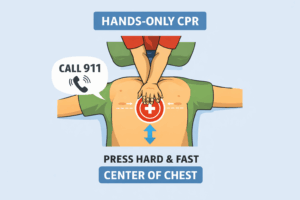
Call 911 immediately or ask someone nearby to do so
-
Begin hands-only CPR:
-
Place hands in the center of the chest
-
Push hard and fast at a steady rhythm
-
-
Continue until help arrives or an AED becomes available
-
Use an AED if accessible, following voice prompts
Hands-only CPR—without mouth-to-mouth—is commonly taught in CPR courses and can make a life-saving difference when performed promptly.
Prevention and Workplace Safety Considerations
While not all cardiac arrests can be prevented, workplaces and communities in Winnipeg and across Manitoba can improve safety by:
-
Providing first aid and CPR training for staff
-
Installing and maintaining accessible AEDs
-
Encouraging wellness and regular health check-ups
-
Promoting awareness during physical activities or events
Prepared environments help ensure quicker responses when emergencies occur.
Frequently Asked Questions
What should you do if someone suddenly collapses while running?
If someone collapses and is unresponsive, call 911 immediately and begin CPR. Check for breathing and start chest compressions if they are not breathing normally. Early action by bystanders is critical and can significantly improve survival chances.
Is hands-only CPR really effective?
Yes, hands-only CPR is widely recommended for bystanders. Continuous chest compressions help maintain blood circulation until emergency responders arrive. This method is commonly taught in CPR training programs across Canada.
Do you need formal training to perform CPR?
While formal training is highly recommended, you can still perform CPR in an emergency. CPR courses in Winnipeg and across Manitoba help build confidence and teach proper technique for real-life situations.
How common is cardiac arrest during exercise?
Cardiac arrest during exercise is rare but can occur, even in active individuals. Underlying heart conditions or extreme exertion can sometimes trigger these events, which is why awareness and preparedness are important.
Where can AEDs usually be found in public places?
AEDs are often located in high-traffic areas such as gyms, shopping centres, offices, and community centres. Many workplaces in Canada are increasingly equipping their spaces with AEDs as part of safety planning.
Educational Note
This article is intended for general awareness and reflects information commonly taught in certified first aid and CPR training across Canada. Understanding how to recognize emergencies and respond appropriately can help improve outcomes in critical situations.
About The Author

Mark Kascha
Certified First Aid Instructor Trainer with 30+ years of real-world experience, including lifeguarding, workplace emergency response, and first aid program development across Canada. Has worked with WorkSafeBC, WSIB, and Manitoba Health.
👉 [View full credentials]🔗 View LinkedIn Profile
Last reviewed: March 2026