None of them had experience working with electricity and were unaware of the danger in the water.
Hoszko later learned the true cause of the incident. When she reached Lafontaine, his face was completely blue and he had no pulse.
“I thought I was going to see him die,” she later said—but instead of freezing, she chose to act.
CPR and Quick Thinking Saved a Life
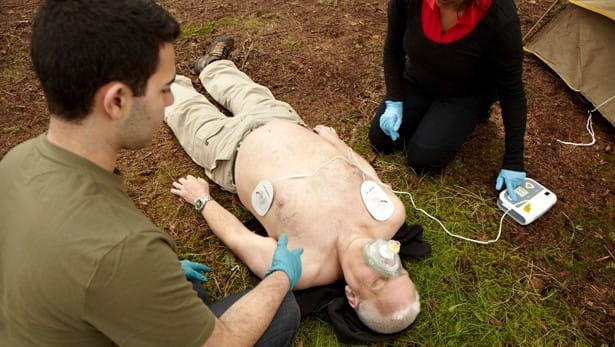
Once Lafontaine was moved to a dry and safer area, Hoszko and another bystander immediately began CPR. Their fast response helped sustain him until emergency services arrived.
Lafontaine was taken to hospital and, according to close friend Sylvain Langlois, his condition steadily improved. While he remains in a healthcare facility, doctors expect his recovery to take several months.
This incident highlights two critical first aid lessons:
-
Always check the scene for hazards before helping
-
Knowing CPR can mean the difference between life and death
Many Cardiac arrests happen outside of hospitals, and immediate CPR dramatically improves survival. Learning these skills through hands-on training—such as CPR and AED courses offered by Winnipeg First Aid—helps ensure bystanders are ready to act confidently and safely when every second counts.
Electricity and Water: A Deadly Combination
Flood conditions significantly increase the risk of electrical hazards. Water can damage power supplies, expose live wires, and turn standing water into a lethal conductor.
“Electricity and water don’t mix,” warned safety officials. If electricity escapes from damaged cords or equipment into water, the results can be fatal.
Safety recommendations include:
-
Never entering floodwater until power is confirmed off
-
Checking whether water has reached outlets, electrical panels, furnaces, or baseboard heaters
-
Inspecting cords and cables for fraying or damage
-
Contacting the utility provider before re-entering flooded buildings
-
Hiring a licensed electrician to assess electrical damage
When using pumps or electrical equipment in wet areas, experts strongly recommend using a Ground Fault Circuit Interrupter (GFCI), which can shut off power instantly to reduce the risk of serious injury or death.
A Reminder for Volunteers and Homeowners
For Hoszko, the experience reinforced an important message—not just for homeowners returning after floods, but also for volunteers helping during emergencies.
“It’s already a stressful situation,” she said. “You don’t want to make it even more stressful with people getting hurt or worse.”
This story was originally reported by CBC News. You can read the full original article here: Woman who gave Gatineau shock victim CPR calls for safety around electricity
Emergencies are unpredictable, but preparation saves lives. First aid and CPR training equip people with the skills to respond effectively while protecting their own safety.
If you want to be ready for emergencies involving electric shock, cardiac arrest, or disaster response, enrolling in CPR training is a strong first step.
Trusted CPR Resources:
About The Author

Mark Kascha
Certified First Aid Instructor Trainer with 30+ years of real-world experience, including lifeguarding, workplace emergency response, and first aid program development across Canada. Has worked with WorkSafeBC, WSIB, and Manitoba Health.
👉 [View full credentials]🔗 View LinkedIn Profile
Last reviewed: March 2026
Serving Winnipeg and south Manitoba with the cheapest priced, highest quality first aid training, CPR and food safety courses since 2012 with a commitment to providing the best classes to Canadians.