Steeves rushed to help, along with other workers, and attempted to provide first aid while emergency services were called. Despite these efforts, Carleton died the following day at Saint John Regional Hospital from severe head injuries.
Emergency Response and Safety Protocols
The inquest heard that the construction site had emergency procedures in place. In the event of an accident, workers were instructed to go to the first aid station and sound three blasts on an air horn to alert the in-house first aid team.
That step was not taken.
“I just freaked out,” Steeves told the court. “Everything went out of my mind.”
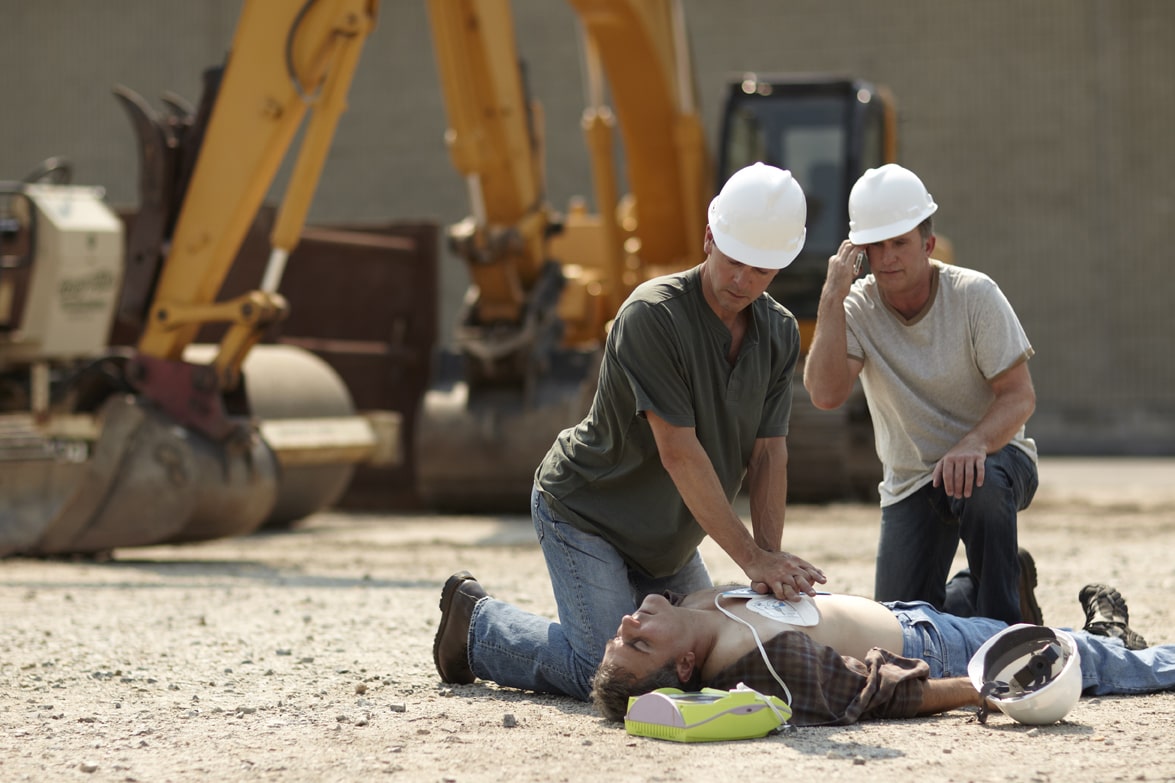
Several co-workers attempted to stabilize Carleton while waiting for paramedics. His foreman, Brian Lent, placed his sweater under Carleton’s head to reduce bleeding as he suffered seizures. Others called 911.
Paramedics and Medical Findings
Paramedics arrived within minutes, despite some initial confusion about the site’s address. Responding paramedic Jeremy Marsh described significant trauma, including bleeding from Carleton’s nose and ears and a deep laceration to his forehead.
Carleton showed signs of severe brain injury, alternating between seizures and involuntary posturing. Paramedics spent 35 minutes on scene stabilizing him before transporting him to hospital. His condition continued to deteriorate, and he was taken off life support the next day.
Changes Made After the Tragedy
Following Carleton’s death, the site foreman ordered the use of scissor lifts and elevating platforms instead of ladders for insulation work whenever possible. Although more expensive, these platforms provide greater stability and reduce fall risks.
“I don’t want anyone to fall and get hurt,” Lent said.
Fall Protection Training and Its Limits
Carl Seeley, health and safety coordinator for FCC Construction, testified that workers were required to complete fall-arrest training. Carleton had completed this training just months before the incident and was wearing required safety gear, including a hard hat.
However, the inquest highlighted a key limitation: hard hats are designed to protect against falling objects—not high-impact falls. Workers were not required to wear chin straps that could help keep helmets in place during a fall.
Why This Inquest Matters
Presided over by New Brunswick Chief Coroner Gregory Forestell, the inquest is hearing testimony from multiple witnesses. A five-member jury will make recommendations aimed at preventing similar deaths in the future.
This case serves as a powerful reminder that workplace safety depends not only on training and equipment, but also on effective emergency response when incidents occur.
The Importance of First Aid and CPR Training
In high-stress situations, even experienced workers can freeze or forget procedures. Proper first aid and CPR training helps individuals stay calm, act quickly, and provide effective care until professional help arrives.
Employers and workers can benefit from enrolling in first aid and CPR courses in Winnipeg, which focus on real-world emergencies, workplace response, and life-saving skills.
Original Source
This post is based on testimony and reporting from CBC. You can read the full original article here: ‘I tried to help him’: Coroner’s inquest probes worker’s fatal fall
Learn More About First Aid, CPR, and Workplace Safety
Understanding how to respond during emergencies can help reduce panic and improve outcomes when serious accidents occur. Learning proper first aid and CPR techniques prepares workers to act confidently while waiting for professional help to arrive.
For additional guidance and reliable information, explore these trusted resources:
Proper training, combined with clear emergency procedures and safe equipment, plays a critical role in preventing tragedies and improving workplace safety.